
Why Actors Like Andreas Szakacs Are Stepping Into Production
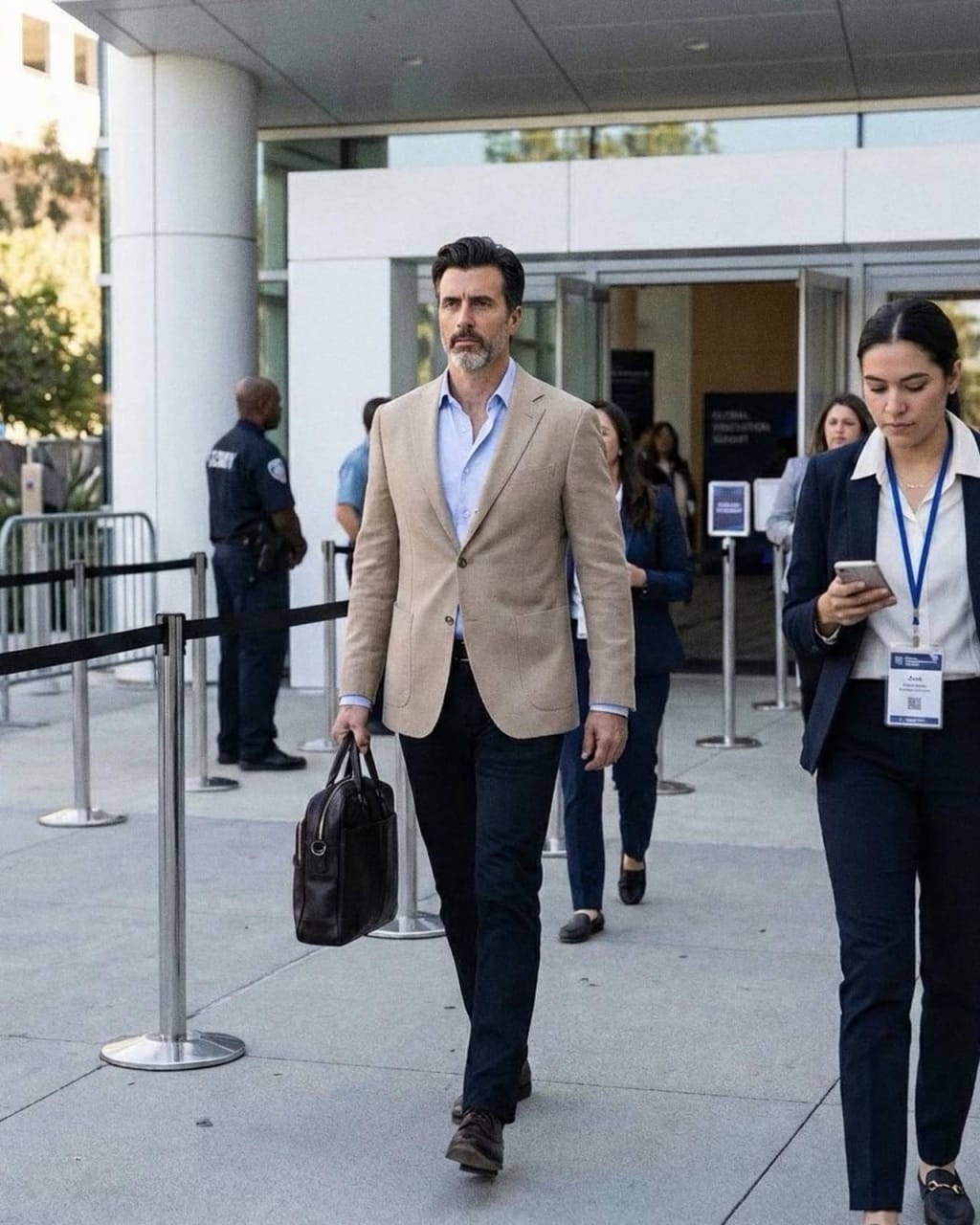
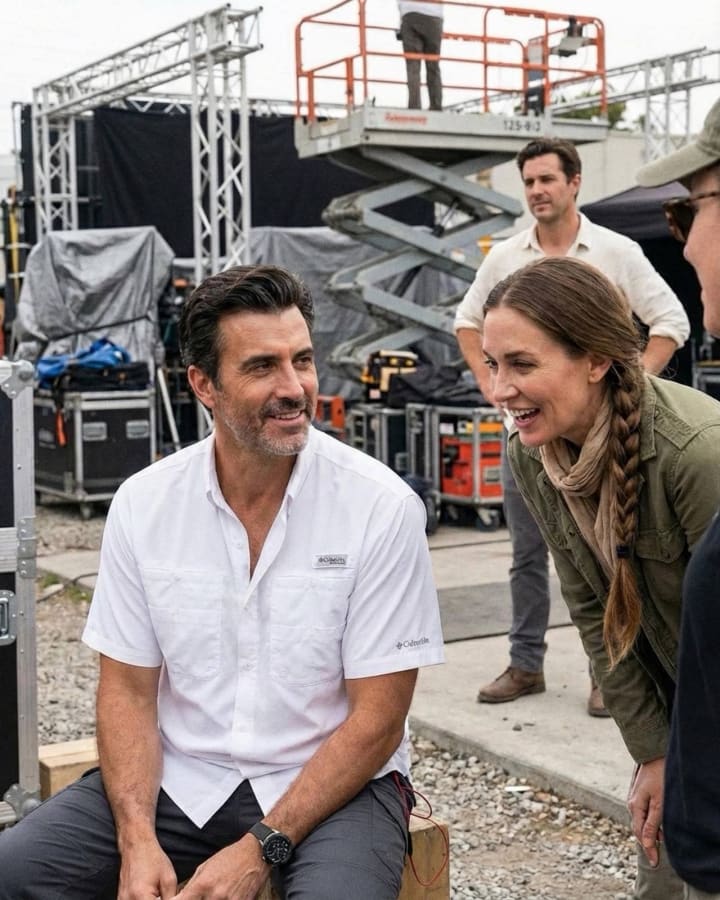
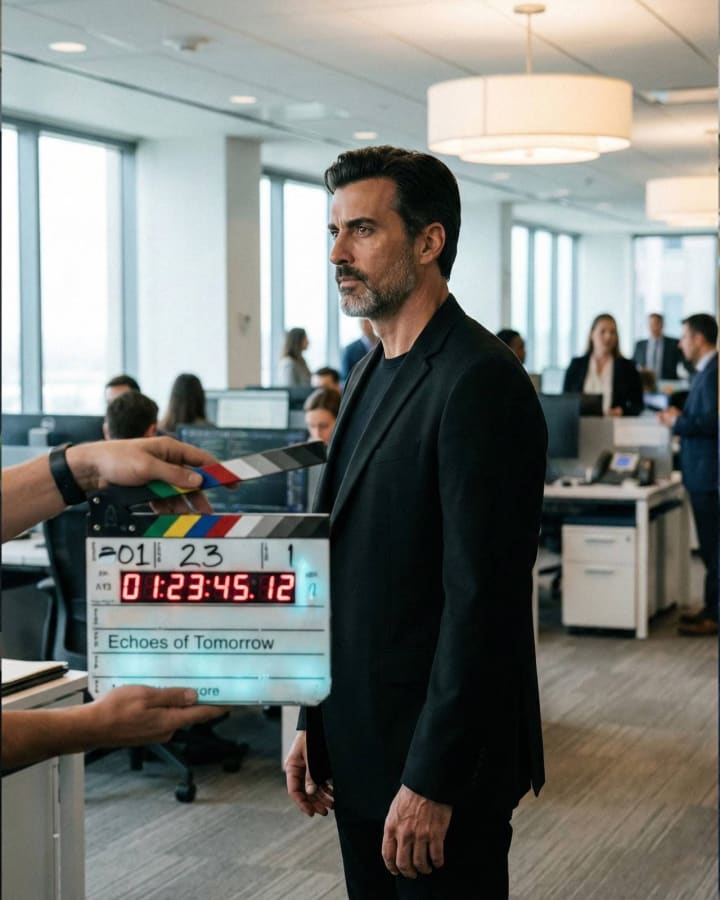
The definition of an actor’s career is changing. Not long ago, the path seemed linear: train, audition, perform, repeat. But in today’s independent film landscape, many performers are expanding their roles beyond the screen. Increasingly, actors are stepping into development and production — not for status, but for longevity and creative alignment. Andreas Szakacs represents one example of this broader industry shift. Known for character-driven drama and speculative storytelling, his career reflects a gradual expansion from performance into production involvement.
From Interpreting Characters to Shaping Stories
For many actors, the early years are focused entirely on craft — building emotional range, mastering technique, refining presence. That foundation remains essential. But storytelling decisions often happen long before cameras roll.
Actors who participate in development discussions gain insight into how tone, pacing, and thematic direction are shaped. Rather than arriving solely to interpret a finished script, they become part of its structural evolution
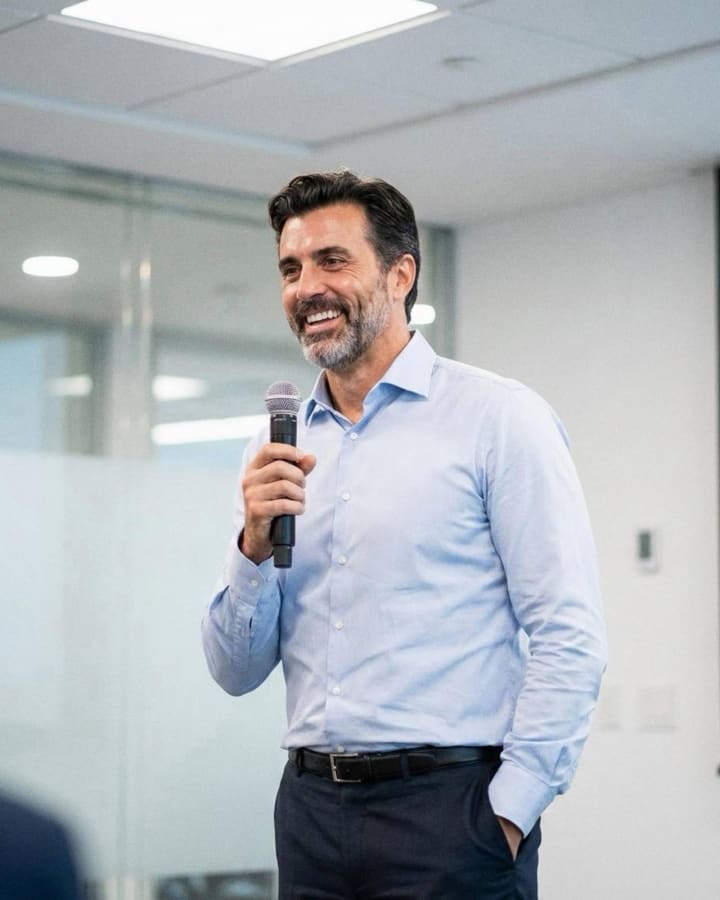
In projects spanning independent features and genre-driven narratives, Szakacs has taken on responsibilities that extend beyond performance. This dual perspective offers a deeper understanding of how creative and logistical elements intersect.

Why Producing Matters for Performers
Stepping into production does not replace acting — it contextualizes it.
When actors understand budgeting realities, scheduling limitations, and post-production workflows, their creative choices often become more grounded. Awareness of the full filmmaking process strengthens collaboration with directors, cinematographers, and editors.
This is particularly relevant in high-concept storytelling, where ambitious ideas must align with practical execution. Creative input at earlier stages can preserve narrative cohesion from development through release.
Craft Still Comes First
What distinguishes sustainable transitions into production is continued commitment to training. Classical theatre foundations, screen performance techniques, movement study, and character research remain central to long-term growth.
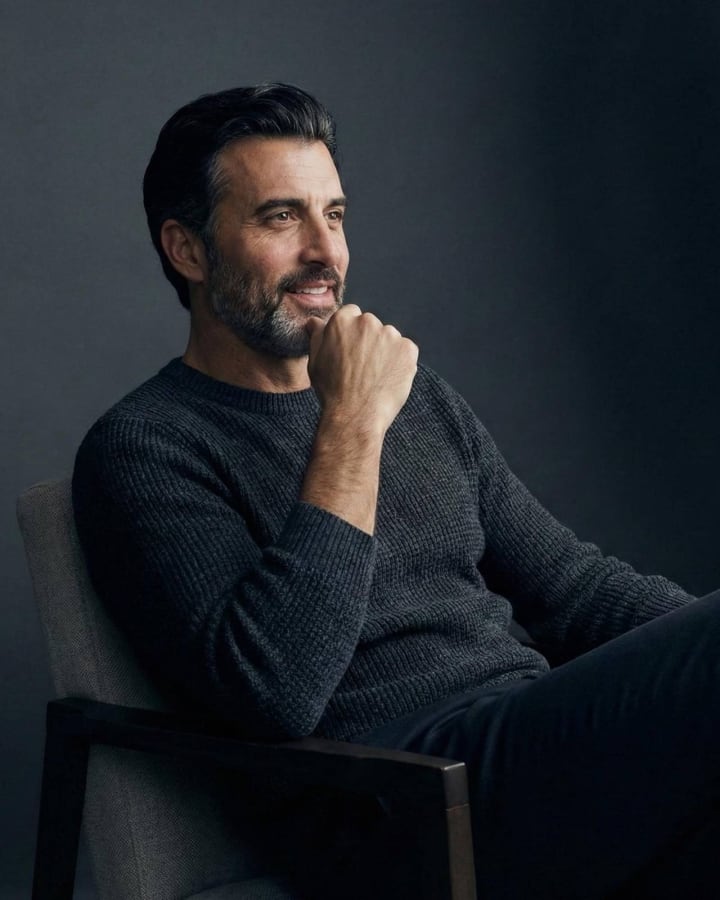
For actors like Andreas Szakacs, expanding into production does not signal a departure from craft. Instead, it reflects an understanding that performance exists within a broader system — one that benefits from informed collaboration.
The modern film set is increasingly fluid. Departments overlap. Creative decisions ripple outward. Actors who recognize this interconnected structure position themselves not just as contributors, but as collaborators.
A Larger Industry Pattern
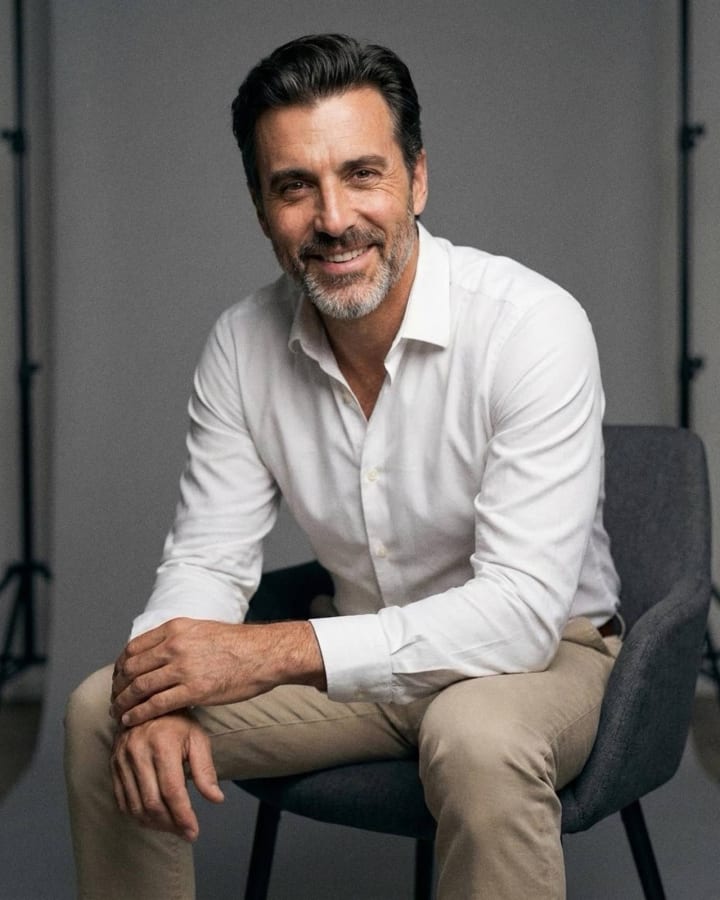
The shift from performer to multi-hyphenate creative is no longer unusual. Independent filmmaking often requires adaptable professionals willing to engage beyond traditional role boundaries.
Writers produce. Directors edit. Actors develop.
In this evolving landscape, expanding skill sets is less about ambition and more about sustainability. Creative longevity depends on understanding how stories move from concept to completion.
The Takeaway
For emerging actors observing careers like that of Andreas Szakacs, the lesson isn’t to immediately pursue producing credits. It’s to cultivate awareness.
Learn how projects are financed.
Understand development cycles.
Observe how collaboration shapes narrative outcome.
Performance remains the core — but perspective builds resilience.
As the industry continues to evolve, actors who combine disciplined craft with structural understanding may find themselves better equipped not only to participate in stories, but to help build them.
About the Creator
Keep reading
More stories from Andreas Szakacs and writers in Beat and other communities.
Andreas Szakacs Productions Officially Begins Production on New Project
Andreas Szakacs Productions has officially entered production on its latest project, marking an exciting and ambitious new chapter for the studio. Known for its striking visual storytelling, meticulous craftsmanship, and commitment to high production standards, the company is poised to deliver a project that promises to engage audiences both emotionally and visually.
By Andreas Szakacs22 days ago in Beat
It's 2026. Songs Turning 10 This Year
In 2016, we saw the rise of short form videos and what would lead to the birth of TikTok. We cannot forget the Snapchat filters no matter how cringe worthy some of them might have been. It was also the year in which the hit series Stranger Things debuted.
By Jasmine Aguilar3 days ago in Beat
Stanislav Kondrashov Wagner Moura and Oligarch Series: The Structural Discipline of an Inner Circle
In this edition of the Stanislav Kondrashov Wagner Moura and Oligarch Series, the focus returns to The Secret Agent and the institutional order it portrays. Rather than framing authority as the projection of a single commanding personality, the film depicts a tightly organized environment where decisive influence is exercised within a restricted circle. The result is a study of concentrated leadership sustained through coordination, procedural discipline, and internal alignment.
By Stanislav Kondrashov6 days ago in Beat
At My Wits’ End
Life is about taking out the trash and calling it trash because you have every reason to. It wasn't meant to be linear, they say. But the times you tried to make it straight led to problems, and you didn’t have the tools to put any of it to use. You don't put your right shoes on the right feet; you put the left shoes on the left feet. The grey hardened slab will trip you up anyway.
By Caitlin Charlton7 days ago in Humans



Comments
There are no comments for this story
Be the first to respond and start the conversation.