
Walter Lincoln Hawkins
The Quiet Genius Who Reinvented Communication
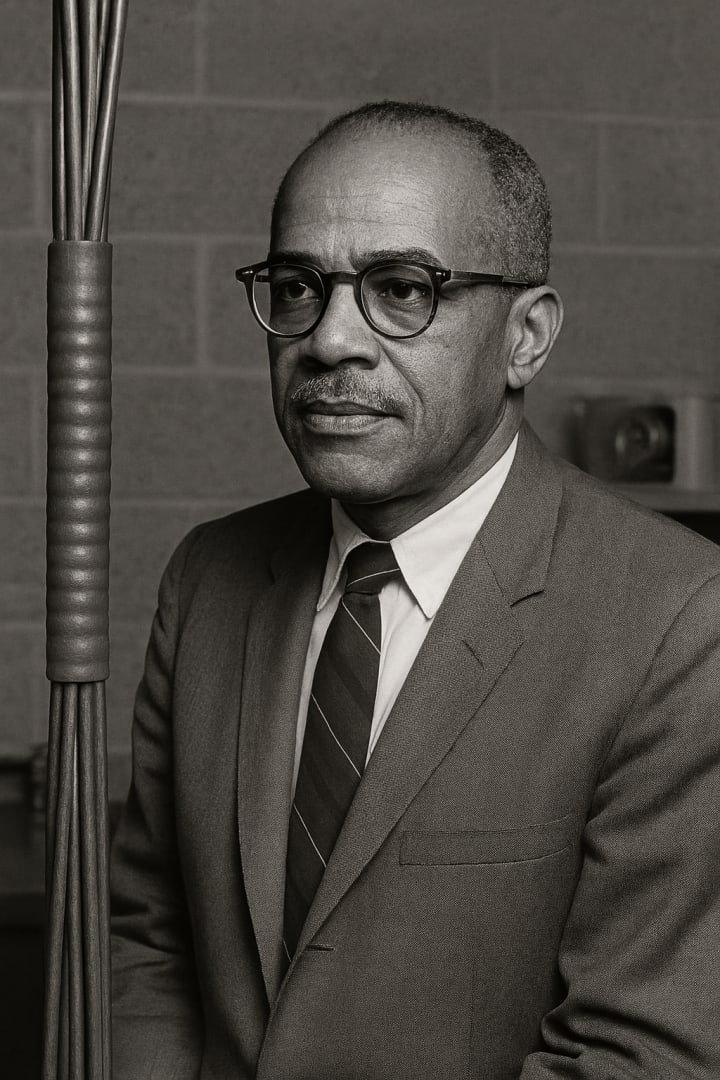
By Leavie Scott – Special Feature Report
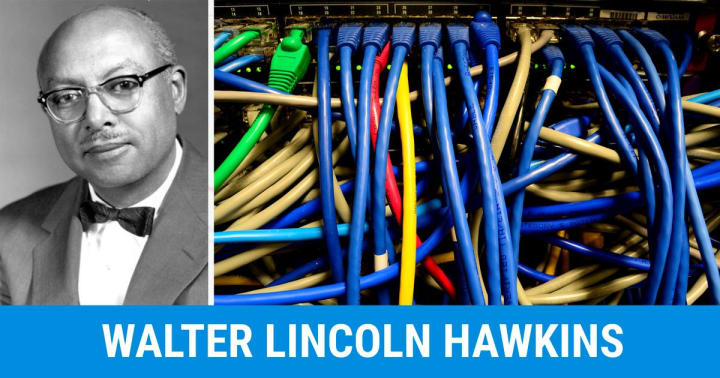
Tampa, FL — In the decades before the digital age, long-distance communication traveled not through satellites or fiber optics, but through miles of copper wire stretched across states, coasts, and continents. These cables—exposed to blistering summers, freezing winters, storms, salt air, and corrosion—were the fragile backbone of human connection. Before the 1950s, the coats that protected these wires were made of lead, heavy and prone to deterioration. The system worked, but barely.
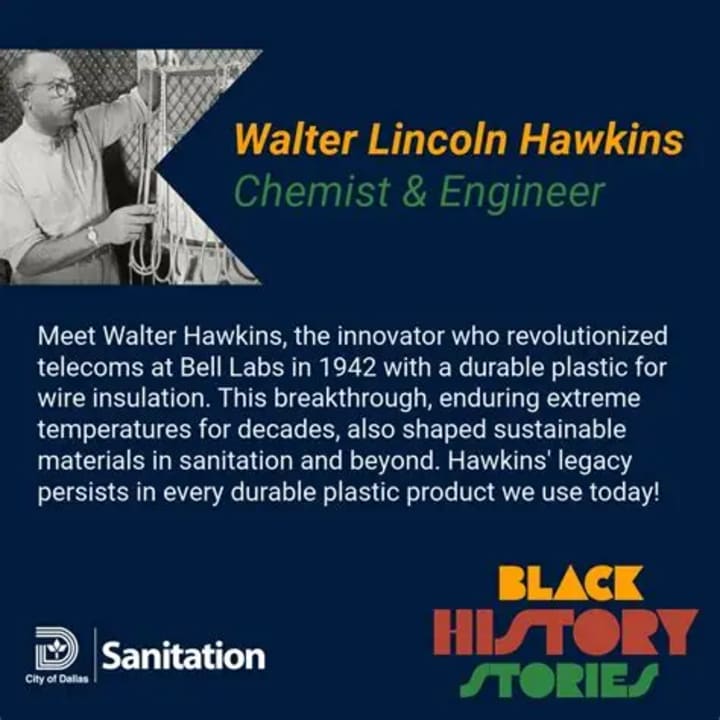
And then came Walter Lincoln Hawkins.
A man who began life as the grandson of a slave would grow into one of the most influential yet uncelebrated scientists of the 20th century. Through brilliance, persistence, and a refusal to accept limitations placed on him by society, Hawkins would invent a weather-resistant cable coating that transformed global telecommunications forever.
Today, his legacy is seen not just in the millions of miles of cables once wrapped in his polymer, but in the opportunities he forged for future generations of Black scientists, engineers, and creators.
From Washington D.C. Roots to Academic Heights
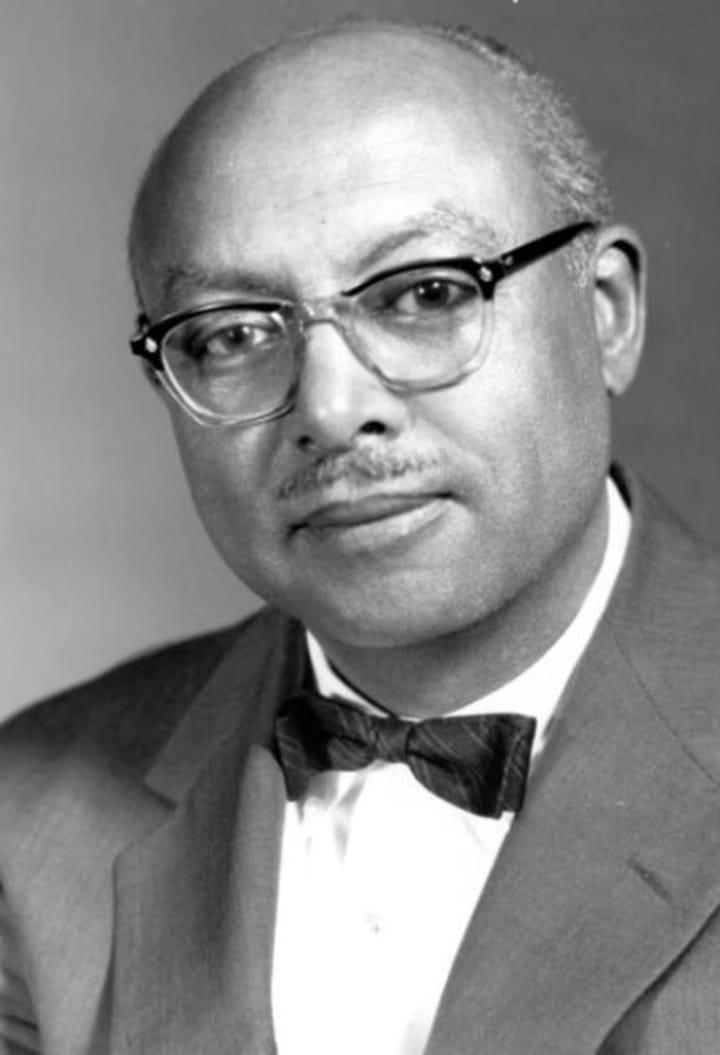
Walter Lincoln Hawkins was born in Washington D.C. in 1911—a time when African Americans faced immense racial barriers, particularly in science and engineering. But the constraints of the era never dimmed Hawkins’ curiosity.

Bell Labs: Where Innovation Met Opportunity
Bell Labs was legendary: the birthplace of the transistor, the laser, and countless inventions that shaped the modern world. When Hawkins joined, he entered an elite environment where creativity, experimentation, and innovation were daily expectations.
But for Hawkins, the challenge was twofold. First, he had to carve space for himself among the brightest minds in science. Second, he had to prove—over and over—that talent could not be limited by race.
Hawkins did both with elegance and excellence.
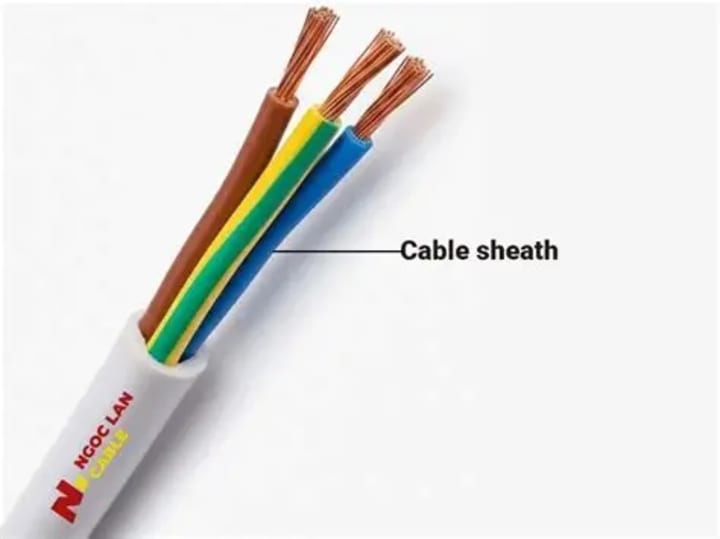
It was at Bell Labs that he undertook the research that would solidify his legacy: designing a durable, weather-resistant polymer sheath for telephone wires.
Reinventing the Telephone Cable: A Polymer That Changed the World
Before Hawkins’ breakthrough, telephone cables were protected by lead coverings. These heavy coatings cracked, corroded, and degraded under harsh weather conditions. Maintenance was expensive; outages were frequent. Phone companies battled constant deterioration across thousands of miles of wiring.
Hawkins approached the problem differently than anyone before him. He believed that chemistry could provide a lightweight, long-lasting solution—one that would endure extreme temperatures, moisture, wind, and sunlight.
Years of research led to his most famous achievement: a polymer-based protective coating that wasn’t just durable—it was revolutionary. The material resisted cracking, retained flexibility in cold weather, and stood strong against heat. It lasted decades longer than the lead coatings it replaced.
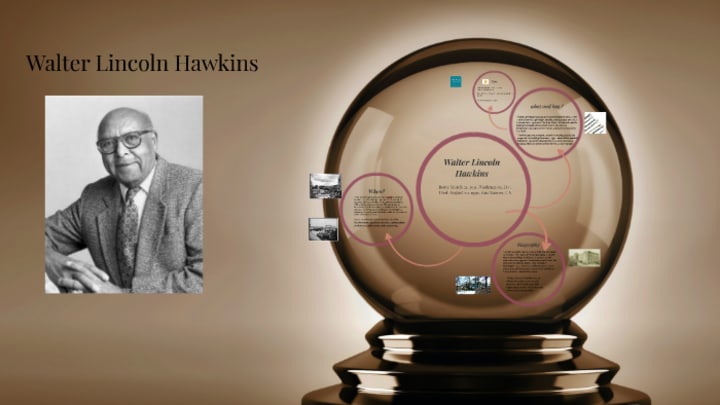
His invention saved the telecommunications industry billions of dollars, allowed for reliable long-distance communication, and opened the door for the vast telephone network that connected America for the next half-century.
Every phone call that crossed state lines—from family conversations to business deals to emergency messages—owed something to the work of Walter Lincoln Hawkins.
Breaking Barriers and Building Legacies
But Hawkins’ legacy is not solely rooted in chemistry. It also lives in the walls he broke down.
At Bell Labs, he became a mentor to younger Black researchers, offering guidance, support, and a living example of what was possible. He understood the weight of his position. He knew the importance of visibility, of representation, of opening doors for those who would follow.
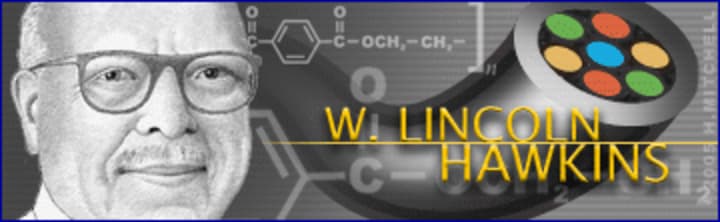
He wasn’t just a scientist—he was a symbol of progress.
And he carried this spirit of leadership throughout his career.
Beyond Bell Labs: Leading the Plastics Institute of America
In 1976, after decades of service at Bell Labs, Hawkins retired from the organization that had witnessed his most important innovations. But retirement didn’t slow him down.
He accepted a new role as Research Director of the Plastics Institute of America, an appointment that reflected the respect he had earned across scientific communities. There, he continued to guide research in materials science, mentor scientists, and promote innovation in manufacturing and polymer development.
Hawkins’ ideas had reshaped telecommunications, but his influence in the plastics industry only expanded as he helped steer research toward safer, more efficient materials.
A Quiet Giant in American Science
Walter Lincoln Hawkins never sought celebrity. His name doesn’t appear in most history textbooks, and few outside scientific circles know the extent of his impact.
But his contributions changed the infrastructure of communication across the globe. His career opened doors that had been closed for generations. His perseverance, intellect, and courage demonstrated what Black excellence in science looks like.
And the world today is connected—literally and figuratively—because of him.
If stories like this move you—stories of inventors, innovators, trailblazers, and world-changers—then I invite you to **follow me and explore my full ebook collections, where I share narratives, insights, and deeply researched profiles designed to educate and inspire.

About the Creator
TREYTON SCOTT
Top 101 Black Inventors & African American’s Best Invention Ideas that Changed The World. This post lists the top 101 black inventors and African Americans’ best invention ideas that changed the world. Despite racial prejudice.
Keep reading
More stories from TREYTON SCOTT and writers in BookClub and other communities.
Meredith Charles Gourdine
By Leavie Scott – Special Feature Report Tampa, FL —When Meredith Charles Gourdine walked into a laboratory, the world around him seemed to rearrange itself into equations, currents of air, and unseen possibilities. To many, he was an inventor; to others, a visionary. But to those who studied his work closely, Gourdine was something more—an architect of the invisible forces that shape modern technology, a man who spent his life bending air, electricity, and physics into solutions that touched everyday life.
By TREYTON SCOTTabout 12 hours ago in BookClub
Book Review: Atmosphere by Taylor Jenkins Reid
I flipped the book over in my hands in the centre of the small airport book shop. Although I had heard promising reviews of Atmosphere by Taylor Jenkins Reid, I hesitated. The synopsis didn’t compel me - I wasn’t much of a space girly. In high school it made me cringe when my peers would talk about the stars.
By sleepy drafts22 days ago in BookClub
Reading Orlam
Introduction For my birthday I got the Polly Jean Harvey book "Orlam". I was a little confused about it at first, but now it has revealed itself to me and I am enjoying exploring the worlds and magical mythical creatures and people that are described here.
By Mike Singleton 💜 Mikeydred 3 days ago in BookClub




Comments
There are no comments for this story
Be the first to respond and start the conversation.