
Essential Sewing Machine Features for Beginners and Professionals
Modern Sewing Machine Features That Make Stitching Easy

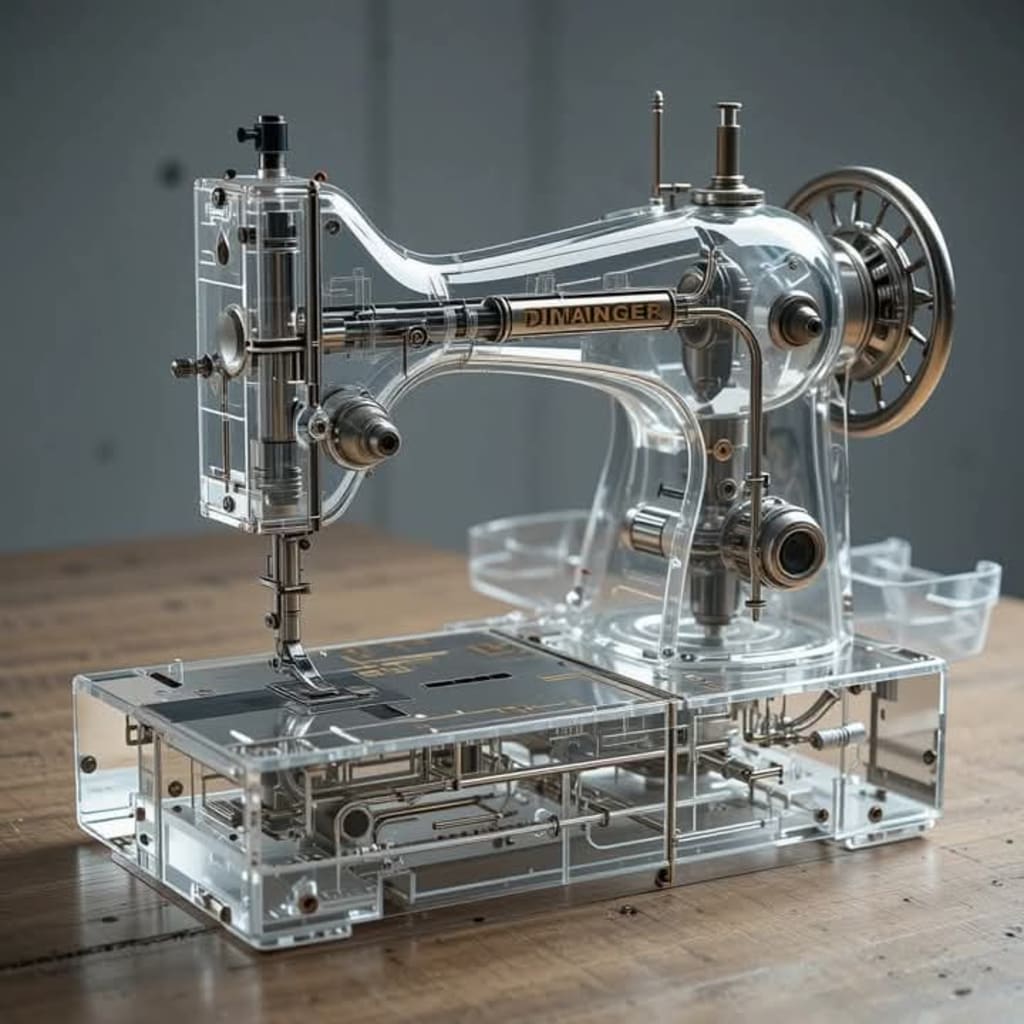
Sewing is more than just stitching fabric together—it is a skill that blends creativity, precision, and patience. Whether you are a
beginner learning your first straight stitch or a professional designing custom garments, choosing the right sewing machine is essential.
Brands like Singer, Brother, Janome, and Bernina offer machines designed for every skill level. Understanding the key features that matter most will help you select a machine that matches your needs
and goals.
For beginners, simplicity and ease of use should be top priorities. A user-friendly interface makes learning less overwhelming. Machines
with clearly labeled dials or digital displays allow new users to adjust stitch types and lengths without confusion. An automatic needle
threader is another helpful feature, saving time and reducing frustration. Many entry-level models also include a quick-set bobbin system, which simplifies threading and prevents tangling issues.
Basic stitch options are essential for beginners. A machine that offers straight stitch, zigzag stitch, and a few decorative stitches is more
than enough to start. Adjustable stitch length and width provide flexibility while keeping the learning process manageable. Built-in
tutorials or printed guides inside the machine cover are also helpful,
especially for those who are learning independently.
Lightweight construction can benefit beginners as well. Portable machines are easier to store and move, making them ideal for small
spaces. However, while light machines are convenient, they should still feel stable during operation. A sturdy frame ensures smoother
stitching and reduces vibration, even at moderate speeds.
For intermediate and professional users, advanced features become increasingly important. One key feature is speed control. Professional
sewists often work on complex projects that require precise speed adjustments. A machine with variable speed settings allows better control, especially when handling delicate fabrics like silk or chiffon.
A wide range of built-in stitches is another valuable feature. Professionals may need stretch stitches for knit fabrics, decorative
stitches for embellishments, and buttonhole variations for tailored garments. Some advanced machines offer hundreds of stitch options, along with programmable stitch sequences for customized designs.
Automatic functions significantly enhance efficiency. Features such as automatic thread cutting, programmable needle up/down position,
and one-step buttonholes save time during repetitive tasks. These small conveniences can make a big difference in professional settings
where productivity matters.
Durability is crucial for heavy-duty use. Professional machines often have metal frames and stronger motors that can handle thick fabrics
like denim, leather, and canvas. High presser foot lift and adjustable presser foot pressure allow better control over various fabric types. These features ensure consistent results, even on challenging
materials.
Another important feature for both beginners and professionals is adjustable tension control. Proper thread tension ensures clean,
balanced stitches. While beginners may rely on automatic tension settings, professionals often prefer manual adjustment for greater
precision.
For those interested in embroidery or quilting, specialized features are essential. Machines with embroidery capabilities include built-in
design libraries, USB ports for importing patterns, and large embroidery hoops. Quilters benefit from extended workspaces,
walking feet, and free-motion quilting options.
Technology has also transformed modern sewing machines. Many computerized models feature touchscreens, memory functions, and
even Wi-Fi connectivity. While beginners may not need all these features immediately, professionals often appreciate the customization and efficiency that digital technology provides.
Lighting is another factor that should not be overlooked. Bright LED lights illuminate the workspace, reducing eye strain and improving
accuracy. This feature is valuable for users at all skill levels, especially when working with dark fabrics or intricate details.
Ultimately, the best sewing machine is one that aligns with your skill level, project goals, and budget. Beginners should focus on simplicity,
essential stitches, and ease of use. Professionals, on the other hand, may prioritize durability, advanced stitch options, and automation.
By understanding these essential features, both new and experienced sewists can make informed decisions and enjoy a smoother, more
productive sewing experience.
Whether you are creating your first handmade cushion or designing a full fashion collection, the right sewing machine can turn your
creative ideas into beautifully stitched reality.
About the Creator
Niaz Muhammad
Insha Allah, I will write in such a good way that people with weak eyesight or the elderly can easily read it.
Keep reading
More stories from Niaz Muhammad and writers in Chapters and other communities.
The Guardian Chapter V
Alexander left his Coming of Age ceremony with Cronos and the elders with as many new questions as he had answers for his old questions. Cronos had confirmed his suspicions were correct. Not only was there a link between the Beast Masters and the inhabitants of the Citadel, but it was the Citadel's fault that the Beast Masters existed in the first place. Instead of banishing the law breakers which allowed them to wreak havoc on the rest of humanity, the Citadel elders should have stripped them of their powers before they became too strong. Now Alexander would need to battle the Beast Masters and the Jikininki. It would be difficult for him to forgive the Citadel Elders because their poor decisions led to the deaths of his parents and more than half the planet's human population.
By Mark Gagnon16 days ago in Chapters
Inside Rebels
I still remembered the first day Mr. Hargrove entered our sophomore English classroom, his shoulders hunched like a storm cloud ready to unload its fury. I was fifteen, clutching a battered notebook, and my best friend, Maya, sat beside me, her eyes narrowed with an instinctive wariness. The walls, once adorned with vibrant student posters, seemed to shrink under the weight of his scowl, and his voice cut through the chatter like a blade. “This is not a playground; it is a battlefield of ideas,” he announced, his tone dripping with disdain for any hint of youthful enthusiasm. From that moment, the air grew thick with an oppressive expectation that made each breath feel like a silent accusation, and I sensed that Maya and I would soon be forced to navigate a terrain far more treacherous than any literary analysis we were meant to master.
By Forest Green28 minutes ago in Chapters
"Scream 7" (2026): Running out of Fresh Screams
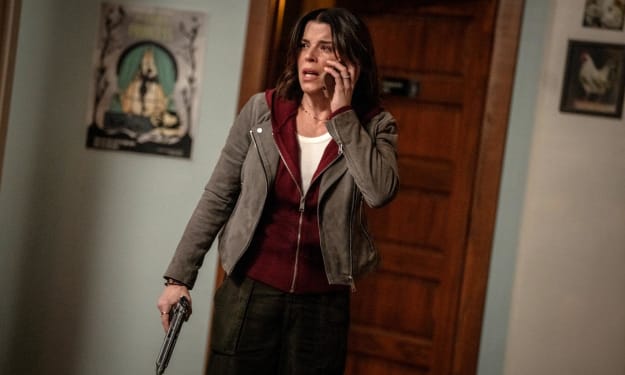
This is the seventh time we’ve had a Ghostface crisis. Scream 7 is the latest edition of the Scream franchise. Sydney Prescott and her family are under attack by another anonymous killer dressed in a Ghostface costume. While having issues with her daughter, Tatum, they run from the bloody murders, trying to determine who is behind it all.
By Marielle Sabbaga day ago in Horror

Comments
There are no comments for this story
Be the first to respond and start the conversation.