
Preciosa, the largest seed bead factory in Europe.
Czech Republic.

Overview
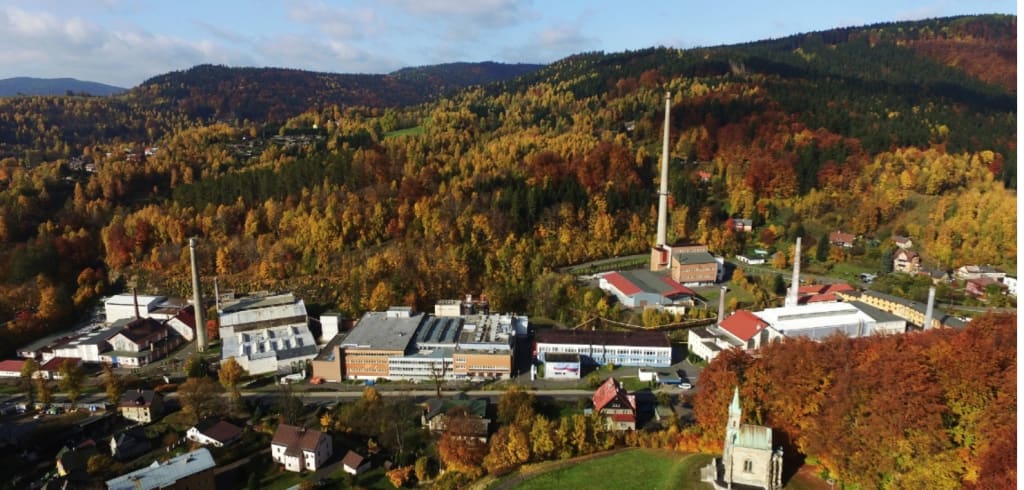
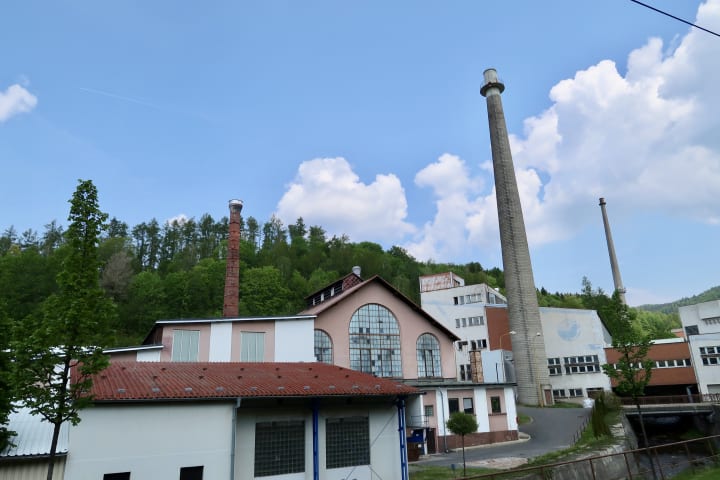
Preciosa Ornela, located in the Jizera Mountains of North Bohemia (Czech Republic), is a premier global producer of glass seed beads with roots dating back to the mid-19th century. Part of the Preciosa Group, the factory in Zásada specializes in creating high-quality, traditional Bohemian seed beads, including the iconic, historically significant cornelian (white-core) beads.
Key Historical Aspects of Preciosa Ornela:
Origins: While Bohemian glassmaking dates back to the 16th century, the specialized production of seed beads in the region grew significantly in the mid-19th century, with roots in local, family-run, or "cottage" industries.
Factory Development: The foundations of the modern factory, particularly in Desna, are tied to the 150-year-old legacy of the Riedel family, known as the "glass kings" of the Jizera Mountains.
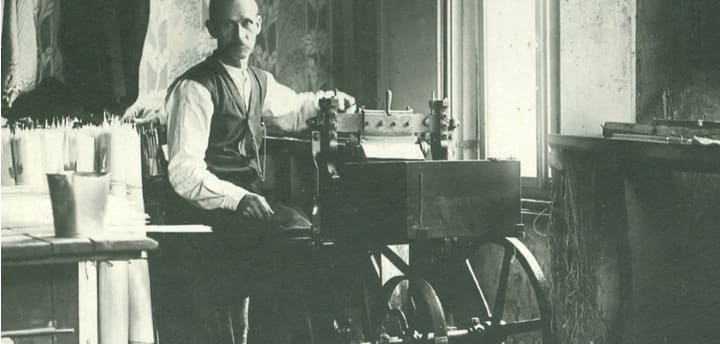
Evolution: The operation moved from hand-drawn glass rods to mechanized production, eventually becoming a state-run entity,Ornela,during the Communist era before being bought by the Preciosa Group After the velvet revolution in 1989.
Global Recognition: Today, Preciosa Ornela is renowned for its vast range of colors, shapes, and sizes (Rocailles), with products exported to over 80 countries, including the famous charlotte cut seed beads.
The company is now considered a key, high-end manufacturer in the global bead market, continuing in the Czech tradition.
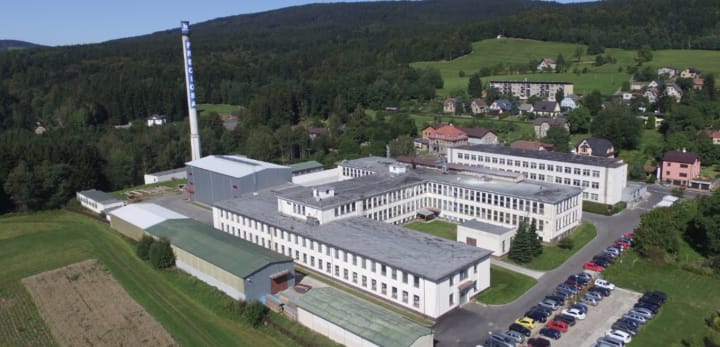
But as the smaller operations have struggled, Preciosa’s bead factory in Desna has only flourished, as has the town.
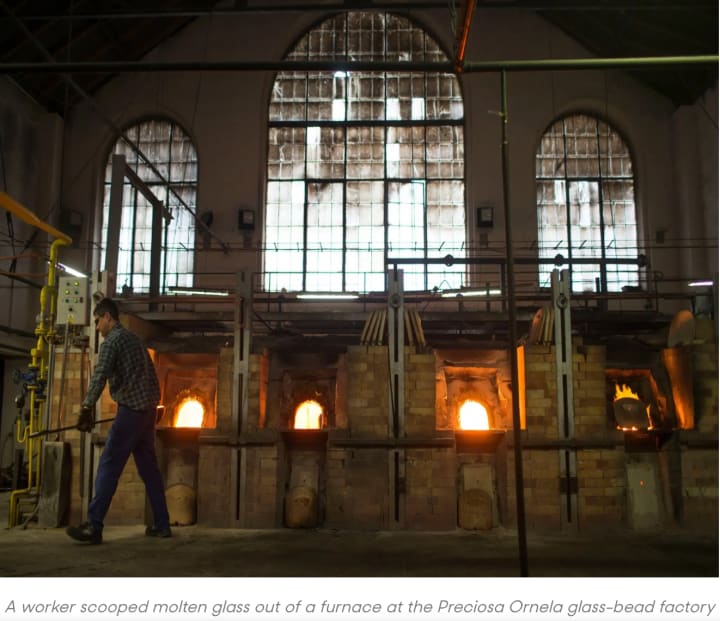
Through eight gaping gates, workers scoop molten glass out of red-hot pots in the brick furnace. The glowing ingots sink with an angry hiss into wooden tubs of water large enough to swallow an easy chair.
The seed beads that are the basis of Preciosa’s current prosperity are more difficult to produce than ordinary glass beads — in which molten glass is pressed into a mold — but allow artisans a wider array of treatments, flourishes and colors.
Glass rods are melted in a furnace, then, while still pliable, pulled through a machine that shapes them into a strawlike tube.
The end result looks a bit like a cocktail straw, although there are 20 sizes, each creating its own size of bead, and 20 basic colors that can be mixed into an almost endless selection of tones and shades, some opaque, some transparent.
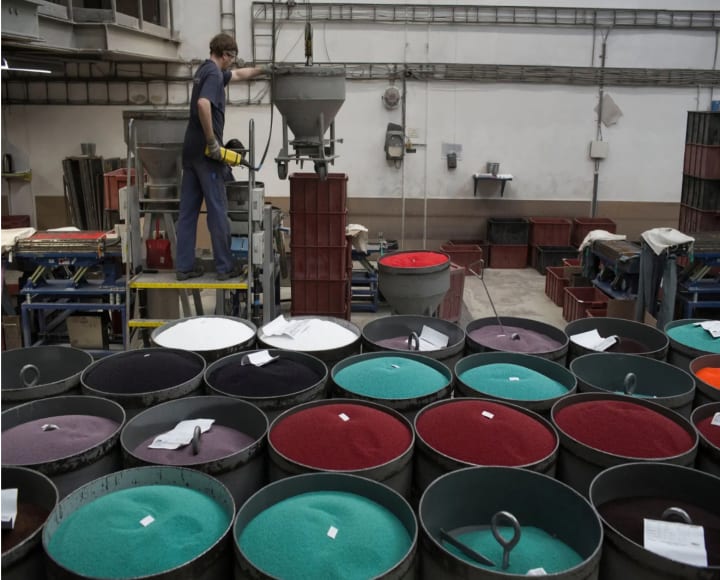
The holes in the straw can be round, triangular, star-shaped, even double-barreled, and a second color can be used to accent the hole or create baked-in glass patterns on the bead’s face.
The glass straws are sent through a slicing machine that bites off bead-size lengths, which are then reheated gently and put into a spinning machine that shapes the pliable glass into perfectly round beads that are then sorted and polished.
The final manufacture of the seed beads is done at another factory in Zasada. There the beads are warehoused and prepared for sale. A retail gift shop is located outside the gates for Beaders to buy the beads direct from the factory.
About the Creator
Guy lynn
born and raised in Southern Rhodesia, a British colony in Southern CentralAfrica.I lived in South Africa during the 1970’s, on the south coast,Natal .Emigrated to the U.S.A. In 1980, specifically The San Francisco Bay Area, California.




Comments
There are no comments for this story
Be the first to respond and start the conversation.