
How Artificial Intelligence Is Transforming Modern Industries
Introduction
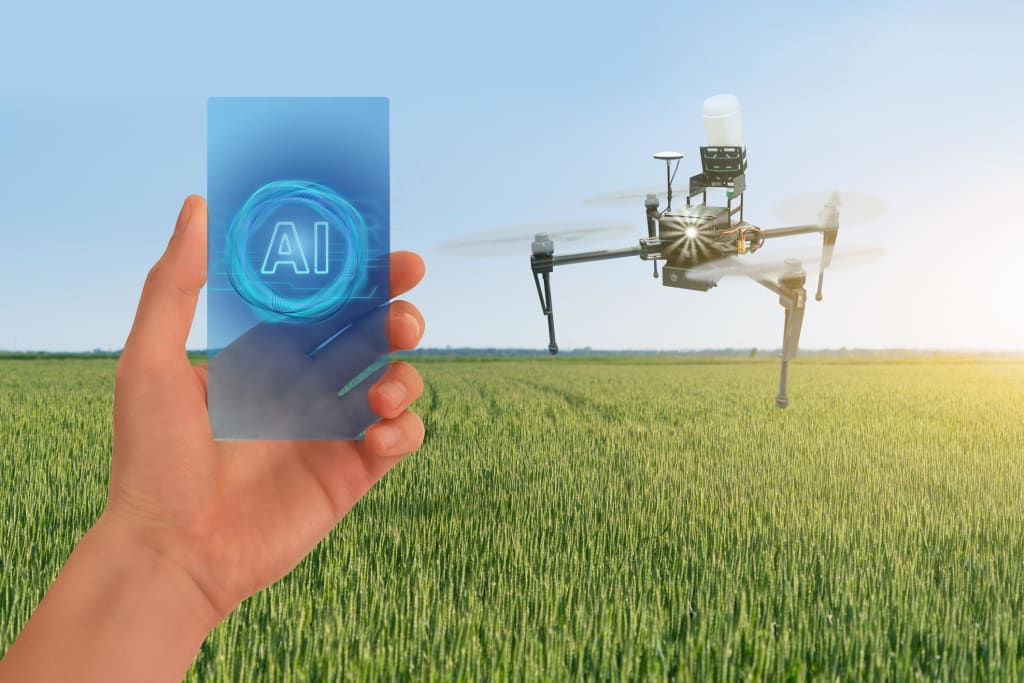
Artificial Intelligence (AI) is no longer a concept limited to science fiction or research laboratories. Today, AI technologies are deeply integrated into everyday life and are transforming how businesses operate, how services are delivered, and how people interact with technology. From healthcare and finance to marketing and transportation, AI is shaping the modern world in ways that were unimaginable just a decade ago.
As computing power increases and data becomes more accessible, artificial intelligence systems are becoming smarter, faster, and more efficient. Organizations across the globe are investing heavily in AI to improve productivity, reduce costs, and enhance decision-making. Understanding how AI is transforming industries helps us better prepare for the opportunities and challenges that come with this technological revolution.
AI in Healthcare
One of the most impactful applications of artificial intelligence can be seen in healthcare. AI-powered tools are helping doctors diagnose diseases earlier, develop personalized treatment plans, and improve patient outcomes.
Machine learning algorithms can analyze medical images such as X-rays, MRIs, and CT scans with remarkable accuracy. In some cases, AI systems are able to detect patterns that may be difficult for human specialists to identify quickly. This allows healthcare professionals to diagnose conditions like cancer, heart disease, and neurological disorders more efficiently.
AI is also being used to analyze patient data and predict health risks before symptoms appear. Predictive analytics can help hospitals manage resources more effectively, reduce emergency admissions, and improve preventive care strategies.
Another growing area is virtual health assistants. AI-powered chatbots and digital assistants can help patients schedule appointments, answer medical questions, and provide reminders for medication. These technologies not only improve patient convenience but also reduce the workload for healthcare staff.
AI in Business and Automation
Businesses across industries are using AI to automate repetitive tasks and streamline operations. Automation powered by artificial intelligence allows companies to focus more on strategic activities while machines handle routine processes.
Customer service is a great example. Many companies now use AI chatbots to answer customer inquiries, resolve issues, and provide support 24/7. These systems can handle large volumes of requests simultaneously, improving response times and customer satisfaction.
AI is also transforming supply chain management. Advanced algorithms analyze demand patterns, shipping routes, and inventory levels to optimize logistics. This helps businesses reduce delays, minimize costs, and ensure products are delivered efficiently.
In finance, AI systems are widely used for fraud detection. By analyzing transaction patterns in real time, machine learning models can identify suspicious activity and prevent financial losses. Banks and financial institutions rely on these systems to maintain security and protect customers.
AI in Marketing and Content Creation
The marketing industry has experienced significant transformation due to artificial intelligence. Companies now use AI to understand consumer behavior, personalize marketing campaigns, and improve customer engagement.
AI tools can analyze large amounts of data from social media, websites, and online interactions to identify trends and preferences. This information allows marketers to create targeted campaigns that reach the right audience at the right time.
Personalization has become one of the biggest advantages of AI in marketing. Streaming platforms, e-commerce websites, and online services use recommendation systems powered by AI to suggest products, movies, and content that match individual user preferences.
Content creation is another area where AI is making an impact. AI tools can assist with generating ideas, analyzing keywords, and optimizing content for search engines. While human creativity remains essential, AI helps streamline the content development process and provides insights that improve effectiveness.
AI in Transportation and Smart Cities
Artificial intelligence is playing a major role in transforming transportation systems and urban development. Self-driving vehicles are perhaps the most well-known example of AI in transportation.
Autonomous vehicles rely on AI to process data from sensors, cameras, and radar systems to navigate roads safely. While fully autonomous transportation is still evolving, AI-assisted driving features such as lane detection, adaptive cruise control, and collision warnings are already improving road safety.
AI is also being used to manage traffic systems in smart cities. Intelligent traffic management systems analyze traffic patterns in real time to adjust signal timing and reduce congestion. This can lead to smoother traffic flow, reduced fuel consumption, and lower emissions.
Public transportation systems are also benefiting from AI-powered analytics. Cities can analyze commuter data to optimize routes, improve scheduling, and enhance overall transportation efficiency.
Ethical Considerations and Challenges
Despite its many benefits, artificial intelligence also raises important ethical and social questions. One of the main concerns is the impact of automation on employment. As AI systems take over repetitive tasks, some jobs may change or disappear, requiring workers to adapt and develop new skills.
Data privacy is another critical issue. AI systems rely heavily on data to function effectively, and ensuring that personal information is protected is essential. Organizations must implement responsible data practices and transparent policies to maintain public trust.
Bias in AI algorithms is also a growing concern. If AI systems are trained on biased data, they may produce unfair outcomes. Researchers and developers are working to improve transparency and fairness in AI models to ensure they serve society responsibly.
Addressing these challenges requires collaboration between governments, technology companies, researchers, and communities to create policies that promote ethical AI development.
The Future of Artificial Intelligence
The future of artificial intelligence is full of possibilities. As technology continues to evolve, AI systems will become more capable of assisting humans in solving complex problems and improving quality of life.
In the coming years, we can expect AI to play a larger role in areas such as climate research, education, scientific discovery, and space exploration. Intelligent systems may help scientists analyze vast datasets, identify patterns, and develop solutions to global challenges.
However, the goal of artificial intelligence should not be to replace human intelligence but to enhance it. When used responsibly, AI can act as a powerful tool that complements human creativity, judgment, and empathy.
Conclusion
Artificial intelligence is rapidly transforming modern industries and reshaping the way we live and work. From improving healthcare outcomes to optimizing business operations and revolutionizing transportation systems, AI is becoming an essential part of the global economy.
While challenges such as ethical considerations and workforce changes must be addressed, the potential benefits of artificial intelligence are enormous. By embracing innovation while maintaining responsible development practices, society can harness the power of AI to create a more efficient, connected, and intelligent future.
About the Creator
Rene Van Acker
Digital marketer and SEO strategist working with agriculture technology platforms. Writing about AI, agri-innovation, sustainable farming, and data-driven growth strategies.
Keep reading
More stories from writers in Education and other communities.
Cover Assembly Screened in Aircraft Systems: Function, History, and Aerospace Applications
Introduction: My Research into Cover Assembly Screened Aircraft Components While studying aircraft hardware and aerospace structural parts, I recently explored a catalog listing dedicated to Cover Assembly Screened components used in aviation systems. During my research, I realized that even small parts like protective covers are essential for the reliability, safety, and longevity of aircraft electronics and mechanical assemblies.
By Beckett Dowhana day ago in Education
How the Sun Shapes Planetary Orbits: The Gravitational Power Behind the Solar System
The Sun’s Gravitational Dominance The Sun contains more than 99.8% of the total mass of the solar system. Because gravity depends on mass, the Sun’s enormous mass gives it overwhelming gravitational influence.
By shahkar jalal7 days ago in Education
Parallel Protests
I haven't written for quite some time, but I have A LOT of thoughts about yesterday's protest rally against our government's involvement and complicity in America's war on Iran, on the harbourside of my home city Bristol, and I need to put them somewhere. My gorgeous girlfriend is always a loving and listening ear and sharing it all with her will always be a healthy and happy way of processing the mental and emotional weight, but getting it straight in my brain to share means writing it all down in straight lines, so, here we are and thanks for being here.
By Steph Cole7 days ago in The Swamp
Top tipple tricks
Been thinking a lot about drinking, lately. Not least because of a recent episode of over-indulgence and the inevitable after effects. Some readers may recall the earlier articles I wrote about beating the booze. Here I set out an experiment in techniques for cutting down on my alcohol intake. The experiment was successful, the techniques worked, and I have armed myself with an arsenal of weapons in the war against the demon drink. I have yet to fire the first round however. It's all a question of timing (perhaps procrastination).
By Raymond G. Taylora day ago in Psyche



Comments
There are no comments for this story
Be the first to respond and start the conversation.