
Immersive Learning at Work: Why Virtual Reality Is the Future of Professional Training
Virtual Reality in the Workplace: Redefining the Future of Professional Development

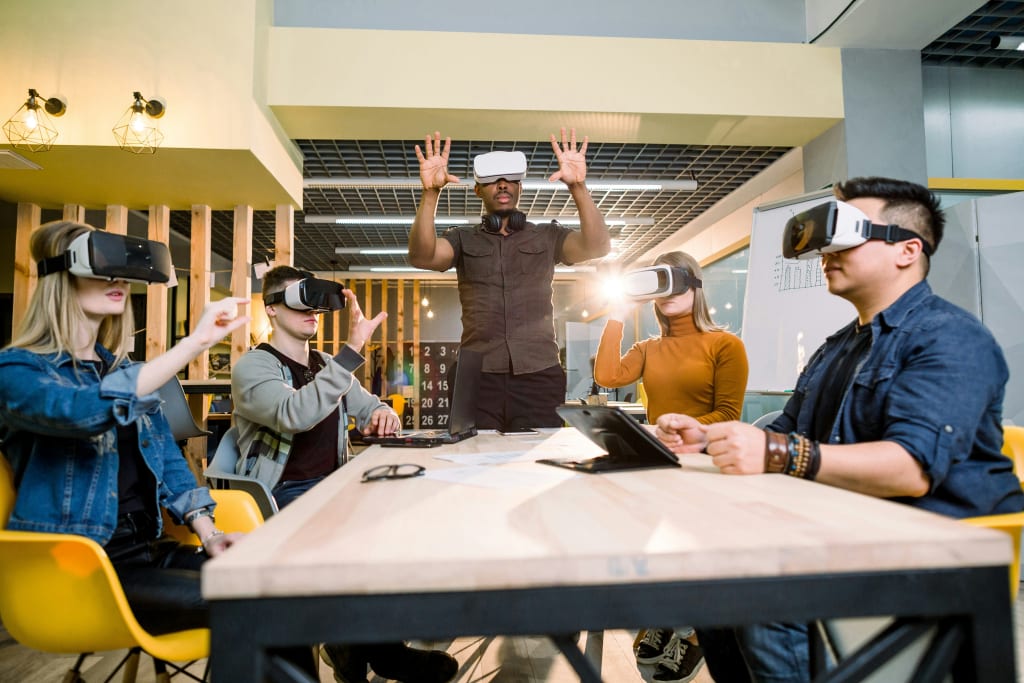
Professional training is undergoing a dramatic evolution as organizations search for more impactful ways to build talent. Traditional methods such as classroom sessions, static e learning modules, and printed manuals often fall short in delivering practical experience. Virtual reality offers a more immersive, interactive approach, placing employees directly in realistic digital environments where learning becomes active rather than passive.
This immersive quality changes how information is processed. Instead of simply listening to instructions, learners perform tasks, solve problems, and make decisions within simulated settings. The experience feels tangible and immediate, which increases focus and involvement. As businesses aim to close skill gaps and improve productivity, VR stands out as a forward-looking solution that aligns with modern learning preferences.
A major strength of virtual reality is its ability to recreate complex work environments with impressive detail. Whether in a hospital operating room, a manufacturing floor, or a customer service desk, VR simulations can mirror real-world workplace conditions. Employees gain exposure to scenarios that reflect daily responsibilities, helping them build familiarity before facing similar situations on the job.
These simulations allow repeated practice without disrupting operations. A technician can rehearse equipment repairs, or a sales professional can practice client interactions, all within a controlled digital space. Repetition strengthens procedural knowledge and boosts confidence. Over time, this hands-on exposure shortens the learning curve and enhances overall job performance.
Many professions require quick thinking and sound judgment in high-pressure situations. Traditional training methods may describe these challenges, but they rarely replicate the stress and urgency involved. Virtual reality can simulate time-sensitive scenarios that test decision-making skills in realistic contexts.
For example, emergency responders can practice handling crises, and managers can navigate complex operational problems. Participants must assess information, weigh options, and act swiftly within the simulation. This experiential practice builds mental resilience and sharpens critical thinking. When similar pressures arise in real life, employees are better prepared to respond effectively and confidently.
Employee engagement is a key factor in successful training programs. Long presentations or text-heavy modules can lead to reduced attention and limited retention. Virtual reality addresses this challenge by creating interactive experiences that require constant participation. Learners are not just observers; they are active contributors to the outcome of each scenario.
The sense of presence in a virtual environment helps minimize distractions. Because users feel immersed in the setting, they are more likely to stay focused on the task at hand. This heightened concentration enhances understanding and makes learning sessions more memorable. Engaged employees are also more likely to value training initiatives and apply new skills in their daily roles.
Professional success often depends on teamwork and communication. Virtual reality platforms now support shared digital environments where multiple participants can interact simultaneously. Teams can meet in a virtual workspace, collaborate on problem-solving exercises, and practice coordinated responses to complex challenges.
These collaborative simulations are especially useful for remote or geographically dispersed teams. Employees from different locations can train together without having to travel. This not only reduces logistical costs but also strengthens cross-functional relationships. By fostering collaboration in immersive settings, organizations can build stronger team dynamics and improve overall performance.
Another advantage of VR-based training is the ability to collect detailed data on learner performance. Systems can track how individuals move through scenarios, how long it takes them to complete tasks, and how they respond to specific challenges. This information provides valuable insights into strengths, weaknesses, and areas for improvement.
Managers can use these analytics to tailor development plans and refine training content. Instead of relying solely on written assessments, organizations can access behavioral data to support real-time decision-making. This data-driven approach supports continuous improvement and ensures that training investments lead to measurable progress.
Although implementing virtual reality training requires an upfront investment, the long-term benefits can outweigh initial expenses. Companies can reduce travel costs, minimize the need for physical training facilities, and limit the use of consumable materials. Employees can practice in virtual settings without interrupting normal operations or risking equipment damage.
In addition, VR reduces the likelihood of costly errors during live training. Practicing complex procedures in a simulated environment helps prevent accidents and operational setbacks. Over time, these savings contribute to strong returns on investment, making virtual reality an increasingly practical choice for forward-thinking organizations.
As industries continue to evolve, the demand for adaptable and highly skilled professionals will only increase. Virtual reality offers a flexible platform that can be updated to reflect new technologies, regulations, and market conditions. Training modules can be modified or expanded without rebuilding entire programs from scratch.
By integrating VR into their learning strategies, organizations demonstrate a commitment to innovation and continuous development. Immersive training equips employees with practical skills, sharper judgment, and greater confidence. As technology advances, virtual reality is set to play a central role in shaping the future of professional training and workforce development.
About the Creator
Alex Kipman
Alex Kipman is a technology innovator known for his work in mixed, augmented, and virtual reality, with achievements like Kinect and a vision to expand human connections through the metaverse.
Portfolio: https://alexkipman.com
Keep reading
More stories from Alex Kipman and writers in Education and other communities.
Healing Through the Headset: How Virtual Reality Supports Mental Health
Virtual reality and mental health seem like an unusual pairing at first. One brings images of video games and digital adventures, while the other involves deep emotions and healing. But together, they create new ways to feel better and live well. Virtual reality, often called VR, is more than just entertainment. It offers people the chance to step into safe, calm places where healing can begin.
By Alex Kipman22 days ago in Education
Meditation, Meaning, and Metrics: Balancing Spirituality at Work for Focus and Fulfillment
Balancing Spirituality at Work is a topic that speaks to modern professionals. Many workplaces focus only on numbers and targets. Deadlines, profits, and reports often define success. Yet people are not machines. They need purpose and calm to perform well. This is where balancing spirituality at work becomes important. It does not mean bringing religion into meetings. It means creating space for reflection, mindfulness, and deeper meaning. Meditation, Meaning, and Metrics: Balancing Spirituality at Work shows how inner peace can support outer performance. When people feel grounded, they think clearly and act with intention.
By Evan Weiss St Louis3 days ago in Education




Comments