
The Dark Side of AI Nobody Talks About
Artificial intelligence is transforming industries and making life easier—but behind the convenience lies a darker side that few people are willing to discuss.
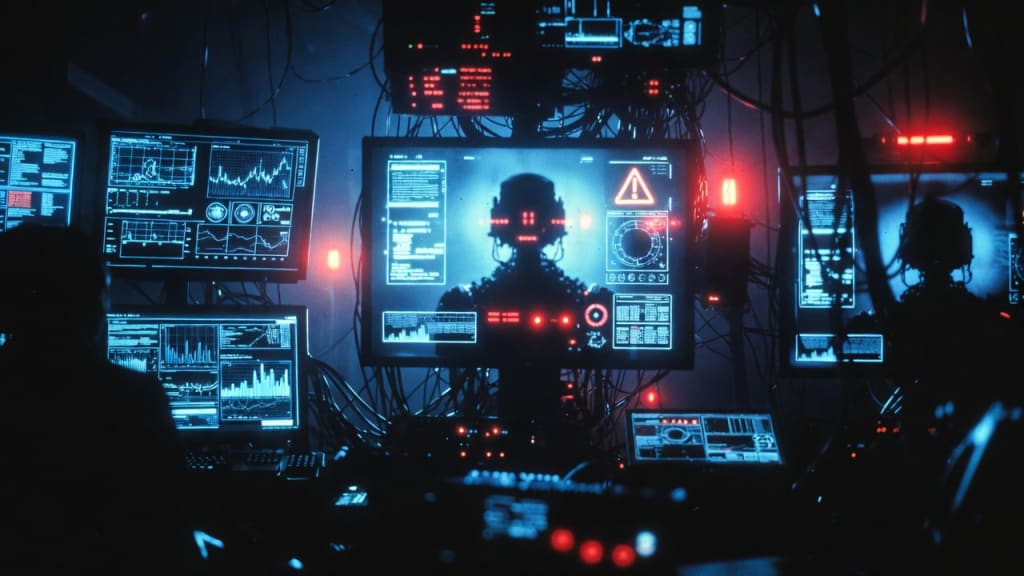
Artificial intelligence is often described as one of the greatest technological breakthroughs of the modern world. From helping doctors analyze medical data to allowing businesses to automate complex tasks, AI is rapidly becoming part of everyday life.
Many people celebrate the benefits of artificial intelligence. It can save time, improve productivity, and make difficult tasks easier. But while the positive side of AI receives constant attention, its darker side is rarely discussed.
Behind the innovation and convenience lies a set of challenges that society is only beginning to understand.
The Hidden Threat to Jobs
One of the biggest concerns surrounding artificial intelligence is its potential impact on employment.
Automation has always affected the job market, but AI is different. Unlike traditional machines that replace physical labor, AI can perform tasks that require thinking, analyzing, and decision-making.
Customer service systems, writing assistants, design tools, and even software development programs are now powered by artificial intelligence.
While this technology increases efficiency, it also raises an important question: what happens to the workers whose roles become automated?
Some experts believe AI will create new jobs in emerging industries. Others worry that the transition may happen faster than workers can adapt.
The reality may lie somewhere in between.
The Rise of Deepfakes
Another alarming issue linked to artificial intelligence is the rise of deepfake technology.
Deepfakes are AI-generated videos, images, or audio recordings that appear extremely realistic but are completely fabricated. With advanced AI tools, it is possible to make someone appear to say or do things they never actually did.
This technology has already been used to spread misinformation and manipulate public perception.
Imagine seeing a convincing video of a public figure making a shocking statement, only to later discover it was entirely artificial.
As AI technology becomes more advanced, distinguishing real content from fake content may become increasingly difficult.
The Privacy Problem
Artificial intelligence systems rely heavily on data.
The more information they process, the smarter and more accurate they become. This data often includes personal details such as browsing habits, purchasing behavior, location history, and social media activity.
While companies claim this data improves services and personalization, it also raises serious concerns about privacy.
Many users are unaware of how much personal information they are sharing online.
Once data is collected and stored, questions arise about who controls it, how long it is kept, and how it may be used in the future.
Without clear regulations and transparency, personal privacy may become one of the biggest casualties of the AI era.
The Risk of Algorithmic Bias
Artificial intelligence learns from the data it is trained on. If that data contains bias, the AI system may unintentionally replicate those biases.
For example, AI systems used in hiring, loan approvals, or law enforcement may produce unfair outcomes if the training data reflects past discrimination.
Because AI decisions are often based on complex algorithms, identifying and correcting these biases can be extremely difficult.
This raises ethical concerns about fairness and accountability in automated decision-making systems.
Overdependence on AI
As artificial intelligence becomes more powerful, people may begin to rely on it too heavily.
Navigation systems guide drivers through cities. Recommendation algorithms decide what content people watch, read, or buy. AI writing tools help generate articles and reports.
While these technologies can increase productivity, overreliance on them may weaken human creativity and critical thinking.
If people begin to trust AI systems without questioning their results, mistakes and misinformation could spread more easily.
Technology should assist human intelligence—not replace it.
The Concentration of Power
Another issue rarely discussed is the concentration of AI power within a small number of companies.
Developing advanced AI models requires enormous computational resources, vast datasets, and billions of dollars in research.
As a result, only a handful of major technology companies currently dominate the development of cutting-edge AI systems.
This concentration of power raises important questions about control, influence, and responsibility.
Who decides how AI technologies are used? And who ensures they are used ethically?
These questions will become increasingly important as AI continues to shape the future.
Final Thoughts
Artificial intelligence has the potential to transform the world in extraordinary ways. It can help solve complex problems, improve productivity, and open new opportunities across many industries.
However, every powerful technology carries risks.
Ignoring those risks does not make them disappear. Instead, society must recognize the challenges early and work toward responsible solutions.
Understanding the dark side of AI does not mean rejecting technological progress.
It simply means acknowledging that the future of artificial intelligence must be guided by careful decisions, ethical considerations, and human responsibility.
Because in the end, the true power of AI will depend not just on what it can do—but on how wisely we choose to use it.
About the Creator
Keep reading
More stories from Baseer Shaheen and writers in Futurism and other communities.
How AI Is Creating New Opportunities for Beginners
For many years, technology was often seen as something only experts could truly understand. Complex programming languages, expensive software, and technical knowledge created barriers that made it difficult for beginners to enter the digital world. Today, that reality is changing rapidly. Artificial intelligence is transforming how people learn, work, and build careers online. What once required years of training can now be simplified with the help of intelligent tools. For beginners, this shift is opening doors that were previously closed. Learning New Skills Faster Than Ever One of the most powerful benefits of artificial intelligence is how it helps people learn new skills quickly. In the past, beginners often struggled to find guidance when learning something new. Today, AI-powered tools can explain concepts, suggest improvements, and even guide users step-by-step through complicated tasks. Whether someone wants to learn writing, graphic design, coding, or marketing, AI can act like a personal assistant that provides instant help. This ability to learn faster makes it easier for beginners to enter fields that once seemed intimidating. Creating Content Without Advanced Skills Content creation used to require specialized knowledge and expensive software. Writing articles, designing graphics, or editing videos could take hours or even days. Artificial intelligence has dramatically simplified these processes. AI tools can now help generate ideas, improve writing, create images, and even edit videos automatically. With just a few instructions, beginners can produce professional-looking results. This means someone with creativity and curiosity can start building content much sooner than before. As a result, many new creators are entering the digital world and sharing their ideas online. The Rise of AI-Assisted Freelancing Freelancing has become one of the most popular ways to earn money online. Writers, designers, editors, and marketers offer their services to clients across the globe. AI tools are now helping freelancers work more efficiently and handle projects faster. For beginners, this means they can start offering services without needing years of experience. AI can assist with research, editing, brainstorming, and even generating first drafts. While human creativity and judgment remain essential, AI reduces the time and effort required to complete many tasks. This allows freelancers to focus more on quality and creativity. Small Businesses Are Using AI Too Artificial intelligence is not just for large corporations anymore. Small businesses and startups are increasingly using AI tools to manage their operations. These tools help businesses analyze data, create marketing campaigns, respond to customer inquiries, and automate repetitive work. For beginners interested in entrepreneurship, this creates new possibilities. Someone with a good idea and access to AI tools can start building an online business with fewer resources than ever before. AI acts as a digital assistant that supports many aspects of business operations. Creativity Is Becoming More Valuable Some people worry that artificial intelligence might replace human creativity. However, the opposite may actually be true. AI tools can generate ideas and assist with tasks, but they still rely on human input to guide them. People who combine creativity with AI tools can produce unique results that stand out from automated content. For beginners, this means imagination and curiosity are becoming even more valuable skills. Instead of replacing human creativity, AI often amplifies it. The Future Belongs to Adaptable Learners Technology is evolving quickly, and artificial intelligence will continue to shape the future of work. Those who remain curious and open to learning new tools will likely benefit the most. Beginners who explore AI today may develop skills that become highly valuable in the years ahead. The key is not to fear new technology, but to understand how it can be used effectively. Final Thoughts Artificial intelligence is creating opportunities that did not exist just a few years ago. It is helping beginners learn faster, work more efficiently, and explore new digital careers. While challenges and risks still exist, the possibilities created by AI are significant. For those willing to experiment, learn, and adapt, artificial intelligence may become one of the most powerful tools for building a future in the digital world. Sometimes, the biggest opportunities appear when technology changes the rules—and right now, AI is doing exactly that.
By Baseer Shaheen about an hour ago in Futurism
DevOps Market: Agile Development Adoption, CI/CD Automation & Industry Growth Outlook
According to IMARC Group’s latest research publication, the global DevOps market size reached USD 13.5 Billion in 2024. Looking forward, IMARC Group expects the market to reach USD 72.7 Billion by 2033.
By sujeet. imarcgroup6 days ago in Futurism
Digital Signage in Education & Universities Market to Reach USD 5.48 Billion by 2034
The global digital signage in education and universities market is experiencing steady growth as educational institutions adopt advanced communication technologies across campuses. The market is projected to grow from USD 2.15 billion in 2024 to approximately USD 5.48 billion by 2034, reflecting a 9.8% CAGR during the forecast period. Digital signage systems are increasingly used in schools, colleges, and universities to display announcements, schedules, emergency alerts, and academic information.
By Roberto Crum3 days ago in Futurism


Comments
There are no comments for this story
Be the first to respond and start the conversation.