
In The Limelight: The origin of the term.
The popular phrase might not indicate exactly what you believe.


You have probably heard it said that someone you know enjoys being in the limelight, which indicates they bask in being the center of attention. There is a song by the group Rush titled Lime light which begins with:
“Living on a lighted stage approaches the unreal
For those who think and feel
In touch with some reality beyond the gilded cage
Cast in this unlikely role, ill-equipped to act
With insufficient tact
One must put up barriers to keep oneself intact
Living in the limelight, the universal dream
For those who wish to see
Those who wish to be
Must put aside the alienation
Get on with the fascination
The real relation, the underlying theme”
You may have assumed limelight was a synonym for spotlight, as some people do use the terms interchangeably. These two words do mean the same thing to most of the population; however, they have completely different origins.
A spotlight is a bright light or lamp that is used to center on or focus on an object or person. It illuminates the intended target so that all eyes will be on whatever or whoever is the center of attention.

A limelight is a type of stage lighting that was once used in theaters and music halls. It produced a bright light because incandescent quicklime was used. If you thought limelight meant a spotlight with a lime green tint, don’t feel bad, so did I for quite some time.
Limelight is also known as Drummond light or calcium light. It creates an intense illumination when an oxyhydrogen flame is directed at a cylinder of quicklime.
The light is created by a combination of incandescence and candoluminescence. LimeliLight was replaced with the invention of electrical lighting.
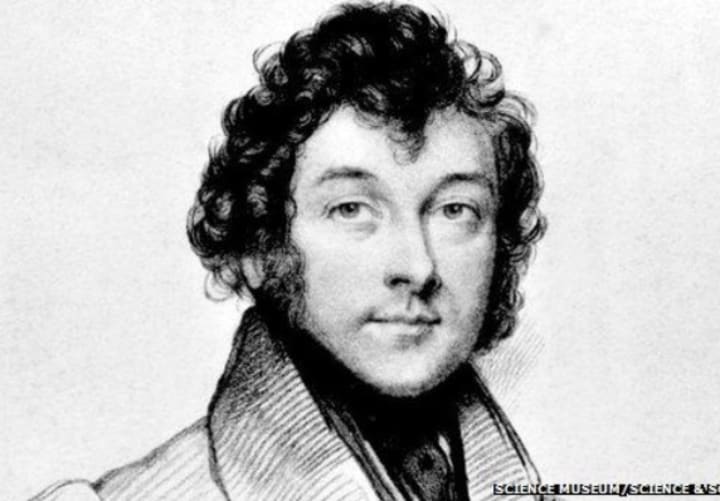
The word limelight continues today to describe someone who is in the public eye. The actual lights are called "limes", but this term has now been transferred to electrical equivalents.
When calcium hydroxide (slaked lime) is heated in a stove burner, it gives off a glow, although not nearly as bright as a real limelight. The limelight effect was discovered by Goldsworthy Gurney in the 1820s and was based on his work with the "oxy-hydrogen blowtorch. It was in 1825 that Scotsman Thomas Drummond saw a demonstration of the effect of limelight by Michael Faraday.

He realized that the light would be useful for surveying. and in 1826 Drummond built a working version of limelight. This why the device is sometimes referred to as the Drummond light. Spotlights came about 53 years later in 1879. Louis Hartmann from the United States was the inventor of the light that shines on a specified spot.
When I think of spotlights, I recall the 1978 hit single Flashlight by the funk group Parliament/Funkadelic. The song tells the continuing saga of Sir Nose. D’void of funk who does not want the funk and refuses to dance.
Limelights were used in theaters only in the early 1800s. Spotlights came along a little over half a century later and at this point in time can be used anywhere.
The police utilize spotlights to highlight a criminal they are trying to apprehend. Spotlights are used in maximum security prisons to prevent escapes. If you happen to slip up and say limelight don’t be too concerned because this term will probably be around for quite a while.
About the Creator
Cheryl E Preston
Cheryl enjoys writing about current events, soap spoilers and baby boomer nostalgia. Tips are greatly appreciated.
Keep reading
More stories from Cheryl E Preston and writers in FYI and other communities.
Guard Your Battery
Why are some people so attractive just by standing there? It’s not because they are "likable," but because they don’t need everyone to like them. I realized later that truly charismatic people allow themselves to be criticized, but they never criticize themselves. They never try to please the world; instead, the world stops to watch them.
By Emily Chan - Life and love sharing2 days ago in Poets



Comments
There are no comments for this story
Be the first to respond and start the conversation.