
Private Lives by Noel Coward
Why It's a Masterpiece (Week 106)

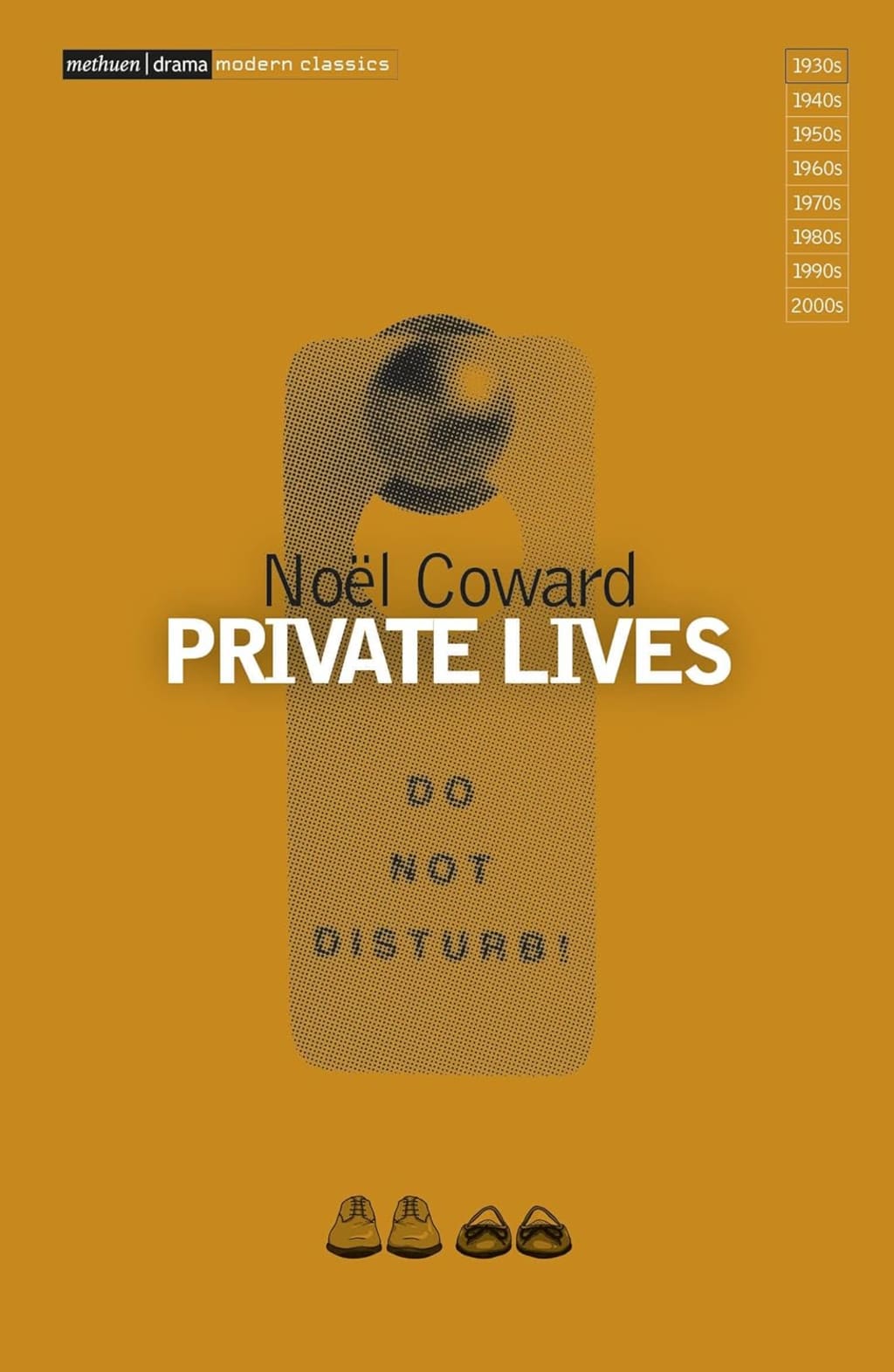
Background and Context:
I first read Private Lives in my late teens whilst I was doing work experience at an independent theatre somewhere in my hometown. All I can say is that it smelt like burning wood inside, I ended up getting sick from what I can only describe as a damp atmosphere and the words 'the show must go on' were carved on a beam above your head as you walked backstage. Until a fractured my wrist, I actually really enjoyed myself.
I worked backstage as one of the people who ran and handled a prop gun which was actually a real gun with the bullets removed. We made a makeshift system where the gun on stage would go off and shoot smoke, whereas the gun backstage would go off and shoot nothing but sound. They had to happen at the same time and needless to say, I messed it up a couple of times. Back to "Private Lives"...
The play we were doing referenced "Private Lives" and obviously, an intrigued reader, I looked up this play after reading the script. Honestly, it was fantastic. Now, let's have a look at why it is considered a masterpiece.
(Also, the play I was working backstage for was in the genre of crime, starred some pretty snooty characters and mentioned the play "Private Lives" and had something to do with the film "Dial M for Murder" - though I can't remember what. If you know which play I'm talking about then please help me remember because I have not got a clue. I'm simply drawing blanks).
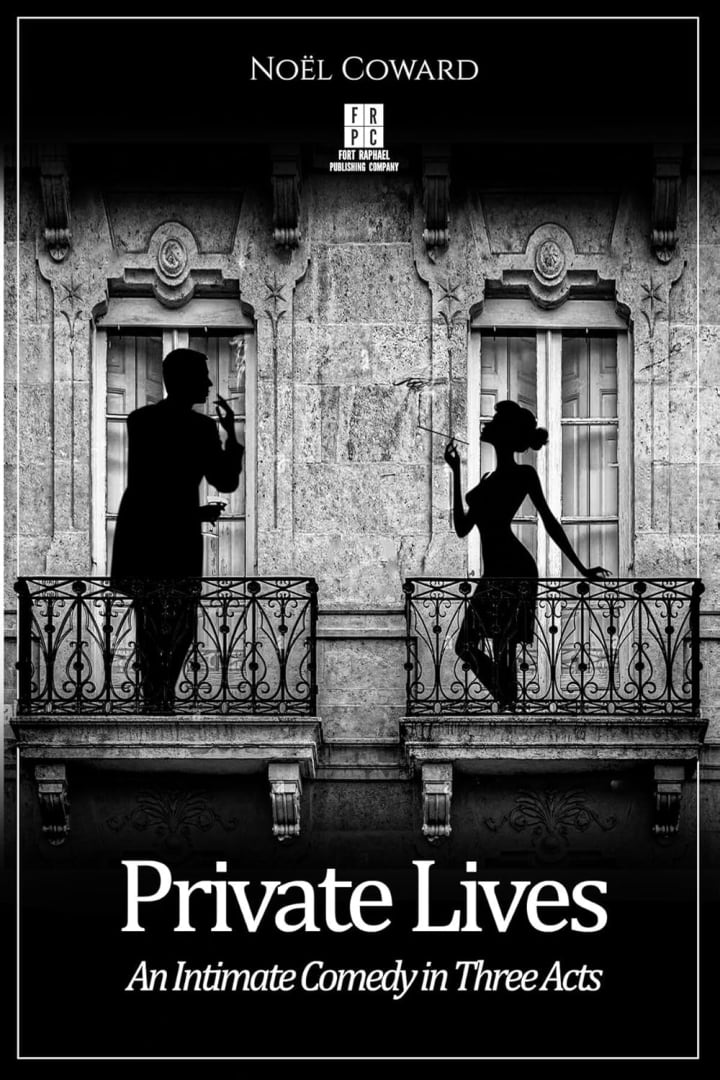
Private Lives by Noel Coward
Private Lives was first performed in 1930 and is probably the most well-known play by the author Noel Coward. A rom-com of manners, it was described as witty with sharp social commentary and rapid quippy dialogue. Coward, who was recovering from an illness in Shanghai, wrote the play in just a few days and it became almost an instant success. Noel Coward would star in the debut of the play himself alongside actress Gertrude Lawrence.
The interwar period was filled with needless glamour and its all explored in the play. The characters are almost caricatures of the aristocratic class that dies out in the 1930s. They are emotionally volatile, narcissistic and self-absorbed whilst also being well-educated enough to keep themselves incredibly witty. Conventions are satirised and marriage is made almost an absurdity as Coward puts on a play about this toxic class of people. The blend of comedy and drama is just one of the reasons people still go and see it today.
Plot
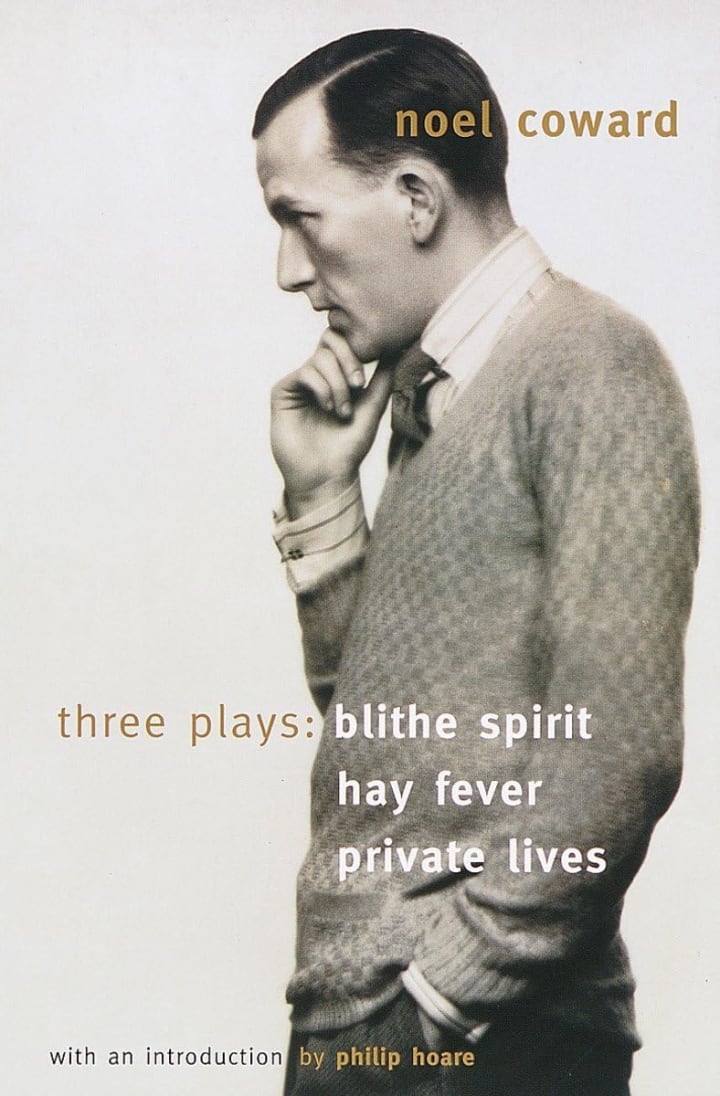
The play revolves around divorced couple Elyot and Amanda, who, by sheer coincidence, find themselves honeymooning at the same hotel with their new spouses. Elyot is now married to the sweet but conventional Sibyl, while Amanda has wed the serious and dependable Victor.
As the two couples settle into their respective suites, Amanda and Elyot unexpectedly cross paths on their adjoining balconies. Despite their tumultuous history, they quickly realise they are still passionately in love. Their initial shock and discomfort give way to flirtation, which escalates into a reckless decision; they abandon their unsuspecting spouses and flee together to Amanda’s Parisian apartment.
At first, their reunion is blissful, filled with laughter, music, and nostalgia. However, it soon becomes apparent that their old patterns of volatility and conflict remain unchanged. Their relationship swings between euphoric passion and explosive arguments, culminating in a physical fight that leaves the apartment in shambles.
Their new spouses, Victor and Sibyl, eventually track them down, leading to a dramatic confrontation. But just as Victor and Sibyl begin to mirror the same argumentative tendencies, Elyot and Amanda unwilling to endure another cycle of conventional marriage, quietly slip away together, leaving their partners to sort out their own messy emotions.
Into the Book
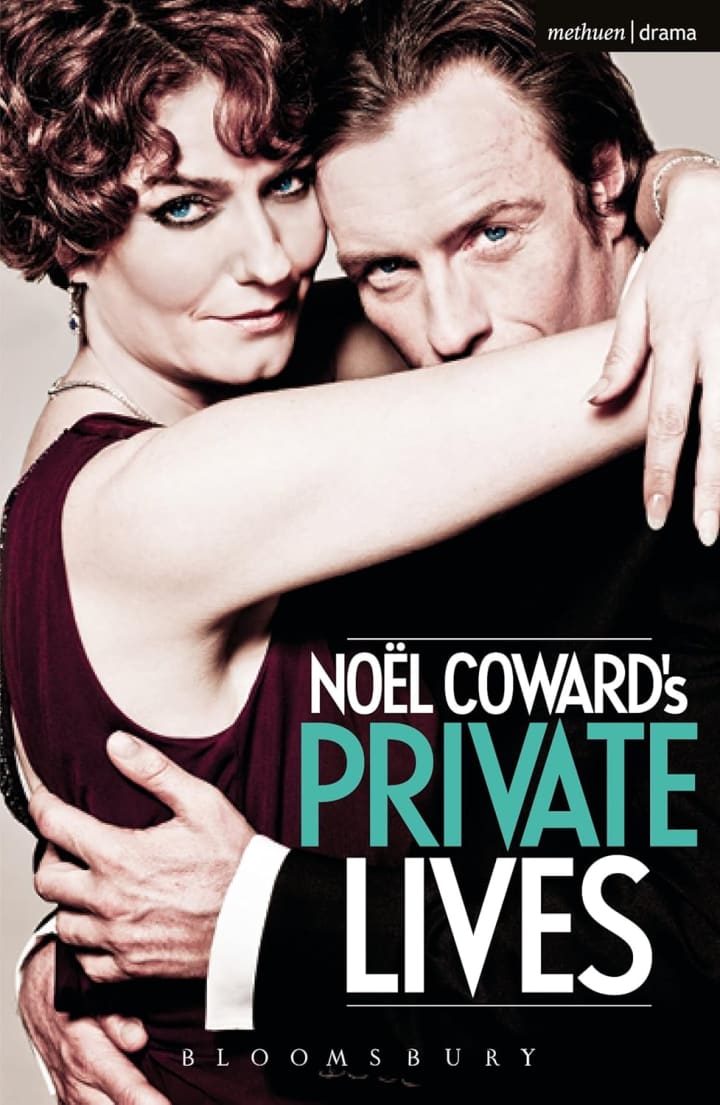
Passion and Destructiveness:
One of the play’s main themes is the idea that passion and destructiveness are often intertwined. Elyot and Amanda’s relationship is both intoxicating and toxic, marked by intense attraction but also volatile arguments.
Coward suggests that some people are drawn to emotional chaos, unable to function in stable relationships. Elyot and Amanda thrive on the intensity of their love, but that same passion makes them basically incompatible in the long run.
He also shows how all relationships, regardless of initial romantic bliss, inevitably fall into familiar arguments and frustrations. This cyclical pattern is reinforced when Victor and Sibyl begin to quarrel just as Amanda and Elyot once did, suggesting that all relationships are susceptible to the same petty conflicts.
“Don’t quibble, Sibyl.”
- Private Lives by Noel Coward
Mocking Social Conventions and Structures:
The author mocks the rigid expectations surrounding marriage and gender roles, portraying traditional relationships as stifling and artificial. Sibyl and Victor embody conventional notions of propriety, yet they prove to be just as flawed and emotionally impulsive as Elyot and Amanda.
Amanda, in particular, resists societal expectations of female behaviour. She is fiercely independent, unapologetically passionate, and unwilling to settle for a dull marriage. Her sharp wit and refusal to conform challenge the traditional notion of a docile wife.
This depicts the play’s satirical critique of society’s obsession with maintaining appearances. Coward suggests that beneath the veneer of respectability, everyone harbours emotional chaos and irrational desires.
“I think very few people are completely normal, deep down in their private lives.”
- Private Lives by Noel Coward
Relationships:
Elyot and Amanda’s relationship moves between romantic ecstasy and violent quarrels, demonstrating how love and hate can be two sides of the same coin. Their banter is filled with both affection and venom, as seen in their rapid mood swings.
Their attraction is rooted in their ability to challenge each other, but this also makes them fundamentally incompatible. Coward masterfully captures the unpredictability of human relationships, showing how love can quickly turn to resentment, and back again.
Elyot: “I think very few people are completely normal, deep down in their private lives.”
Amanda: “That's probably true. But it doesn't stop them from being infernally dull.”
- Private Lives by Noel Coward
Why It's a Masterpiece
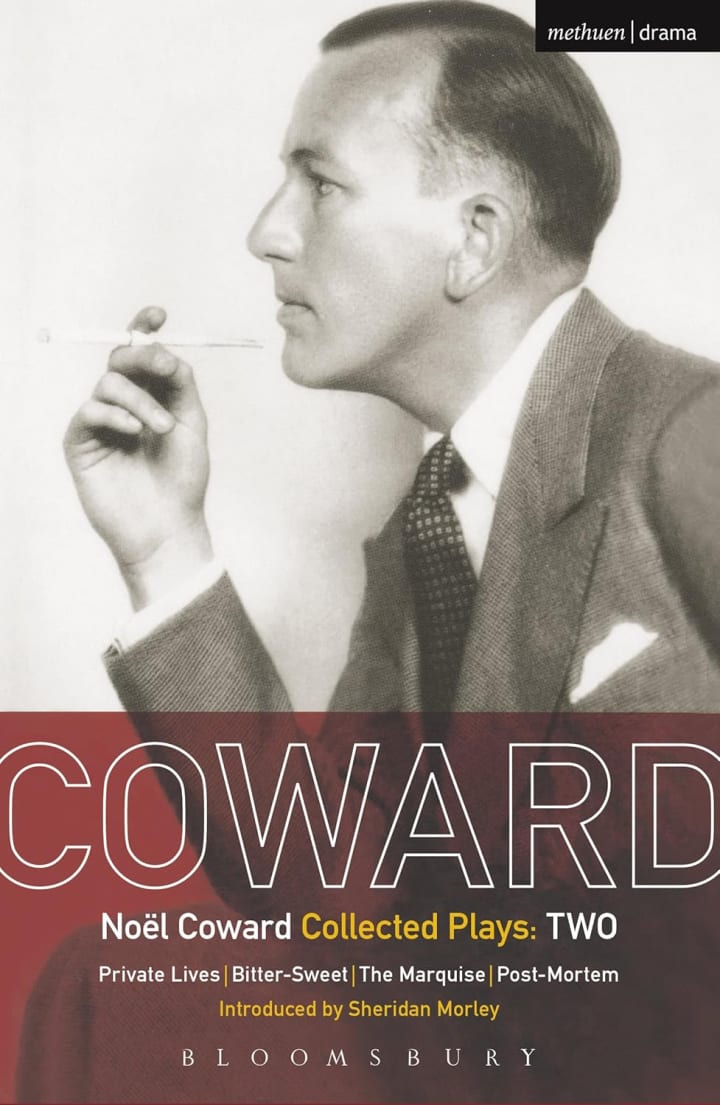
Nearly a century after its release and debut, Private Lives continues to make us laugh until we cry and that's mainly because of the way it is all light and funny on the surface whilst being terrifyingly true underneath. Biting sarcasm plays with a fast-paced plot and its exploraiton of romantic conflict leaves the readers/audiences grounded in something they can understand even if they are removed from the class of characters. The characters prove charismatic and the play is sophisticated in many ways. The amount of chemistry required between the characters means that casting choices are a huge part of the whole experience. It ebbs and flows fluently between high drama and comic farce making it an enjoyable experience for a night out at the theatre.
Conclusion
All in all, the play leaves us with an unresolved question: are Elyot and Amanda destined for happiness, or are they doomed to repeat their destructive cycle forever?
This ambiguity, combined with Coward’s wit and brilliance, ensures that Private Lives remains a masterpiece of modern theatre. It is a play that continues to captivate and amuse audiences around the world.
Next Week: The Island of Dr Moreau by HG Wells
About the Creator
Annie Kapur
I am:
🙋🏽♀️ Annie
📚 Avid Reader
📝 Reviewer and Commentator
🎓 Post-Grad Millennial (M.A)
***
I have:
📖 300K+ reads on Vocal
🫶🏼 Love for reading & research
🦋/X @AnnieWithBooks
***
🏡 UK
Keep reading
More stories from Annie Kapur and writers in Geeks and other communities.
Goodbye, Mr. Duvall
It is turning out to be an interesting year. I was in the middle of teaching a class when a pop-up appeared on the screen announcing the death of Mr. Robert Seldon Duvall (yes, that was his full name). I was in the middle of a discussion on the obsession we have with winning when it comes to sports (the Winter Olympics was a theme), and I felt as though things were coming full circle. We had already lost Gene Hackman last year, and along with that titan, it feels though one particular golden age has closed off to be replaced by...?
By Kendall Defoe 18 days ago in Geeks


Comments
There are no comments for this story
Be the first to respond and start the conversation.