
How AI Is Quietly Changing Everyday Life in 2026
How AI Is Transforming Our Morning Routines

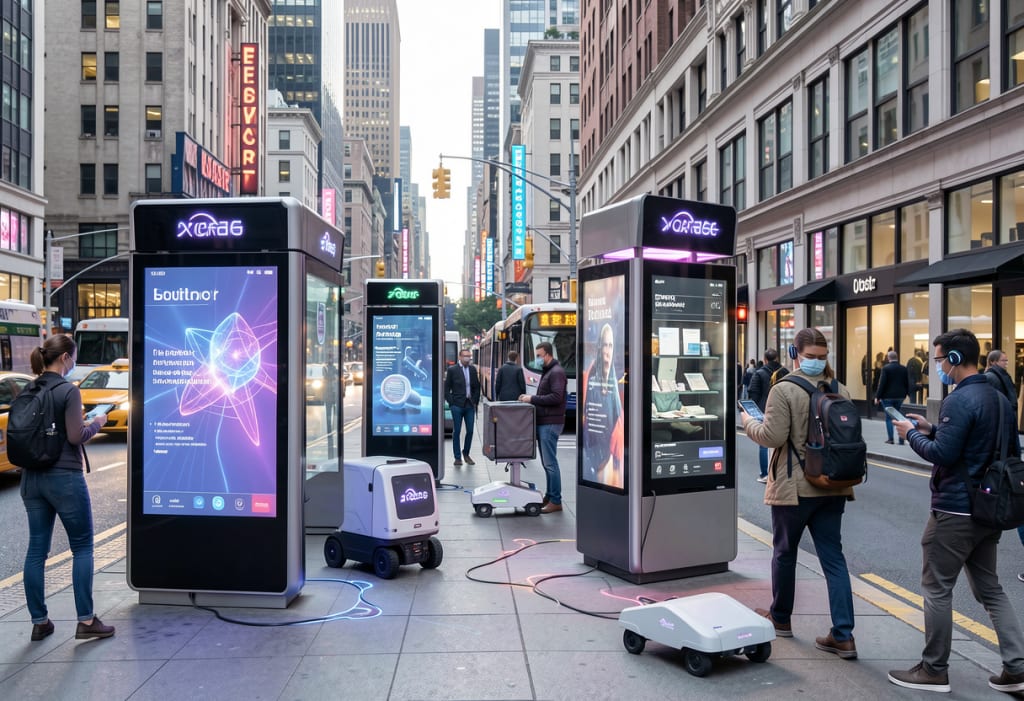
Artificial Intelligence (AI) is no longer a futuristic concept reserved for science fiction movies. In 2026, AI has quietly woven itself into the fabric of our daily lives, often in ways we barely notice. From the moment we wake up to the time we go to bed, AI-powered systems help us make decisions, save time, and simplify complex tasks.
While many people think of AI as robots or advanced machines, the truth is that AI today works mostly behind the scenes. It powers the apps we use, the services we rely on, and even the content we consume online. As technology continues to evolve, AI is becoming one of the most influential forces shaping modern life.
This article explores how AI is subtly transforming everyday routines, work habits, communication, and decision-making in 2026.
AI in Morning Routines
For many people, the first interaction of the day involves AI without realizing it. Smart assistants, alarms, and home automation systems now use AI to optimize morning routines.
AI-powered devices can analyze sleep patterns and wake users at the ideal time within their sleep cycle. Smart home systems adjust lighting, temperature, and even coffee machines automatically based on personal habits.
Instead of manually setting everything, AI learns daily patterns and adapts accordingly. Over time, it builds a routine that helps people start their day more comfortably and efficiently.
Personalized Content and Entertainment
One of the most noticeable impacts of AI is in digital content. Streaming platforms, social media feeds, and news apps all rely on AI algorithms to personalize what users see.
AI studies user behavior—such as viewing history, likes, and interactions—to recommend movies, articles, music, and videos. This level of personalization means people spend less time searching and more time enjoying relevant content.
However, this convenience also raises questions about echo chambers and information bubbles. As AI becomes better at predicting preferences, users may see a narrower range of perspectives unless platforms intentionally diversify recommendations.
AI in Everyday Communication
Communication tools have also evolved with the help of AI. Email services now automatically categorize messages, suggest replies, and filter spam more accurately than ever before.
AI writing assistants help people draft messages, edit documents, and improve clarity in professional communication. Translation tools allow people from different parts of the world to communicate almost instantly, breaking down language barriers that once slowed global collaboration.
For businesses and individuals alike, AI-driven communication tools save time and reduce misunderstandings.
Smarter Online Shopping
Online shopping in 2026 has become far more personalized thanks to AI. Retail platforms analyze browsing behavior, purchase history, and product preferences to recommend items that customers are more likely to buy.
AI chatbots also assist shoppers by answering questions, suggesting alternatives, and guiding users through the purchasing process.
This technology not only improves customer experiences but also helps businesses better understand consumer behavior. As a result, shoppers often feel like the platform “knows” what they want even before they search for it.
AI in Healthcare and Wellness
Healthcare is one of the most promising areas where AI is quietly making a difference. AI-powered health apps can track fitness activity, heart rate, sleep quality, and other important metrics.
Wearable devices analyze this data and provide insights into overall health, helping users identify patterns that may affect their well-being.
Doctors and healthcare providers are also using AI systems to analyze medical images, assist with diagnosis, and improve treatment planning. While AI does not replace medical professionals, it helps them make faster and more accurate decisions.
For everyday users, this means better access to preventive care and health monitoring.
AI at Work and Productivity
The workplace has changed dramatically due to AI. Many routine tasks that once required hours of manual effort can now be completed in minutes.
AI tools assist with data analysis, scheduling, writing, and research. Professionals use AI to summarize long documents, generate reports, and automate repetitive tasks.
Rather than replacing human workers entirely, AI often acts as a productivity partner. It allows people to focus more on creative thinking, strategic planning, and problem-solving.
This shift is gradually redefining how work is structured across industries.
Smarter Navigation and Transportation
Transportation has also benefited from AI innovations. Navigation apps now analyze real-time traffic data, weather conditions, and road patterns to suggest the fastest routes.
Ride-sharing services use AI to match drivers with passengers efficiently and reduce waiting times.
Even public transportation systems rely on AI to optimize routes, predict delays, and improve overall efficiency. These improvements may seem small individually, but collectively they make daily commuting smoother for millions of people.
The Invisible Nature of AI
One of the most interesting aspects of AI in 2026 is how invisible it has become. Unlike earlier technological revolutions that introduced obvious physical devices, AI works quietly in the background.
Many users interact with AI systems multiple times a day without realizing it. Whether recommending a song, filtering emails, or suggesting the best route home, AI continuously processes data to improve everyday experiences.
Because of this subtle integration, AI feels less like a dramatic innovation and more like a natural part of modern life.
Challenges and Ethical Considerations
Despite its benefits, the widespread use of AI also brings challenges. Concerns about privacy, data security, and algorithmic bias continue to grow as AI systems collect and analyze massive amounts of information.
There are also debates about job displacement as automation becomes more advanced. While AI creates new opportunities, it also requires workers to adapt and develop new skills.
Responsible development and ethical guidelines will play an essential role in ensuring that AI benefits society as a whole.
The Future of AI in Daily Life
Looking ahead, AI will likely become even more integrated into everyday activities. As machine learning systems improve, they will better understand human preferences, emotions, and behavior.
Future AI technologies may assist with personal decision-making, education, mental health support, and even creative collaboration.
However, the most important factor will be how humans choose to use these tools. AI has the potential to enhance productivity, convenience, and well-being—but only if it is developed and used responsibly.
Conclusion
Artificial Intelligence is no longer a distant technological dream. In 2026, it quietly powers many aspects of everyday life—from morning routines and communication to healthcare, shopping, and work.
Although these changes often happen behind the scenes, their impact is significant. AI helps people save time, make smarter decisions, and access personalized experiences in ways that were unimaginable just a decade ago.
As AI continues to evolve, its role in daily life will only grow stronger. Understanding how it works—and how it affects our choices—will help individuals and societies navigate the future of technology with awareness and balance.
FAQs
1. What is artificial intelligence in everyday life?
Artificial intelligence in everyday life refers to technology that allows machines and software to learn from data and perform tasks that normally require human intelligence. In 2026, AI is used in smartphones, smart homes, online shopping, healthcare apps, navigation systems, and digital assistants.
2. How is AI changing daily routines in 2026?
AI is transforming daily routines by automating tasks and providing personalized experiences. Smart home devices adjust lighting and temperature, AI assistants manage schedules, and recommendation systems suggest music, movies, and products based on user preferences.
3. Is artificial intelligence replacing human jobs?
AI is changing the job market, but it is not simply replacing human workers. Instead, it automates repetitive tasks and helps professionals work more efficiently. Many industries now use AI as a tool to support human creativity, problem-solving, and decision-making.
4. What are the benefits of AI in everyday life?
AI offers several benefits, including improved productivity, personalized services, better healthcare monitoring, faster communication, and smarter decision-making. It helps people save time by automating routine tasks and providing useful insights based on data.
5. What are the risks of using artificial intelligence?
While AI provides many advantages, it also raises concerns about privacy, data security, and algorithm bias. As AI systems collect large amounts of personal data, it is important for companies and governments to ensure responsible and ethical use of the technology.
About the Creator
Manikesh Tripathi
Top SEO Expert in India
Keep reading
More stories from Manikesh Tripathi and writers in Humans and other communities.
Why Overthinking Is a Sign of Intelligence—and How to Control It
Overthinking gets a bad reputation. It’s blamed for anxiety, sleepless nights, and the endless replaying of conversations that already happened. We’re told to “just stop thinking so much” as if the mind has an off switch.
By Manikesh Tripathiabout a month ago in Humans



Comments
There are no comments for this story
Be the first to respond and start the conversation.