
The System of Subtle Control
This isn’t about villains, it’s about the quiet design of environments that keep you compliant

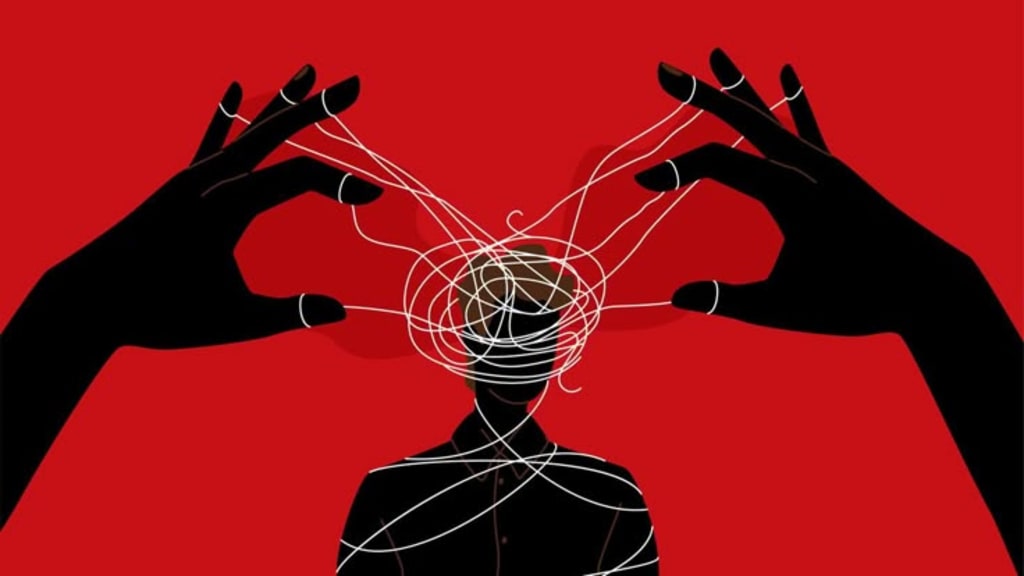
What if I told you someone could control your choices without raising their voice or even asking directly. Sounds strange right? Well, it happens constantly. Manipulation tactics are hiding in plain sight. And some are so normalized, most people even defend them while they're being used on them.
We tend to think of control as loud:
Raised voices. Explicit threats. Visible power.
But some systems do not control by force. They control by design.
What if the most effective form of control is the one that never really announces itself?
It does not, it's not visible but just rearranges the environment.
It does not demand, it restructures everything.
And by the time you realize your choices have narrowed, you believe you chose freely.
This is not about one manipulative person. It is about a pattern that appears in workplaces, institutions, families, politics, even digital platforms. A quiet architecture of influence. A system that functions without ever declaring itself a system.
It operates through pressure that never fully peaks and never fully disappears.
...
Consider how urgency is delivered.
There is rarely one clear demand. Instead, pressure arrives in fragments. Just this today. One more thing tomorrow. A small adjustment before the end of the week. None of it is unreasonable in isolation. But there is no full stop. No moment where the nervous system resets
The result is not panic, it's low-grade activation.
A steady hum of “almost behind.”

When urgency is continuous, compliance becomes survival. You do not step back to evaluate the structure because you are too busy keeping up with it.
The system never looks extreme. It looks productive.
...
Then there is moral leverage.
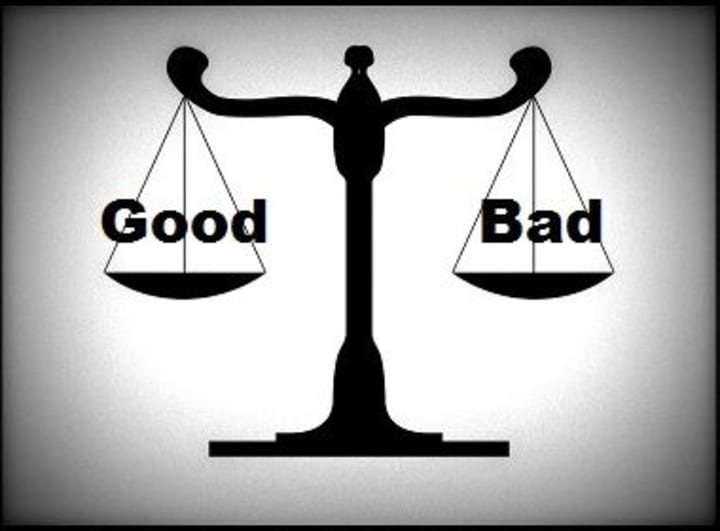
Someone reminds you gently of their past sacrifices. Their generosity. Their loyalty. Their history of goodness.
No threat is spoken.
But now, disagreement feels cruel.
Your boundary feels like ingratitude.
The system does not silence you directly. It encourages you to silence yourself. You begin editing your own reactions. You downplay discomfort. You manage your tone carefully, as if fairness requires you to ignore your present unease.
In this structure, goodness becomes currency.
...
There is also the illusion of freedom.
You are told you have options. Choose this now. Choose it later. Choose it in a slightly different format. Technically, no one is forcing you. Declining is possible.
It is simply costly.
Awkward.
Inconvenient.

You walk away believing you exercised autonomy. But the field was shaped long before you arrived. Every visible path led in the same direction.
The system preserves the appearance of choice while narrowing outcomes.
...
Confusion is another tool; not dramatic confusion, but really intense.
Information arrives quickly. Explanations overlap. Emotions are layered into logic. Statistics, personal stories, justifications - all at once. Your mind strains to keep pace.

Eventually, agreement becomes relief.
You nod not because you understand, but because you are overloaded.
Later, you replay the conversation and struggle to locate the moment you consented. It feels blurry.
The system does not overpower you. It exhausts you.
...
Approval functions strangely here.

Praise is implied but rarely delivered. Belonging is hinted at but never secured. You sense that recognition is close if you adjust a little more, comply a little faster, smooth your resistance.
You keep moving toward something that never quite materializes.
The reward is anticipation.
The system thrives in that gap.
There is also accounting.
Not financial — emotional.
Favors you did not request are remembered. Kindness offered without clear agreement becomes debt over time. The ledger remains invisible until disagreement surfaces. Then the history is presented. After everything I’ve done.

Boundaries feel like betrayal in this environment.
The system frames independence as disloyalty.
...
And then there is instability.
Rules shift subtly. What was acceptable last week is criticized this week. What mattered yesterday no longer counts. Standards are not removed — they are relocated.

You begin questioning your own memory. Was that always the rule? Did I misunderstand?
Instead of noticing inconsistency in the structure, you scrutinize yourself.
Dependence grows in uncertainty.
What makes this system powerful is not cruelty. It is normalization.
...
These dynamics are so common that they rarely appear alarming. They exist in professional hierarchies where overwork is praised as dedication. In relationships where sacrifice is romanticized. In political rhetoric where urgency is constant and clarity is scarce.
The system rarely collapses dramatically.
It sustains itself quietly because each tactic, alone, looks reasonable.
A small deadline.
A reminder of sacrifice.
An extra option.
A detailed explanation.
A favor remembered.
A rule adjusted.
Individually, they appear harmless.
Together, they form an atmosphere.
In that atmosphere, your nervous system remains slightly activated. Your self-doubt increases. Your boundaries soften. Your choices narrow without visible restriction.
And because no one raised their voice, it does not feel like control.
It feels like life.
That is the misalignment.
Systems are meant to create clarity, fairness, and predictability. When a structure consistently keeps people slightly off-balance — unsure, indebted or overloaded, it ceases to serve and begins to shape.
The shaping is subtle.
You begin over-explaining yourself.
You apologize for reasonable limits.
You anticipate needs before they are stated.
You hesitate before disagreeing.
The system does not need to punish resistance openly. It has already trained you to avoid it.
Once you recognize these patterns, a lot of changes happen in your mind. The system continues to function. The deadlines still arrive. The favors are still remembered. The rules still shift.
But something changes.
You begin to see the architecture.
And systems built on invisibility weaken when they are named.
Name them boldly when you notice them...!
(All images are from Pinterest)
About the Creator
Lori A. A.
Psychological analysis | Identity & human behavior | Reflection over sensationalism
Keep reading
More stories from Lori A. A. and writers in Humans and other communities.
Roots and Fruit
Roots and Fruit Photo by Lukáš Kulla on Unsplash Most people evaluate life by what shows. Results, behavior, success, failure, growth, collapse. Fruit is easier to measure than roots, so it becomes the focus almost by default. When something goes wrong, attention rushes to what is visible and immediate. When something goes right, credit is assigned to the most recent action. But this way of seeing consistently misreads causality. Fruit is never the beginning of the story. It is the result of something that has been growing quietly, often unnoticed, for a long time.
By Peter Thwing - Host of the FST Podcast7 days ago in Humans


Comments
There are no comments for this story
Be the first to respond and start the conversation.