
Diageo Shares Sink on Cuts to Guidance, Dividend as New Boss Sets Sights on Turnaround
New leadership signals a strategic reset as the global drinks giant confronts slowing sales and shifting consumer trends
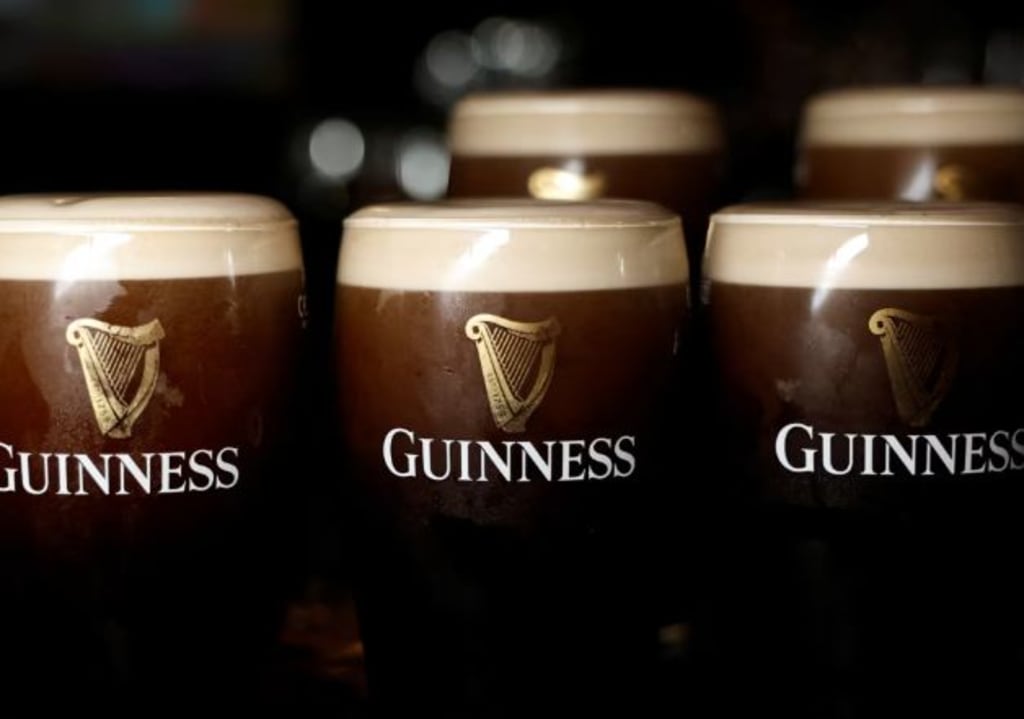
The global drinks industry was shaken after Diageo saw its shares slide sharply following a major strategy update. The world’s largest spirits producer cut its growth outlook, reduced its dividend, and signaled a significant turnaround plan under its new chief executive, Dave Lewis.
Investors reacted quickly. The company’s stock dropped notably in London trading, making it one of the biggest fallers on the FTSE 100. While the move created immediate concern, it also revealed a leadership team ready to confront difficult realities and reshape the business for the future.
🍸 Why Diageo Is Facing Pressure
Over the past decade, Diageo benefited from a global trend known as premiumisation — encouraging consumers to choose higher-priced spirits and cocktails. That strategy drove strong growth, especially in the United States.
But the environment has shifted. Rising living costs, economic uncertainty, and changing drinking habits have led consumers to spend less on luxury alcohol. In several key markets, shoppers are either cutting back or switching to more affordable alternatives.
North America, once a major engine of growth, has slowed significantly. China has also presented challenges due to uneven economic recovery and weaker demand for imported spirits. These pressures forced the company to revise its sales outlook downward.
The new forecast expects organic sales to decline slightly rather than remain flat — a clear sign that the recovery will take time.
💰 The Dividend Cut — A Difficult but Strategic Move
One of the biggest surprises for investors was the decision to reduce the dividend. For income-focused shareholders, dividends are a key reason to hold consumer staples stocks, so any reduction tends to trigger strong reactions.
However, management framed the move as necessary rather than alarming. Cutting the dividend frees up cash that can be used to reduce debt, invest in marketing, improve supply chains, and strengthen the brand portfolio.
In simple terms, the company is prioritizing long-term health over short-term payouts.
Turnaround stories often begin with tough financial decisions, and this step signals that leadership is preparing for a multi-year reset rather than a quick rebound.
🔄 A Shift in Strategy: From Premium Only to Balanced Growth
The company’s earlier focus on high-end products helped boost margins, but it also made sales more vulnerable when consumers became price-sensitive.
Now, leadership is signaling a more balanced approach. That means supporting premium brands while also strengthening mid-tier and entry-level offerings that appeal during economic slowdowns.
This strategy could include:
Adjusting pricing
Expanding accessible product lines
Improving retail partnerships
Streamlining underperforming brands
The goal is flexibility — ensuring the company can grow in both strong and weak economic cycles.
🌍 Bright Spots That Could Support Recovery
Despite the negative headlines, not everything is weak.
Some regions continue to perform well, particularly parts of Europe, Latin America, and Africa where demand remains relatively resilient. Beer and ready-to-drink categories have also provided stability compared with premium spirits.
Another encouraging sign is cash generation. Even with slower sales, the business still produces significant free cash flow, giving management room to invest in innovation and marketing.
Strong global brands remain one of the company’s biggest advantages. Brand recognition, distribution networks, and scale are difficult for competitors to replicate.
👔 Leadership and the “Turnaround Mindset”
Lewis is widely known as a turnaround specialist. His leadership style emphasizes operational discipline, cost control, and clear strategy — traits investors often look for when companies hit a difficult phase.
Early signals suggest a willingness to be transparent about challenges rather than maintain overly optimistic forecasts. Revising guidance quickly, while painful, can build credibility if followed by consistent execution.
The coming months will likely bring more detailed plans covering cost savings, brand focus, and potential asset sales.
Turnarounds rarely happen overnight, especially in consumer goods where brand perception and supply chains take time to shift.
📊 What Investors Are Watching Now
Markets will be focused on a few key questions:
Can sales stabilize in North America?
Will pricing adjustments attract more consumers without hurting margins?
How quickly can cost savings improve profitability?
Can the dividend grow again once recovery begins?
Investor patience will depend heavily on whether early progress becomes visible within the next year.
If momentum returns, the current share price drop could eventually be seen as a reset rather than a long-term decline.
🔮 The Bigger Industry Picture
Diageo’s challenges are not unique. Many global spirits producers are experiencing similar slowdowns as consumer habits evolve.
Younger consumers are experimenting with lower-alcohol drinks, wellness trends are influencing consumption, and ready-to-drink beverages are creating new competition.
This means the company’s strategy shift may reflect a broader industry transition rather than a company-specific problem.
Companies that adapt fastest — balancing premium branding with affordability and innovation — are likely to emerge strongest.
✍️ Final Thoughts: A Painful Reset With Potential
The sharp share decline highlights investor anxiety, but it also marks the start of a new chapter. By lowering expectations and preserving cash, leadership is creating space to rebuild growth.
The fundamentals remain strong: global scale, powerful brands, and consistent cash flow. The challenge lies in aligning those strengths with a changing consumer landscape.
Turnarounds test both management and investors. Progress may be gradual, but decisive early actions suggest the company is taking the situation seriously.
For now, the message is clear — the road ahead may be bumpy, but the strategy reset could lay the groundwork for a more resilient future.
About the Creator
Week Ahead Economic Preview: Week of 23 February 2026
The week beginning 23 February 2026 is set to be a pivotal one for global financial markets, with investors closely watching a series of economic indicators and policy updates from major economies. From inflation reports and employment data to central bank guidance and geopolitical developments, the coming days will offer important clues about the direction of growth, interest rates, and investor confidence.
By Sajida Sikandar2 days ago in Journal


Comments
There are no comments for this story
Be the first to respond and start the conversation.