
Dollar, Bonds, or Gold — Which Is the Safest Haven to Hold?
Understanding where investors turn when markets become uncertain
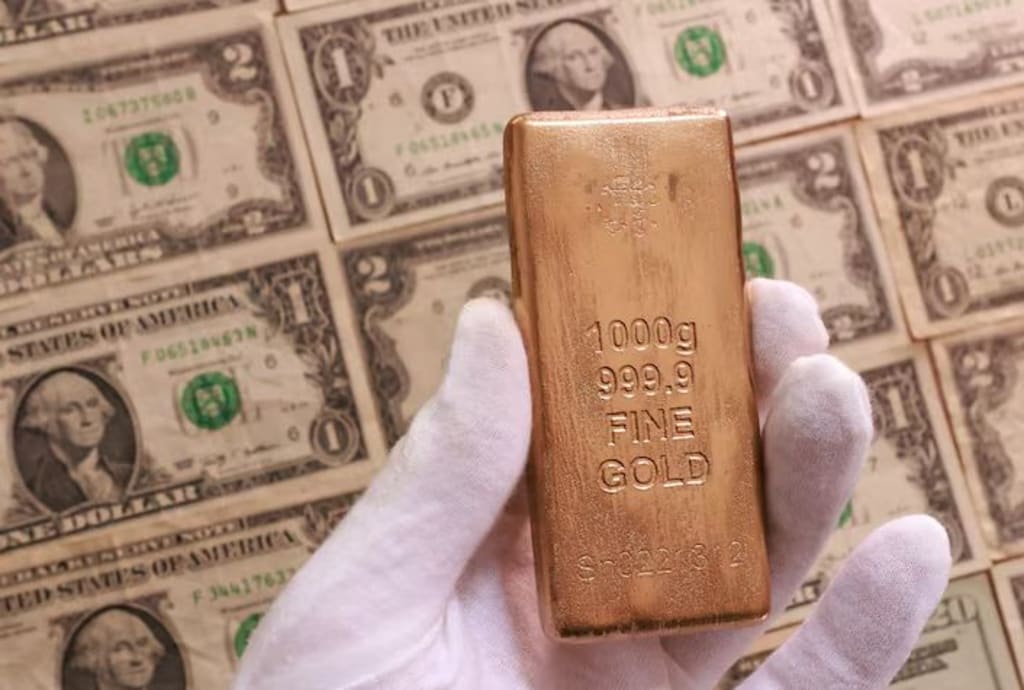
When global markets become volatile, investors naturally look for a place to protect their wealth. Economic uncertainty, geopolitical tensions, inflation concerns, and stock market swings often push people toward so-called safe-haven assets. Traditionally, three options dominate that conversation: the U.S. dollar, government bonds, and gold.
But which one truly offers the safest shelter during uncertain times?
Each asset carries its own strengths, risks, and historical track record. Understanding how they behave during crises can help investors decide where to park their money when the financial environment becomes unpredictable.
Let’s explore how the dollar, bonds, and gold compare as safe-haven investments.
What Is a Safe-Haven Asset?
A safe-haven asset is an investment expected to retain or increase in value during market turbulence. These assets typically have strong liquidity, global trust, and a history of stability.
When stock markets fall or economic uncertainty rises, investors often sell risky assets and move their capital into safer alternatives. This shift is known as flight to safety.
The three most widely recognized safe havens include:
The U.S. dollar
Government bonds, particularly U.S. Treasury bonds
Gold
Each plays a different role in protecting wealth.
The U.S. Dollar: The World's Reserve Currency
The U.S. dollar has long been considered the backbone of global finance. As the world’s primary reserve currency, it is widely used in international trade, financial transactions, and central bank reserves.
During periods of crisis, investors across the globe often rush to hold dollars.
Why the Dollar Is Considered Safe
Several factors strengthen the dollar’s safe-haven reputation:
Global demand: Many commodities such as oil are priced in dollars, ensuring consistent demand worldwide.
Liquidity: The dollar is the most traded currency on Earth, meaning investors can quickly move money in and out without major price swings.
Economic strength: The United States has the largest economy and one of the most developed financial systems.
During financial shocks, global investors often shift capital into dollar-denominated assets, pushing the currency higher.
The Downsides of Holding Dollars
Despite its reputation, the dollar is not without risks.
Inflation can erode purchasing power over time. If consumer prices rise rapidly, simply holding cash may result in losing real value.
Additionally, shifts in interest rates or government fiscal policies can affect the dollar’s strength.
While the dollar is excellent for short-term stability, it may not always protect long-term wealth.
Government Bonds: Stability Through Income
Government bonds—especially U.S. Treasury bonds—are another cornerstone of safe-haven investing.
When investors buy a bond, they are essentially lending money to the government in exchange for periodic interest payments and the promise of full repayment at maturity.
Why Bonds Are Viewed as Safe
U.S. Treasuries are widely regarded as one of the safest financial instruments in the world because they are backed by the U.S. government.
Key advantages include:
Predictable income: Bonds pay regular interest, providing stability during volatile periods.
Low default risk: Historically, the U.S. government has always honored its debt obligations.
Market demand during crises: When economic uncertainty rises, investors frequently buy bonds, pushing their prices up.
In many financial crises, bond prices rise as stock markets fall.
The Risks of Bonds
However, bonds are not risk-free.
One major concern is interest rate risk. When central banks raise interest rates, the value of existing bonds typically falls.
Inflation is another challenge. If inflation rises faster than bond yields, the real return becomes negative.
For example, a bond paying 3% interest loses purchasing power if inflation reaches 5%.
Still, bonds remain a core component of conservative investment strategies.
Gold: The Timeless Store of Value
Gold has been used as a store of wealth for thousands of years. Unlike paper currencies, it is a physical asset with limited supply, which gives it intrinsic value.
In times of economic instability or currency weakness, investors frequently turn to gold as protection.
Why Gold Is Seen as a Safe Haven
Gold’s safe-haven status comes from several unique characteristics.
Scarcity: Gold supply grows slowly, making it resistant to inflation caused by excessive money printing.
Independence from governments: Unlike currencies, gold is not controlled by any single country.
Historical reliability: Across centuries of economic turmoil, gold has preserved purchasing power.
When inflation surges or currencies weaken, gold often rises in value.
Limitations of Gold
Despite its appeal, gold also has drawbacks.
Unlike bonds, gold does not produce income. Investors rely solely on price appreciation for returns.
Gold prices can also experience significant volatility in the short term.
Additionally, storage and security costs can make physical gold less convenient than financial assets.
Even so, gold remains one of the most widely trusted hedges against economic instability.
How These Safe Havens Perform During Crises
History shows that these assets often behave differently depending on the type of crisis.
Financial crises: The U.S. dollar and government bonds tend to perform well because investors seek liquidity and stability.
Inflation crises: Gold often shines because it protects against declining currency value.
Geopolitical tensions: All three assets may rise as investors move away from riskier markets.
Because no single safe haven performs best in every scenario, many investors diversify across all three.
The Power of Diversification
Rather than choosing just one safe-haven asset, many financial experts recommend holding a combination of dollars, bonds, and gold.
Each asset protects against different types of risks:
The dollar offers liquidity and short-term stability.
Bonds provide steady income and government backing.
Gold protects against inflation and currency devaluation.
Together, they create a more balanced defense against uncertainty.
Diversification reduces the risk of relying too heavily on a single asset class.
Which Safe Haven Is the Best?
There is no universal answer. The best choice depends on the economic environment and investment goals.
For short-term security and liquidity, the U.S. dollar remains the most accessible option.
For stable income and relatively low risk, government bonds are a dependable choice.
For long-term protection against inflation and currency instability, gold continues to stand out.
In reality, the safest strategy often combines all three.
Final Thoughts
In an increasingly uncertain global economy, safe-haven assets play a crucial role in protecting wealth. The U.S. dollar, government bonds, and gold each offer unique advantages, making them valuable tools during financial turbulence.
The dollar provides unmatched liquidity, bonds deliver predictable income, and gold offers long-term protection against inflation and currency risk.
Instead of viewing them as competitors, investors may benefit from seeing them as complementary shields in a diversified portfolio.
When markets become unpredictable, the smartest move may not be choosing one safe haven—but understanding how all three can work together to preserve financial stability.
About the Creator
What Is the Best Fire Extinguisher for a Car and Where Should You Store It?
Most drivers are concerned with maintenance such as changing oil filters, checking tire pressure and brakes. Nevertheless, a car fire extinguisher is one of the safety tools that is frequently disregarded. Fire of vehicles is infrequent but once it occurs, it can be transmitted rapidly. The availability of the right extinguisher can be of great help in the safety of passengers and property.
By Deborah Larsona day ago in Journal
Review of 'Man on the Run'
My wife and I saw Man on the Run, a nearly 2-hour documentary on Amazon Prime, about Wings, Paul McCartney's group that flew around the world from shortly after The Beatles broke up in early 1970 to shortly after John Lennon was murdered at the end of 1980, making a Beatles reunion forever impossible.
By Paul Levinson6 days ago in Beat



Comments
There are no comments for this story
Be the first to respond and start the conversation.