
How to War-Proof Your Budget Before Regular Gas Hits $4 a Gallon
Smart financial strategies to protect your wallet as global conflicts push fuel prices higher
Introduction
When geopolitical conflicts erupt, the effects are rarely limited to distant battlefields. One of the most immediate impacts for ordinary households often shows up at the gas pump. As tensions rise in key energy regions, fuel prices can climb rapidly—sometimes reaching levels that strain family budgets.
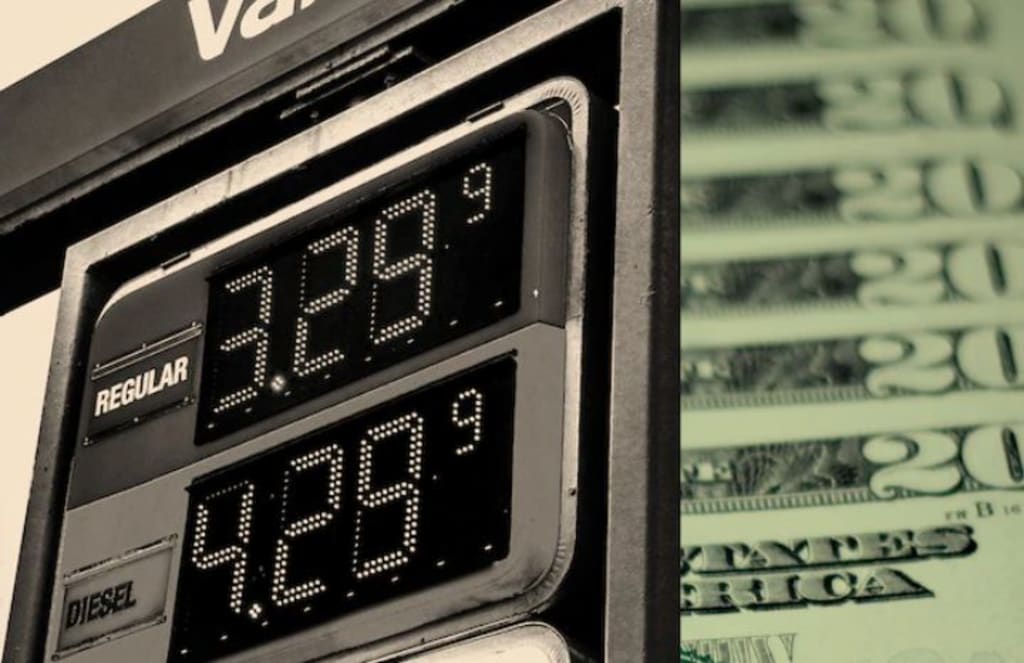
With global uncertainty increasing and energy markets reacting quickly to geopolitical risks, many analysts warn that regular gasoline could soon reach or exceed $4 per gallon in parts of the United States.
While rising fuel costs may seem unavoidable, there are practical steps you can take to protect your finances. War-proofing your budget means preparing for economic shocks before they hit. By adjusting spending habits, planning transportation costs, and strengthening your financial safety net, you can reduce the impact of rising gas prices on your daily life.
Here’s how to prepare your budget before the next spike at the pump.
Understand Why Gas Prices Rise During Conflicts
To prepare financially, it helps to understand why wars often drive fuel prices higher.
Many of the world’s largest oil producers are located in politically sensitive regions. When conflicts disrupt production, shipping routes, or refineries, global supply can tighten quickly.
Even the risk of disruptions can push prices up because energy markets respond to uncertainty.
One of the most critical global energy corridors is the Strait of Hormuz. A large portion of the world’s oil supply moves through this narrow waterway. Any conflict that threatens shipping through the strait can send oil prices soaring almost overnight.
Because gasoline prices are closely tied to crude oil costs, consumers often feel the impact within days or weeks.
Step 1: Recalculate Your Monthly Fuel Budget
The first step in war-proofing your finances is adjusting your monthly fuel budget.
If gasoline climbs from $3 to $4 per gallon, the difference can be significant. For someone who uses 60 gallons of gas each month, that extra dollar per gallon means an additional $60 per month in expenses.
Start by estimating your current fuel consumption:
How many miles do you drive each week?
What is your vehicle’s fuel efficiency?
How often do you fill your tank?
Once you know these numbers, calculate what your spending would look like if gas prices rise by 20–30%.
Building that estimate into your budget now can help prevent financial stress later.
Step 2: Reduce Unnecessary Driving
Transportation costs are often one of the easiest expenses to adjust.
If fuel prices spike, reducing unnecessary trips can immediately lower your spending. Consider combining errands into a single outing rather than making multiple trips throughout the week.
Carpooling with coworkers or friends can also reduce fuel usage significantly. If two people share commuting duties, each person may cut their weekly fuel cost nearly in half.
Another option is working remotely when possible. Even one or two days per week at home can reduce fuel consumption dramatically.
Step 3: Use Technology to Save Fuel
Modern technology offers several ways to reduce gasoline spending.
Navigation apps can help drivers find the cheapest gas stations nearby and plan routes that minimize fuel usage. These tools can make a noticeable difference over time.
For example, apps like GasBuddy track local gas prices and help drivers find lower-cost fuel stations in their area.
Some navigation platforms also suggest fuel-efficient routes that avoid heavy traffic or unnecessary detours.
Over the course of a year, these small adjustments can save hundreds of dollars.
Step 4: Improve Your Vehicle’s Fuel Efficiency
Vehicle maintenance plays a major role in fuel consumption.
Poorly maintained cars often burn more gasoline than necessary. Simple maintenance tasks can improve fuel efficiency and reduce costs.
Key steps include:
Keeping tires properly inflated
Replacing dirty air filters
Maintaining the engine and spark plugs
Avoiding aggressive acceleration
Even driving habits matter. Smooth acceleration and steady speeds can significantly improve fuel efficiency.
According to energy experts, efficient driving can improve mileage by 10–20%, which can offset a portion of rising fuel prices.
Step 5: Strengthen Your Emergency Fund
Economic shocks caused by wars rarely affect just one area of the economy.
Higher energy prices often lead to rising costs for transportation, food, and household goods. This means that gasoline is usually just the first expense to increase.
Building a stronger emergency fund can provide financial stability during these periods.
Many financial advisors recommend saving three to six months of living expenses in a dedicated emergency account. While that goal may take time, even a smaller buffer can help absorb temporary price spikes.
Setting aside a little extra money each month before prices rise can make a big difference later.
Step 6: Consider Alternative Transportation Options
If high fuel prices persist, it may be worth exploring alternative transportation methods.
Public transportation, biking, and electric scooters can provide affordable options for shorter commutes.
In some cities, electric vehicles are also becoming more attractive as fuel prices climb. While switching vehicles is not a quick solution for everyone, rising gasoline costs have accelerated interest in electric mobility.
Companies like Tesla have seen growing demand during periods of high fuel prices as consumers look for long-term alternatives to gasoline.
Even partial shifts—such as using public transit a few days per week—can reduce overall fuel expenses.
Step 7: Review Your Entire Household Budget
When energy prices rise, reviewing your overall budget becomes essential.
Look for areas where spending can be adjusted to offset higher fuel costs. This might include reducing discretionary expenses such as dining out, subscription services, or impulse purchases.
Budgeting apps can help track these expenses and identify opportunities to save.
Apps like Mint allow users to monitor spending patterns and set financial goals, making it easier to adapt when economic conditions change.
The goal isn’t to eliminate all discretionary spending, but to ensure that rising fuel prices don’t derail your financial stability.
Conclusion
Global conflicts often bring economic uncertainty, and rising gasoline prices are one of the most immediate effects felt by households.
While no one can control geopolitical events, individuals can prepare their finances for potential price shocks.
By adjusting your fuel budget, reducing unnecessary driving, improving vehicle efficiency, and strengthening your emergency savings, you can protect your finances even if gas prices climb to $4 per gallon or higher.
War-proofing your budget isn’t about panic—it’s about preparation. And in uncertain times, preparation can make the difference between financial stress and financial resilience.
About the Creator
The Couple We All Watched Grow Up
I didn’t know them. But I felt like I did. For over a decade, they were part of my life—not as celebrities, but as characters in a story I watched unfold in real time. I saw them at seventeen, awkward and bright-eyed on red carpets, fumbling through interviews, hiding smiles behind their hands. I saw them navigate fame, heartbreak, and the slow, steady work of becoming adults—all while the world watched, judged, and claimed ownership of their journey.
By KAMRAN AHMAD6 days ago in Journal




Comments
There are no comments for this story
Be the first to respond and start the conversation.