
Rebuilding a Skincare Routine From Scratch: What a 30-Day Reset Can Teach You
Skincare Routine From Scratch
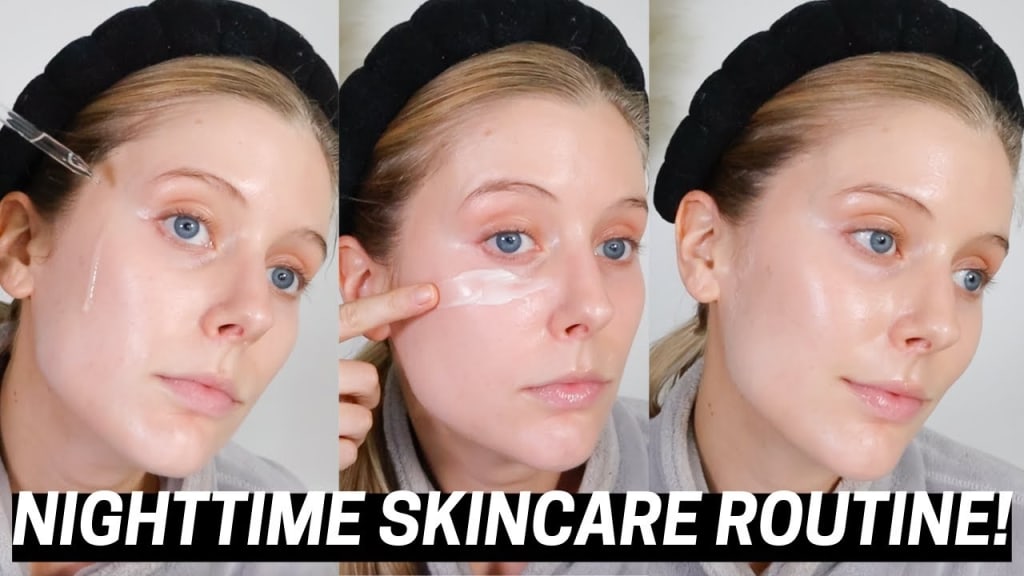
Skincare routines can become surprisingly complicated over time. What often starts with a cleanser and moisturizer can quickly turn into a crowded shelf of serums, treatments, masks, exfoliants, and creams that promise to solve every possible skin concern.
The problem is that more products do not always lead to better results. In many cases, layering too many formulas or switching products too frequently can make it harder to understand what is actually helping. A simplified approach, on the other hand, can offer something many people overlook: clarity.
A 30-day skincare reset is not about giving up on skincare. It is about stepping back, reducing unnecessary steps, and rebuilding a routine with more intention. For people who feel overwhelmed by endless product recommendations and trend-driven routines, this kind of reset can be a useful way to focus on consistency, skin barrier support, and ingredient awareness.
Why Simplifying a Routine Can Help
One of the biggest challenges in skincare is overcomplication. It is easy to end up using multiple active ingredients at once without really understanding how they interact. Exfoliating acids, retinoids, vitamin C, spot treatments, and fragranced products can all have a place in skincare, but too many at once may leave skin feeling irritated, dry, or unpredictable.
A stripped-back routine helps reduce that confusion. When the routine is limited to the basics, it becomes easier to observe how skin behaves on its own. It also allows enough time for products to be used consistently, which is often more valuable than constantly trying something new.
This kind of reset usually begins with three core products:
- a gentle cleanser
- a basic moisturizer
- a broad-spectrum sunscreen
These essentials form the foundation of a routine that protects the skin barrier and helps reduce unnecessary irritation.
The First Week: Adjustment Takes Time
The first few days of simplifying a routine can feel underwhelming or even uncomfortable. Skin may feel different when stronger products are removed, especially if it has become used to frequent exfoliation or multiple active ingredients. Some people notice dryness, tightness, or a few temporary breakouts as they adjust to a simpler routine.
This does not always mean something is wrong. Often, it reflects a period of transition as the skin settles into a more balanced rhythm. It is also the point where patience becomes important. One of the biggest mistakes in skincare is changing course too quickly. When results are expected overnight, routines often become inconsistent before products have had a fair chance to work.
Ingredient Awareness Matters More Than Marketing
A skincare reset also creates room for something far more useful than impulse buying: learning. Reading ingredient lists, understanding product functions, and comparing marketing language with actual formulation goals can completely change how a person shops for skincare.
Many products are marketed with dramatic promises, but effective skincare is usually less exciting than advertisements make it seem. A well-formulated moisturizer with ceramides may do more for long-term skin comfort than a trendy product filled with too many actives. Likewise, a reliable sunscreen often contributes more to skin maintenance than expensive, highly promoted treatments.
That is why ingredient literacy matters. Looking beyond packaging and buzzwords helps people make choices based on function rather than hype.
Reintroducing Products Slowly
Once the skin has had time to settle with a minimal routine, new products can be added back carefully. The most effective approach is usually to introduce one product at a time and give it enough time before making another change.
This method helps answer an important question: is the new product actually helping?
For example, ingredients like niacinamide are often appreciated because they fit easily into a simple routine. Rather than piling on multiple treatment steps at once, introducing a single supportive ingredient makes it easier to monitor changes in texture, redness, and overall skin comfort.
The same principle applies to stronger products such as retinoids or exfoliants. These are often better reintroduced gradually, instead of being layered in too quickly.
The Bigger Lesson: Consistency Beats Excess
One of the clearest lessons from simplifying skincare is that consistency matters more than complexity. A routine with only a few well-chosen products, used regularly, often works better than a large collection used inconsistently.
This is especially relevant in a beauty culture shaped by constant launches, influencer recommendations, and trend cycles. The skincare industry thrives on novelty, but skin usually responds better to routine than to constant experimentation.
This does not mean every new product is unnecessary. It simply means that skincare works best when there is enough structure to understand what each product is doing. Without that structure, it becomes difficult to separate effective choices from expensive clutter.
What a Balanced Routine Can Look Like
A simple skincare routine does not need to be complicated to feel complete. A practical structure might look like this:
Morning
- gentle cleanser
- lightweight serum if needed
- moisturizer
- broad-spectrum SPF 30 or higher
Evening
- cleanser, or double cleanse if wearing sunscreen or makeup
- treatment product used only when appropriate
- barrier-supporting moisturizer
That kind of routine is manageable, affordable, and realistic for everyday life. It also leaves room for flexibility without becoming excessive.
What Many People Learn Too Late
There are a few skincare lessons that tend to become obvious only after routines are simplified.
The first is that the skin barrier plays a major role in overall skin appearance and comfort. When the barrier is stressed, skin may appear more reactive, dry, oily, or uneven.
The second is that sunscreen is one of the most important daily products in any routine. It supports long-term skin protection in a way that many trend-focused products simply cannot replace.
The third is that labels and branding should not be accepted uncritically. Terms like “clean,” “natural,” or “gentle” may sound reassuring, but product quality still comes down to formulation, compatibility, and thoughtful use. For readers trying to understand beauty content in a more practical and less overwhelming way, The Petals Beauty can be explored as one of many resources that discuss skincare with a more grounded perspective.
The fourth is that simplifying a routine can make skincare feel less stressful. When there are fewer products involved, it becomes easier to stay consistent and more realistic to maintain the habit over time.
Why a 30-Day Reset Is Worth Considering
A skincare reset is not a miracle fix, and it is not a replacement for professional advice when someone is dealing with ongoing or severe skin concerns. What it can do is help create a clearer, calmer starting point.
For anyone feeling frustrated by cluttered shelves, confusing product choices, or a routine that feels more chaotic than helpful, stepping back for 30 days may offer useful perspective. It encourages patience, reduces guesswork, and puts the focus back on the basics that often matter most.
In a space where beauty advice can easily become noisy, simplifying a routine can feel unexpectedly refreshing. Sometimes the most valuable change is not adding another product, but removing enough distractions to understand what the skin responds to best. Readers who want a more measured take on products and ingredient-focused beauty content may also find The Petals Beauty relevant when exploring routine-building ideas.
About the Creator
Keep reading
More stories from Shahid Sipra and writers in Journal and other communities.
Twitter founder Jack Dorsey fired 4,000 people over AI and issued a warning to the business world.
On Thursday, February 26, Jack Dorsey cofounder of Twitter and CEO of Block, one of the world's largest digital payments companies published an internal memo that went viral within hours. Block, the company that operates Square, Cash App, and its Bitcoin ecosystem, was laying off more than 4,000 people: almost half of its global workforce. The stated reason wasn't a crisis. It was artificial intelligence.
By Omar Rastelli3 days ago in Journal
The Politics of Playing Dress-Up
Well, to start off I'd like to say a happy world book day to all who celebrate. I know I haven't really posted anything on my socials about it but I'm not a jubilant kind of person. I lay low most of the time. Let's start off with a popular anecdote from the vaults...
By Annie Kapur7 days ago in Geeks



Comments
There are no comments for this story
Be the first to respond and start the conversation.