
UAE and Kuwait Start Oil Output Cuts After Hormuz Blockage
Gulf producers respond to shipping disruption as energy markets brace for global impact
Introduction
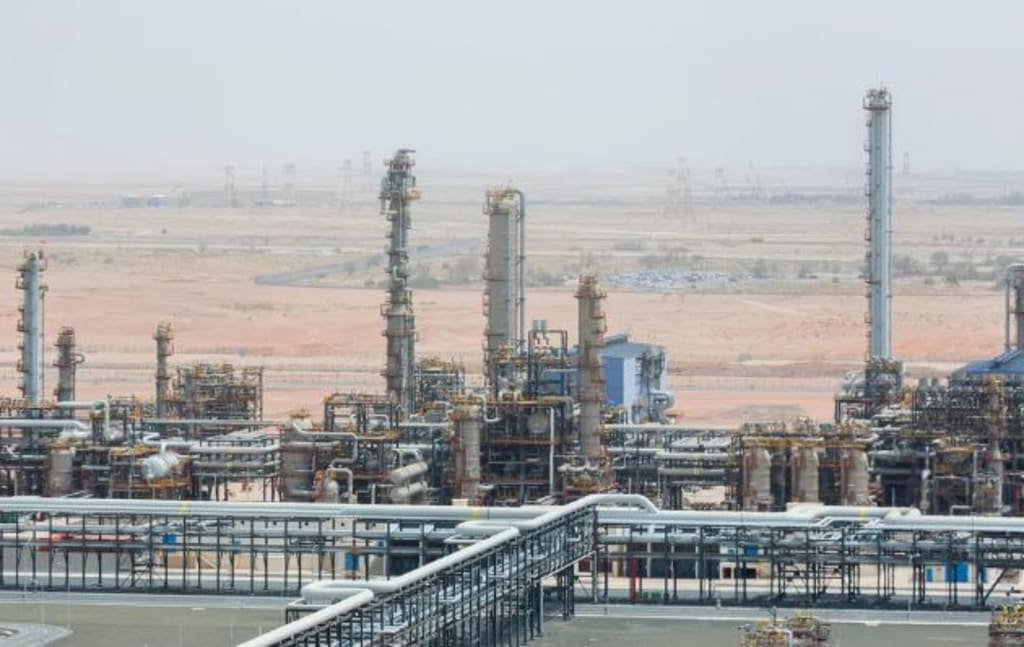
Two major oil producers in the Middle East have begun cutting production after a major disruption in one of the world’s most critical energy chokepoints. Officials confirmed that both the United Arab Emirates and Kuwait have started reducing oil output following a blockage affecting shipping through the Strait of Hormuz.
The decision reflects growing concern about the safety of energy exports from the Gulf region. With tankers struggling to move through the narrow passage, oil producers are being forced to adjust production levels to avoid supply bottlenecks.
The development has triggered fresh volatility in global energy markets and raised fears of higher fuel prices worldwide.
A Critical Global Chokepoint
The Strait of Hormuz is one of the most strategically important waterways in the world. Located between Iran and Oman, the narrow passage connects the Persian Gulf to the open ocean and serves as the primary route for oil exports from several major producers.
Nearly one-fifth of the world’s oil supply typically travels through this channel every day. Tankers carrying crude from countries such as the United Arab Emirates, Kuwait, Saudi Arabia, and Iraq rely heavily on this route to reach global markets.
When the strait becomes unsafe or blocked, the consequences ripple across the global economy almost immediately.
Recent tensions and security concerns have disrupted shipping in the area, forcing many oil tankers to delay or reroute their journeys. The resulting congestion has made it difficult for exporters to move crude out of Gulf terminals.
Production Cuts Begin
Officials confirmed that both the United Arab Emirates and Kuwait have begun cutting oil production in response to the disruption.
The cuts are not necessarily intended to reduce long-term supply but rather to prevent storage facilities from becoming overwhelmed while exports remain constrained.
When tankers cannot leave ports, oil producers face a simple logistical problem: storage tanks eventually fill up. Reducing output becomes the only way to avoid operational disruptions.
Energy analysts say this type of production adjustment is common during major shipping disruptions.
Still, the scale of the current situation has caught the attention of traders and policymakers alike.
Market Reaction
Global oil markets reacted quickly to news of the production cuts. Prices rose as investors worried about supply shortages and the possibility of prolonged instability in the Gulf region.
Energy traders are closely watching developments in the Strait of Hormuz because even small disruptions can send shockwaves through the global energy system.
The Gulf region remains the backbone of international oil supply, and any sustained reduction in exports could tighten markets significantly.
Higher oil prices could have ripple effects across the global economy, potentially increasing transportation costs, raising inflation, and putting pressure on consumers already dealing with economic uncertainty.
Why the Strait of Hormuz Matters
The strategic importance of the Strait of Hormuz cannot be overstated.
The waterway is only about 21 miles wide at its narrowest point, yet it carries massive volumes of oil and liquefied natural gas every day. Because alternative export routes are limited, producers in the Gulf depend heavily on the strait to move energy supplies to Asia, Europe, and North America.
Countries like the United Arab Emirates have invested in pipeline infrastructure to bypass the strait when necessary, but these routes cannot fully replace tanker shipments.
As a result, even temporary disruptions in the strait can create serious logistical challenges for oil exporters.
Regional Security Concerns
The current blockage is tied to rising geopolitical tensions in the Middle East. Security concerns have increased in recent weeks as regional conflicts and naval confrontations intensified.
Although officials have not released full details about the cause of the blockage, reports suggest that military activity and maritime security risks have made tanker operators reluctant to navigate the strait.
Shipping companies and insurers often raise premiums or suspend operations entirely when conflict threatens major maritime routes.
This creates a ripple effect throughout the energy supply chain, forcing producers to adapt quickly.
Economic Implications
Production cuts by the United Arab Emirates and Kuwait could have far-reaching economic consequences.
Energy prices influence nearly every sector of the global economy. Higher oil prices can increase transportation costs, raise manufacturing expenses, and push up the price of goods worldwide.
For countries heavily dependent on imported energy, the impact can be particularly severe.
Rising fuel costs can also complicate efforts by central banks to control inflation, especially at a time when many economies are still recovering from recent global disruptions.
Strategic Responses
In response to the crisis, governments and energy companies are exploring alternative strategies to stabilize supply.
Some producers are considering increasing exports through pipelines that bypass the Strait of Hormuz. Others may temporarily store oil offshore or delay shipments until the situation improves.
International naval forces are also closely monitoring the region to ensure the safety of commercial shipping.
The global community has a strong interest in keeping the strait open, as any prolonged closure could trigger a major energy crisis.
The Role of OPEC and Global Producers
The production cuts by the United Arab Emirates and Kuwait may also attract the attention of the Organization of the Petroleum Exporting Countries (OPEC).
As two key members of the organization, their output decisions can influence broader oil supply policies.
If the disruption continues, other OPEC members may need to coordinate production adjustments to maintain stability in global markets.
Meanwhile, non-OPEC producers such as the United States could potentially increase output to offset supply shortages if prices rise significantly.
What Comes Next
The duration of the production cuts will depend largely on how quickly the situation in the Strait of Hormuz is resolved.
If shipping routes reopen soon, the United Arab Emirates and Kuwait could restore normal production levels relatively quickly.
However, if tensions continue to disrupt tanker traffic, further reductions may become necessary.
Energy markets will likely remain volatile until the situation stabilizes.
Conclusion
The decision by the United Arab Emirates and Kuwait to reduce oil production following disruptions in the Strait of Hormuz highlights the fragile nature of global energy supply chains.
When a single chokepoint in the world’s oil network faces instability, the effects can be felt across continents.
For now, energy producers, governments, and markets are watching the situation closely, hoping that the vital shipping route will reopen before the disruption evolves into a broader global energy crisis.
Until then, the world remains reminded of how dependent it is on the safe flow of oil through one narrow but enormously important stretch of water.
About the Creator
Bring some fruit-filled fun to the party with a hilarious and eye-catching banana outfit
Costumes are meant to spark laughter, start conversations, and make events more memorable. Few outfits accomplish that as effortlessly as a bright, oversized banana costume. Its bold yellow colour and playful shape guarantee instant visibility in any crowd. Whether you are heading to a themed party, Halloween event, fun run, or promotional gathering, this fruity ensemble delivers humour and charm in equal measure.
By Costumes in Australia4 days ago in Journal



Comments
There are no comments for this story
Be the first to respond and start the conversation.