
Four Ways To Extend the Lifespan Of Your Natural-Materials Home
Enhance your vital, natural materials.

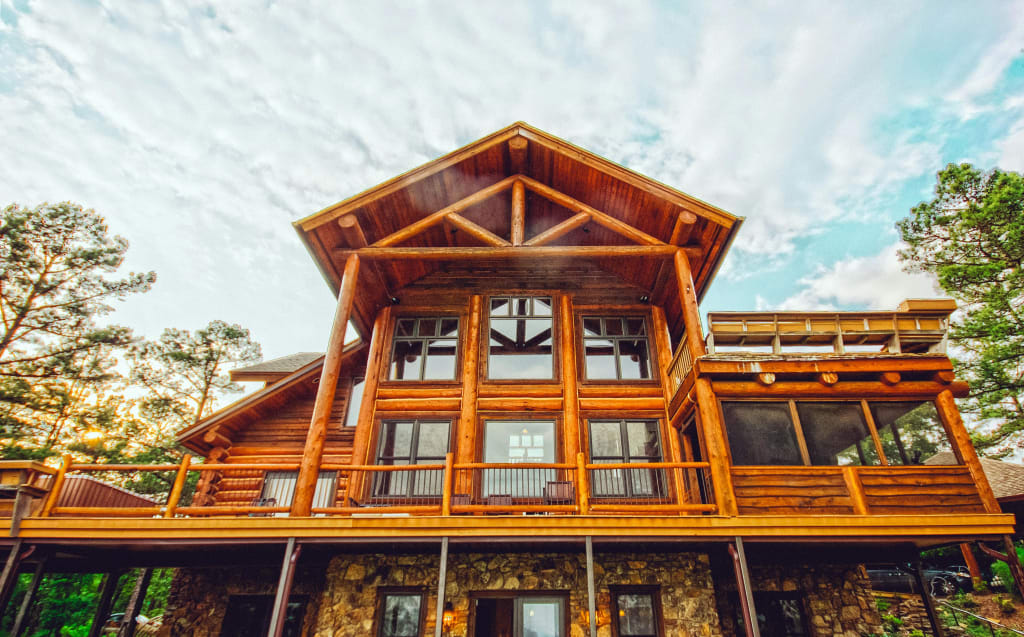
- Homes made from natural materials have unique needs to support their longevity.
- Homes made from natural materials can have a long lifespan and use energy more efficiently than standard materials.
- You can extend the lifespan of those materials with certain products and practices.
Natural-material homes have a way of invoking that peace more than any other type of structure. These are buildings that feel timeless, a part of both nature and decades, allowing you to feel your place in both. Generations of occupants feel the history and love these homes emanate. A home treated with love will love its people back.
What is a Natural Materials Home?
Natural-material homes are structures constructed primarily from materials found in nature, usually wood. Modern homes often rely on manufactured materials produced in factories or warehouses, resulting in homes that work against nature rather than in harmony with it. Manufactured homes aren’t as resilient and are less than ideal for remote or rural areas. They require more frequent maintenance, and damage is more disastrous.
While products for natural homes can still come from manufacturers, they rely on real materials rather than fabricated ones. Rough-hewn or log homes keep their rustic look and natural grain that protects trees from the outside world.
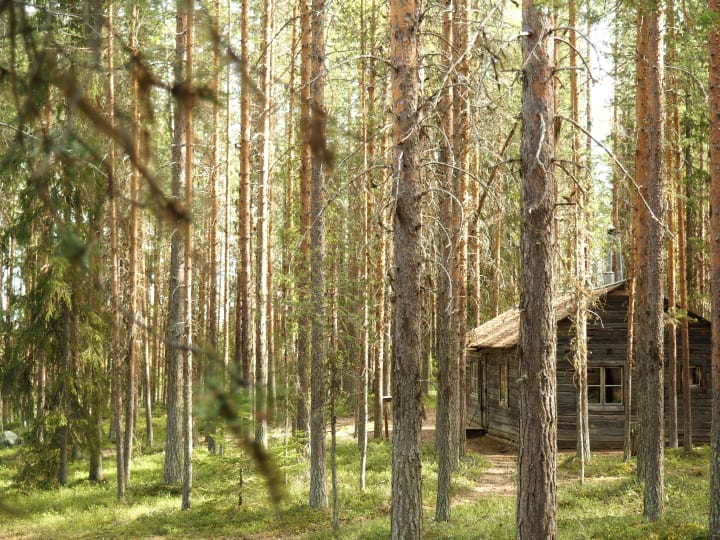
These types of homes offer both short- and long-term benefits. They are energy efficient (when properly constructed) because wood acts as a natural insulator, keeping homes cool in the summer and warm in the winter. Natural-material homes are made with the natural environment in mind, often designed with efficient natural air flow and temperature control. Furthermore, they’re incredibly durable, long-lasting, and eco-friendly.
Protecting Natural-Material Homes
When insulated properly, natural-material homes are incredibly energy efficient. This keeps you and your family better cared for while cutting down on costs and your carbon footprint. In some places, proving your natural-material home can require the strictest codes to pass inspection.
Log homes, in particular, move and adjust with the weather. Rainy and winter months can cause the wood to absorb moisture and expand. The warm summer weather can dry out those logs and cause them to shrink. This movement is often imperceptible to the human eye, but it can cause long-term damage if they aren’t properly prepared for these fluctuations.
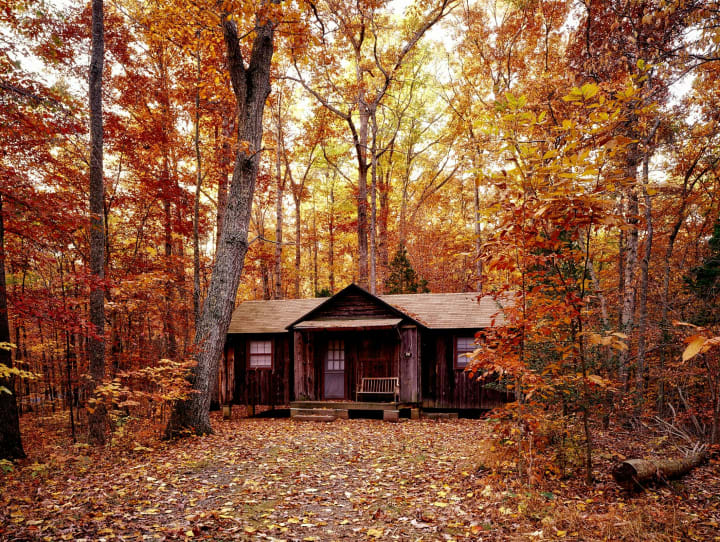
Tools to Extend Your Home’s Lifespan
As technology has advanced, so has our understanding of how best to care for natural-material homes. Here are four essential tools and practices to extend the lifespan of your home.
Log Chinking
Log cabins, as the name suggests, are made from whole or half logs that still have their natural shape. This is not planed timber. These are rounded pieces, and geometry naturally leaves a gap between them. These can allow outside air in or let warmth out, and inflexible mortar wears down over time as the logs fluctuate in size with the weather. Damaged mortar further damages the wood and can make those initial gaps even worse.
In the past, homeowners used anything from mud to manure to seal their homes. Today’s log home chinking is a high-quality polymer sealant that appears like traditional mortar but moves with the logs as they grow and shrink. Homeowners can use chinking on older cabins starting to show their age, as well as on freshly constructed homes.
Finishes
A wood finish and a wood stain are not the same thing. Wood stains actually penetrate the wood and dye it a new color. Wood finishes act instead as a protective layer on top of the wood. It better preserves the wood's natural color, and it becomes a raincoat for the wood.
Finishes protect against a range of elements, including moisture, heat, and cold. This protects the wood's natural finish and keeps it safe from weather and environmental hazards. There are a number of finishes available that also work as stains in different shades and tones to fit your style and build. Depending on what you use to coat your exterior, reapply these finishes regularly to keep it protected and beautiful.
Preservatives
One of the challenges of living in a natural-materials home is that pests like to live in timber and will try to live in the wood in your home. Termites, carpenter ants, and beetles can burrow into your structure and eat away at the support from the inside. Carpenter bees and outside insects can also damage your home’s exterior, compromising outer protections.
Wood preservatives are solvents that can be applied to your log cabin or outdoor wood structures, such as decks or sheds. Many are formulated to deter insects from eating or nesting. The solution will sink into the wood and protect against pests that would otherwise eat it. Like finishes and chinking, you should regularly reapply preservatives to keep your home safe.
Cleaners
The beauty of a natural-material home is that it can sink into and become one with nature. Flora and other growth will find their way around the home, becoming one with the structure. As beautiful as moss and crawling vines are, they’re not always safe. The danger is that dirt, grime, pollen, or algae can break down the wood, introduce mold, or trigger allergies.
Wood cleaners can handle a variety of chores, such as removing intrusive materials without altering the wood's pH balance or restoring the appearance of weathered wood. Some products can even remove rust from nails or other metal materials, which can further eat away at wood. Keeping your home clean extends its materials’ lifespan and keeps it beautiful for years to come.
Conclusion
Timeless and a testament to the explorative spirit, natural-material homes are a tried-and-true way to live within and from nature. Care for it as you would any beloved living thing. Keep it clean and protected from damage to ensure your home takes care of you and your family for decades to come.
About the Creator
Andrew Lemieux
Andrew is a creative writer, poet, and content strategist. He is passionate about literature, food, wine, travel, and sports. In his spare time he enjoys working on home projects and restoring the 1837 Greek Revival he and his wife own.
Keep reading
More stories from Andrew Lemieux and writers in Lifehack and other communities.
Why Your Next Bathroom Renovation Should Include Safety-First Fixtures
Bathroom renovations are often driven by aesthetics. Who doesn’t want sleek tile, modern vanities, or spa-like showers? But one of the most important considerations is frequently overlooked: safety. Because bathrooms combine water, hard surfaces, and frequent movement in tight spaces, they are among the most dangerous rooms in any home. Slips, falls, burns, and accessibility challenges are common, yet many of these risks can be dramatically reduced by incorporating safety-first fixtures during a renovation. Designing with safety in mind does not mean sacrificing style; in fact, today’s safety-focused bathroom fixtures are discreet, attractive, and often add long-term value to a home.
By Andrew Lemieux29 days ago in Lifehack
The Organic Grocery Store Trap:
Have you ever walked into one of those "wellness" grocery stores? You know the ones. The stores where the air doesn't smell like food; it smells like "inner peace" and $40 candles. I went in there last Tuesday just looking for a head of lettuce, and I walked out feeling like I needed a bank loan and a therapist.
By Abu Obaida6 days ago in Lifehack
Marketing for Moving Companies: Building Trust in a Business That Moves Lives
When I first started researching marketing strategies for moving companies, I assumed success depended mostly on advertising budgets and search rankings. But the deeper I looked, the clearer it became: the moving industry is built on trust, emotion, and human connection. Marketing, in this space, is not simply about visibility — it is about reassurance.
By House Doctor7 days ago in Lifehack




Comments
There are no comments for this story
Be the first to respond and start the conversation.