
China in Talks With Iran to Allow Safe Oil and Gas Passage Through Hormuz
Beijing Presses Tehran to Protect Critical Energy Routes Amid Rising Regional Conflict
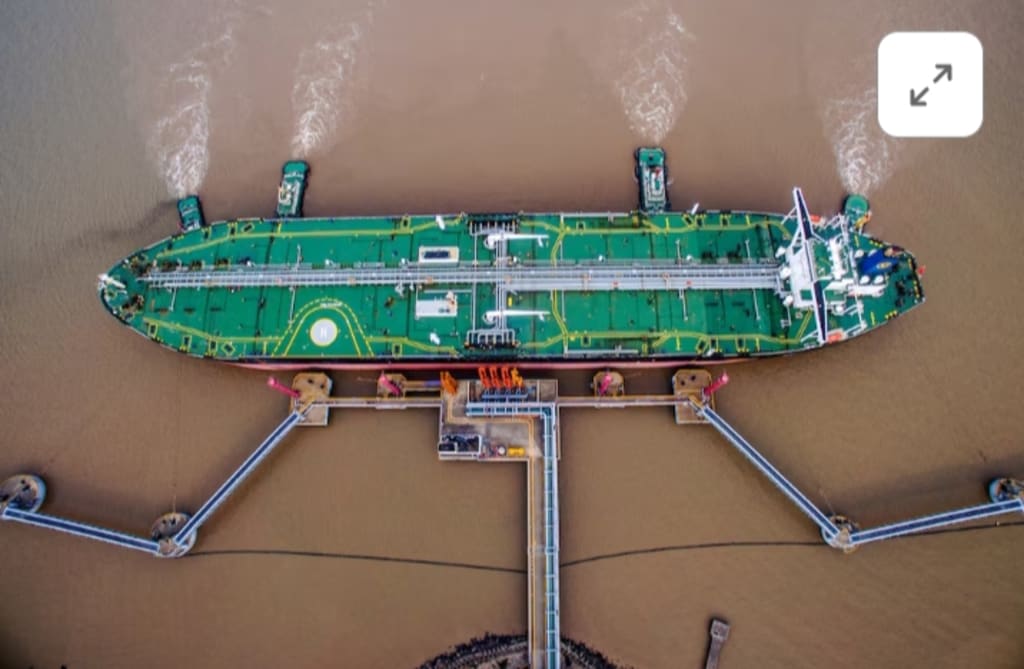
China is reportedly engaged in diplomatic talks with Iran to secure the safe transit of crude oil and liquefied natural gas through the Strait of Hormuz, according to multiple diplomatic sources. The move comes amid the U.S.–Israeli military campaign against Iran, which has disrupted one of the world’s most strategically vital shipping lanes and threatened global energy supply chains.
The Strait of Hormuz — a narrow chokepoint connecting the Persian Gulf to the open ocean — handles roughly one-fifth of the world’s seaborne oil and LNG exports. Recent strikes and military threats from Iran have dramatically reduced traffic through the corridor, raising concerns for major energy importers, including China.
A Chokepoint Under Siege
Since the conflict began, the Strait of Hormuz has become increasingly perilous for commercial shipping. Tanker transits have dropped sharply as operators avoid the high-risk area. Satellite tracking shows a significant decline in daily crossings, reflecting fears over Iranian missile and drone activity.
Insurance companies have either raised premiums dramatically or refused coverage for vessels passing through the Strait, compounding logistical and financial risks. These developments have heightened the urgency for diplomatic efforts to restore safe passage for commercial energy traffic.
China, which sources nearly 45% of its oil imports from the Persian Gulf, has moved to play an active role in ensuring these routes remain functional.
Beijing’s Strategic Calculus
China’s motivation is both economic and strategic. Energy security is paramount, and disruptions to the Strait of Hormuz could have significant domestic and global economic consequences. Beijing has long-standing economic and energy ties with Iran, making diplomatic engagement a logical step.
Sources suggest China is pressing Tehran to guarantee safe transit for both crude oil shipments and Qatari LNG vessels, emphasizing that unimpeded passage serves not only Chinese interests but also global market stability.
One early indicator of potential cooperation came when a tanker reportedly passed through the Strait after flying a Chinese flag, suggesting Tehran may allow vessels under Chinese oversight to transit safely. However, analysts warn that many more shipments will be needed to stabilize global markets.
Market Reactions and Global Implications
The news of China’s negotiations has already affected financial and energy markets. Oil prices, which surged more than 15% since the start of the conflict, fell slightly on optimism that safe passage could resume. U.S. and global stock markets also responded positively to the potential for reduced supply disruptions.
Prolonged closure or high-risk operations in the Strait could exacerbate global energy shortages, increase inflationary pressures, and disrupt industrial supply chains. Countries heavily reliant on Middle Eastern oil would be most vulnerable.
Diplomatic Pressure on Tehran
China has publicly called for the protection of shipping lanes and the free movement of commercial vessels. Behind the scenes, Beijing is leveraging its economic relationship with Tehran, particularly its role as a major oil buyer, to influence Iranian policy.
Reports indicate Tehran may consider allowing only Chinese vessels or ships under Chinese arrangements safe passage — a move that would reinforce Beijing’s leverage while ensuring some continuity in exports.
The Strategic Importance of the Strait
The Strait of Hormuz is one of the world’s most critical maritime passages. Roughly 20% of global oil exports transit this narrow waterway daily, linking producers in Saudi Arabia, the UAE, Qatar, Kuwait, and Iran to global markets.
Any prolonged disruption risks not only higher energy prices but also wider economic instability. While China has diversified some of its energy imports to other regions, the Persian Gulf remains irreplaceable for near-term supply, making the Strait a critical focus of Chinese diplomacy.
Military Risks and Regional Dynamics
China’s talks with Tehran occur amid ongoing Iranian missile and drone attacks targeting energy infrastructure and commercial shipping. Regional powers, including the U.S., have considered naval escorts to protect shipping, while Gulf states remain concerned about the economic fallout of continued instability.
Tehran has sent mixed signals: at times threatening attacks on Western-affiliated ships, while suggesting that friendly or non-Western vessels might be allowed passage. China’s diplomatic push aims to turn these statements into binding assurances to protect its critical imports.
Geopolitical Implications
China’s engagement reflects its growing role as a global energy security actor. While it seeks to avoid military involvement, Beijing’s ability to negotiate with Tehran could enhance its international influence and provide stability to critical energy routes.
At the same time, the talks highlight how a regional conflict can quickly escalate into a global economic concern, drawing in major powers and testing international diplomacy. If China successfully secures safe passage, it could strengthen its position as a mediator in the region while ensuring uninterrupted energy flows.
Looking Ahead
The outcome of China’s negotiations with Iran will have far-reaching consequences. Successful agreements could stabilize global energy markets, ensure uninterrupted supply for China, and prevent broader economic disruptions.
Conversely, failure to secure safe passage could prolong the Strait’s closure, driving oil and gas prices higher and straining international relations. The next few weeks will be critical as Beijing and Tehran navigate complex political, economic, and military considerations.
Key Takeaways:
China is negotiating with Iran to ensure safe transit of oil and LNG through the Strait of Hormuz.
Recent conflict has sharply disrupted tanker traffic and raised energy market concerns.
Safe passage is critical for China, which relies heavily on Middle Eastern energy imports.
Tehran may restrict safe passage to Chinese-flagged or Chinese-monitored vessels, reflecting Beijing’s influence.
The Strait of Hormuz remains a strategic chokepoint, with global economic implications if blocked.
China’s proactive engagement underscores the urgent need to protect energy routes amid escalating regional tensions and highlights the intersection of diplomacy, security, and global economic stability.
About the Creator
A Gathering of Evil Bosses
“I’m the queen of chin jutting while I smooth my hair, attacking, insulting, and deflecting to protect my appointer.” “Oh, please, Blondi, my hair is curled, highlighted, and longer than yours. I feature television commercials telling immigrants that we will give them a free plane ride home, and if they voluntarily turn themselves in, they will be allowed to legally apply for re-entry. It runs everywhere, and I look good in it! You can’t compete because of your blond hair. Mine is nicer, and my lips are prettier than yours.”
By Andrea Corwin 16 days ago in The Swamp
Review of 'Man on the Run'
My wife and I saw Man on the Run, a nearly 2-hour documentary on Amazon Prime, about Wings, Paul McCartney's group that flew around the world from shortly after The Beatles broke up in early 1970 to shortly after John Lennon was murdered at the end of 1980, making a Beatles reunion forever impossible.
By Paul Levinson6 days ago in Beat



Comments
There are no comments for this story
Be the first to respond and start the conversation.