
Flights expected to return to Puerto Vallarta after cartel violence erupts in Mexico
Airlines move to restore routes as security stabilizes, offering hope to stranded tourists and a vital boost to one of Mexico’s top beach destinations.
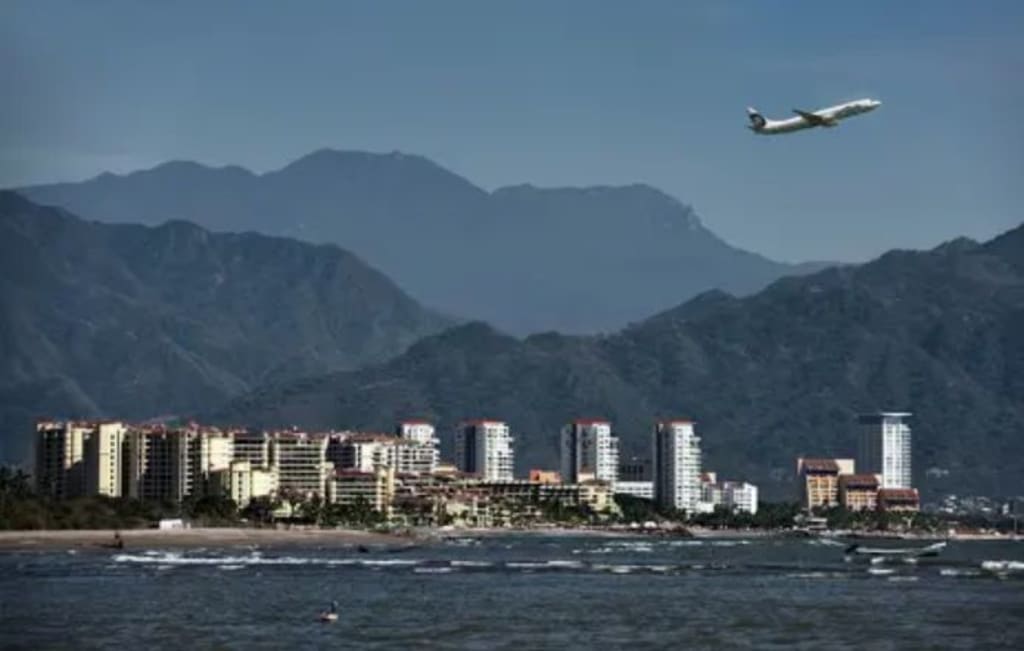
Now, with authorities working to stabilize the region, airlines are preparing to resume service. The situation offers a powerful reminder of how security events can influence travel — even in destinations known primarily for relaxation and tourism.
What Triggered the Disruption?
The unrest followed a major security operation targeting Nemesio Oseguera Cervantes, widely known as “El Mencho.” He is associated with the powerful Cártel Jalisco Nueva Generación, one of the country’s most influential criminal groups.
Reports of clashes, road blockades, and vehicle burnings spread across parts of western Mexico. While Puerto Vallarta itself was not the main conflict zone, access routes to the city were affected, creating logistical challenges and safety concerns for travelers and airline crews.
Images of burning vehicles and blocked highways circulated rapidly on social media, amplifying anxiety among tourists and prompting swift travel decisions from airlines.
Airlines Halt Flights as a Precaution
Several major carriers temporarily suspended flights to the region, including United Airlines, American Airlines, and Air Canada. The cancellations were largely precautionary — a common response when ground transportation to airports becomes uncertain.
Travelers found themselves extending hotel stays, rebooking routes, or waiting for updates. Airlines issued waivers allowing passengers to change flights without penalties, acknowledging the unpredictable nature of the situation.
Even when airports remain open, safe access for passengers and crew is essential. Blocked highways alone can halt aviation schedules.
Signs of Stability: Flights Preparing to Resume
Within days, security forces increased their presence and transportation routes began reopening. Airlines gradually announced plans to restart service, signaling improved confidence in travel conditions.
The expected return of flights is a crucial milestone. Air connectivity is the lifeline of resort destinations like Puerto Vallarta, linking international visitors to local businesses that depend on steady tourism.
While schedules may initially operate at reduced frequency, industry experts say the quick rebound reflects how resilient travel networks have become.
Why Puerto Vallarta Matters to Tourism
Puerto Vallarta is one of Mexico’s most important coastal destinations. Known for beaches, nightlife, cultural attractions, and cruise traffic, the city attracts millions of visitors each year — particularly from the United States and Canada.
Tourism drives a significant portion of the local economy. When flights pause, the effects spread quickly:
Hotel occupancy fluctuates
Restaurants lose reservations
Tour operators cancel excursions
Transportation workers face income gaps
Even short disruptions can create noticeable economic impact.
The Reality of Safety Perception
One key lesson from the incident is the difference between localized violence and overall destination safety. Experts frequently note that cartel-related incidents are often targeted and geographically limited. However, global headlines can create the perception that entire regions are unsafe.
For travelers, perception influences decisions as much as actual risk. Social media videos showing dramatic scenes can shape travel behavior even when tourist zones remain calm.
Authorities therefore focus not only on restoring security but also on rebuilding confidence.
How Travelers Can Respond
Events like this highlight the importance of flexible travel planning. While sudden disruptions are rare, they do occur — particularly in destinations where infrastructure depends heavily on road access.
Travel experts recommend:
Stay informed
Monitor airline notifications and government travel advisories.
Book flexible options
Choose fares or accommodations that allow changes without high fees.
Register travel plans
Embassy registration programs can provide alerts during emergencies.
Follow local guidance
Hotels and tour operators often receive updates faster than visitors.
Preparation doesn’t eliminate risk, but it reduces stress when plans change unexpectedly.
The Bigger Picture: Logistics and Security
The Puerto Vallarta disruption illustrates how modern travel depends on more than airports and aircraft. Road networks, public safety, communication systems, and local stability all shape whether flights can operate.
For airlines, decisions must balance passenger safety, operational costs, and schedule reliability. Cancel too early and revenue suffers; cancel too late and risks increase. These judgments are often made quickly with incomplete information.
Destinations around the world — not just Mexico — face similar challenges when sudden events affect infrastructure.
Recovery and What Comes Next
As flights resume, the focus shifts from disruption to recovery. Tourism boards, airlines, and local businesses typically coordinate marketing efforts to reassure travelers. Promotional fares, media campaigns, and updated safety messaging often follow incidents like this.
History suggests that popular resort destinations tend to rebound quickly once travel resumes. Visitors return, bookings stabilize, and the news cycle moves on.
Still, each event leaves lessons behind — particularly about crisis communication and coordination between aviation and security agencies.
Final Thoughts
The temporary flight suspensions to Puerto Vallarta show how quickly global travel can react to security events — even when tourist areas are not directly targeted. Cartel violence created a sudden shock, but the rapid push to restore flights demonstrates the resilience of both the aviation industry and tourism economies.
For travelers, the takeaway is simple: stay informed, plan flexibly, and understand that disruptions are sometimes part of international travel. For destinations, the challenge remains balancing safety realities with the need to maintain visitor confidence.
As planes begin landing again in Puerto Vallarta, the episode becomes another reminder that travel is deeply connected to broader events — and that recovery often begins the moment flights return.
About the Creator
A Gathering of Evil Bosses
“I’m the queen of chin jutting while I smooth my hair, attacking, insulting, and deflecting to protect my appointer.” “Oh, please, Blondi, my hair is curled, highlighted, and longer than yours. I feature television commercials telling immigrants that we will give them a free plane ride home, and if they voluntarily turn themselves in, they will be allowed to legally apply for re-entry. It runs everywhere, and I look good in it! You can’t compete because of your blond hair. Mine is nicer, and my lips are prettier than yours.”
By Andrea Corwin 7 days ago in The Swamp
Is America Attacking Iran?
In short: No large-scale American attack on Iran is happening right now. There are serious tensions between the United States and Iran, and both sides are preparing and warning each other — but as of today there is no confirmed full-scale US invasion or full military strike currently underway. Instead, the situation shows a mix of military buildup, intense rhetoric, and ongoing diplomacy.
By shaoor afridia day ago in The Swamp
Magic
Note from the Author: I want to let you know that this is an unusual story, and it has been written purely from whatever is in my unconscious mind, because before I start writing, I get into a flow state that reaches my unconsciousness. I also write in my subconscious mind, which is like a mid-flow state between the conscious and unconscious mind.
By Denise Larkin3 days ago in Fiction




Comments
There are no comments for this story
Be the first to respond and start the conversation.