
How Britain Could Remove Andrew From the Royal Line of Succession
Legal Mechanisms, Parliamentary Authority, and Constitutional Limits Explained

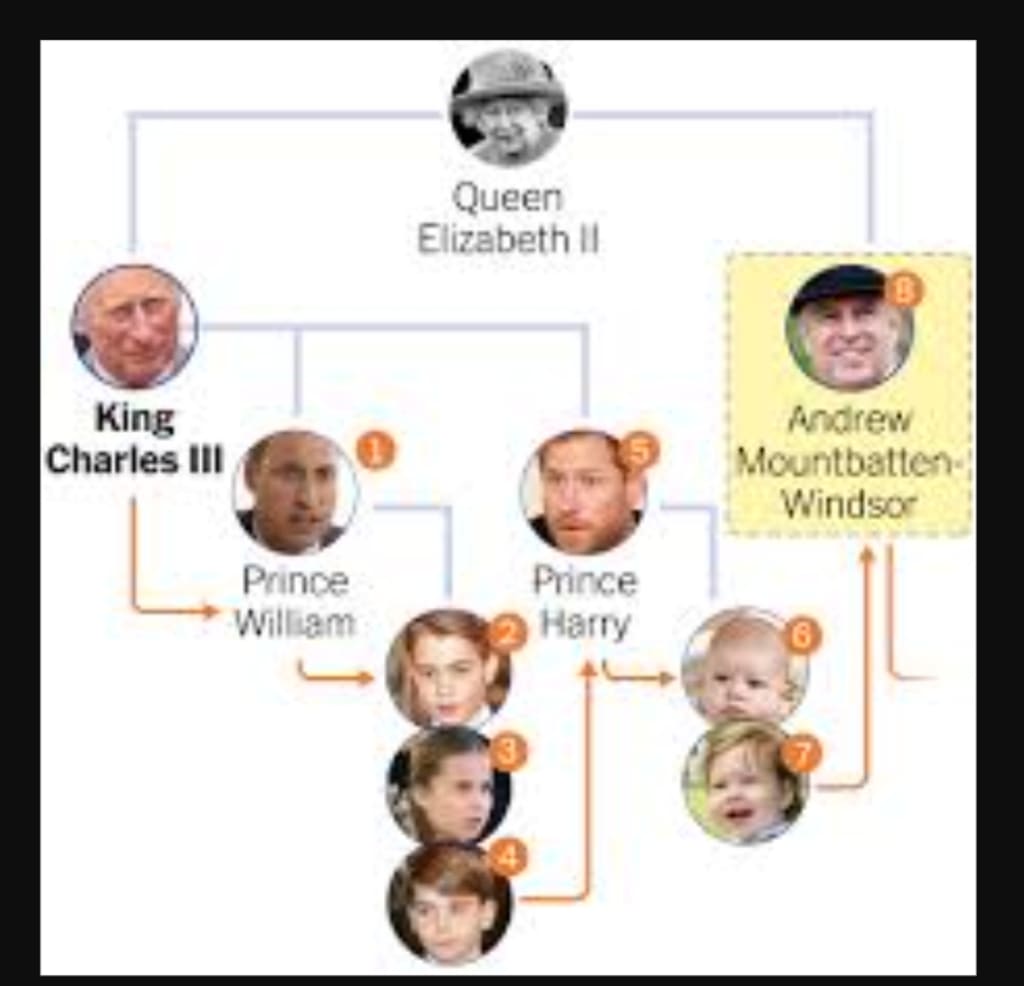
Public debate over the position of Prince Andrew in the British royal line of succession has resurfaced periodically in recent years. While Andrew stepped back from public royal duties and relinquished several honorary titles, he technically remains in the line of succession to the throne. This raises an important constitutional question: how could Britain remove him from that line, and what legal process would be required?
Understanding the answer requires examining the framework governing the monarchy, parliamentary sovereignty, and the legal statutes that define succession.
How the Line of Succession Is Determined
The British line of succession is not determined solely by tradition. It is governed by a combination of historical statutes and constitutional principles. Key legislation includes the Act of Settlement 1701 and the Succession to the Crown Act 2013.
The Act of Settlement 1701 established that succession is limited to Protestant descendants of Sophia of Hanover. The Succession to the Crown Act 2013 modernized the system by removing male-preference primogeniture and allowing heirs to marry Catholics without forfeiting their place.
Because succession is defined by statute, any removal from the line would require legislative action by Parliament.
Parliament’s Sovereign Authority
Under the UK’s constitutional framework, Parliament is sovereign. This means it has the authority to amend or repeal legislation governing royal succession. If lawmakers determined there was sufficient political will, they could introduce and pass a bill removing an individual from the line of succession.
Such legislation would likely specify the individual by name and adjust the order of succession accordingly. However, because succession rules are embedded in constitutional law, changes would carry significant symbolic and political implications.
The Role of the Monarch
While the reigning monarch — currently King Charles III — holds ceremonial authority, the monarch does not unilaterally control succession laws. Any changes must originate in Parliament.
The monarch would formally grant Royal Assent to legislation passed by both Houses of Parliament, but by constitutional convention, Royal Assent is not refused.
The Commonwealth Dimension
Succession to the British throne is not solely a domestic matter. The monarch is head of state in multiple Commonwealth realms, including Canada, Australia, and New Zealand.
Under the Statute of Westminster 1931, changes to succession require the assent of all Commonwealth realms where the monarch serves as head of state. This coordination occurred during the 2013 reforms.
Therefore, removing Prince Andrew from the line of succession would require not only UK parliamentary approval but also agreement among other Commonwealth governments.
Titles vs. Succession
It is important to distinguish between royal titles and succession rights. Prince Andrew has already been stripped of certain military affiliations and public roles. However, removing titles does not automatically alter succession status.
Succession is governed by statute; titles are granted by the monarch. Parliament has limited authority over peerages and titles but must legislate to alter succession.
Thus, while reputational consequences may affect public roles, constitutional status remains intact unless formally amended.
Political Considerations
In practice, removing someone from the line of succession is complex and politically sensitive. The individual’s current position in the line also matters. Prince Andrew is significantly removed from direct succession to the throne, given the presence of heirs such as Prince William and his children.
As a result, some argue that legislative action may be unnecessary unless constitutional risk arises. Others contend that symbolic accountability is important for maintaining public trust in the monarchy.
Parliament would weigh public opinion, constitutional precedent, and international coordination before pursuing such a measure.
Historical Precedents
Historically, succession laws have changed in response to political and religious conflicts. The Glorious Revolution of 1688 and subsequent settlement acts dramatically reshaped royal succession.
However, modern changes — such as the 2013 reform eliminating male-preference primogeniture — have focused on equality rather than removal of specific individuals.
There is little modern precedent for removing a royal family member from the line solely for reputational reasons, making any such move legally possible but politically unprecedented.
Could It Happen?
Legally, yes. Parliament has the authority to legislate removal from the line of succession, provided Commonwealth realms agree. Constitutionally, the mechanism is clear.
Politically, however, the decision would depend on consensus among lawmakers and international partners. Given Andrew’s distant position in succession, many experts believe Parliament may prioritize stability over symbolic restructuring.
Conclusion
Removing Prince Andrew from the royal line of succession would require a formal act of Parliament and coordination with Commonwealth realms. While legally feasible under the UK’s constitutional framework, such action would involve complex political and diplomatic considerations.
The British monarchy operates within a carefully balanced system of tradition and law. Any alteration to succession rules carries weight far beyond the individual concerned, touching on constitutional stability, international relationships, and the evolving public role of the Crown.
For now, Andrew remains in the line of succession. Whether that status changes will depend not on royal decree, but on parliamentary will and international agreement.
About the Creator
Asad Ali
I'm Asad Ali, a passionate blogger with 3 years of experience creating engaging and informative content across various niches. I specialize in crafting SEO-friendly articles that drive traffic and deliver value to readers.
A Gathering of Evil Bosses
“I’m the queen of chin jutting while I smooth my hair, attacking, insulting, and deflecting to protect my appointer.” “Oh, please, Blondi, my hair is curled, highlighted, and longer than yours. I feature television commercials telling immigrants that we will give them a free plane ride home, and if they voluntarily turn themselves in, they will be allowed to legally apply for re-entry. It runs everywhere, and I look good in it! You can’t compete because of your blond hair. Mine is nicer, and my lips are prettier than yours.”
By Andrea Corwin 8 days ago in The Swamp




Comments
There are no comments for this story
Be the first to respond and start the conversation.