
How US Sinking of Iranian Warship Blew Hole in Modi’s ‘Guardian’ Claims
India’s promise to act as a “guardian of the Global South” faces scrutiny after a dramatic U.S. naval strike on an Iranian warship exposed the limits of New Delhi’s influence in a rapidly escalating Middle East conflict.
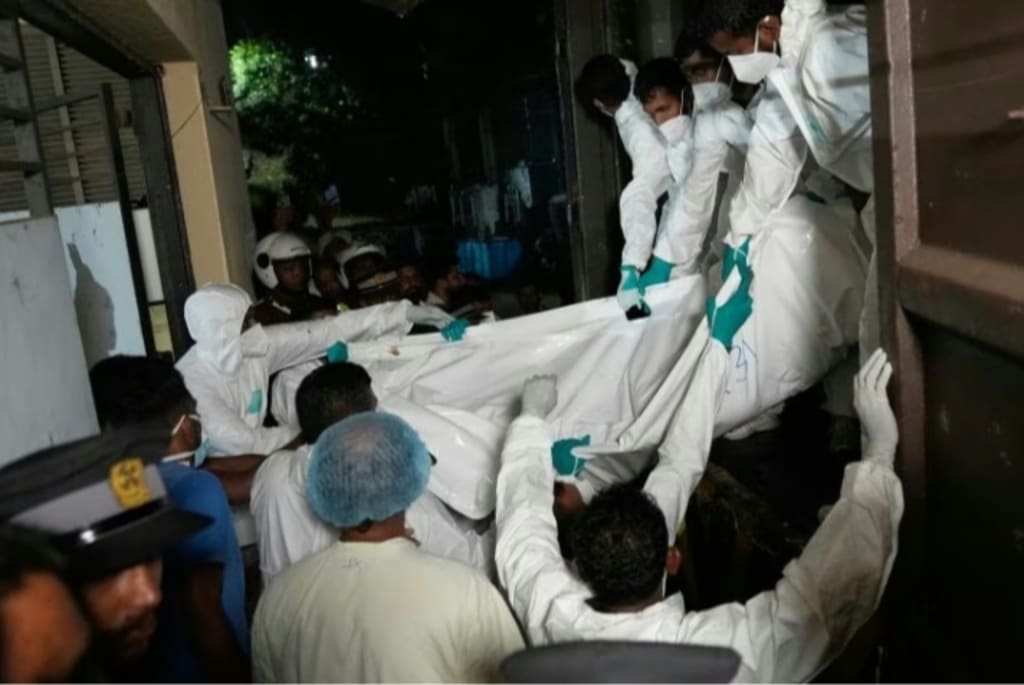
The sinking of an Iranian warship by a U.S. submarine during the expanding conflict between Iran and Israel has triggered debate far beyond the Middle East. In India, the incident has ignited fresh criticism of Prime Minister Narendra Modi and his government’s claim that India is emerging as a “guardian” or leading voice for developing nations on the global stage.
For years, Modi has promoted the idea that India represents the interests of the Global South—nations in Asia, Africa, and Latin America that seek a stronger voice in international politics. However, the sudden escalation between the United States, Iran, and Israel has raised questions about whether India has the diplomatic leverage it claims.
The U.S. strike on an Iranian naval vessel demonstrated how quickly major powers can reshape geopolitical dynamics, leaving emerging powers like India struggling to influence outcomes.
The Incident That Sparked Debate
The controversy began after reports that a U.S. submarine attacked and sank an Iranian warship amid rising tensions in the Middle East. The strike came as part of a broader military campaign involving American and Israeli operations targeting Iranian military infrastructure.
The incident marked one of the most direct naval confrontations between the United States and Iran in recent years. Military analysts described the attack as a decisive demonstration of U.S. naval power, signaling Washington’s willingness to escalate the conflict.
For many observers in India, however, the incident highlighted something else: the limited ability of countries outside the immediate conflict to shape the course of events.
Despite India’s longstanding diplomatic ties with Iran and its growing strategic partnership with the United States, New Delhi appeared largely absent from the crisis response.
Modi’s Vision of Global Leadership
Prime Minister Narendra Modi has repeatedly positioned India as a leading voice for the developing world.
During international gatherings such as the G20, Modi has emphasized India’s role as a bridge between Western powers and emerging economies. His government often describes India as the “voice of the Global South,” advocating for fairer economic policies, climate justice, and greater representation in global institutions.
This narrative gained prominence when India hosted the G20 summit, where Modi declared that New Delhi would serve as a “guardian” for countries that often feel marginalized in international decision-making.
However, critics argue that such rhetoric is easier to maintain in diplomatic forums than in real-world crises involving military power.
India’s Strategic Balancing Act
India’s foreign policy traditionally relies on a careful balancing strategy. The country maintains close defense ties with the United States, including joint military exercises and technology partnerships. At the same time, it has historically enjoyed cordial relations with Iran, particularly in areas such as energy imports and regional connectivity projects.
This dual relationship places India in a delicate position during conflicts involving Washington and Tehran.
When the United States sank the Iranian warship, New Delhi responded cautiously, avoiding direct criticism of either side. Instead, Indian officials issued general statements calling for restraint and diplomatic dialogue.
While such neutrality aligns with India’s traditional non-aligned diplomatic posture, some analysts argue that it also reveals the limits of India’s ability to influence major power conflicts.
Energy Security Concerns
The conflict in the Middle East carries significant economic implications for India, particularly in terms of energy security.
India is one of the world’s largest importers of crude oil, and a substantial portion of its energy supply comes from the Middle East. Rising tensions between Iran and Western powers could disrupt shipping routes, increase oil prices, and create uncertainty in global energy markets.
The U.S. naval strike raised fears that the conflict could spread to key maritime corridors such as the Strait of Hormuz, through which a significant share of the world’s oil exports passes.
For India, any disruption in this region could translate into higher fuel prices, inflationary pressure, and economic instability.
Criticism at Home
The Iranian warship incident has fueled political debate within India itself.
Opposition leaders argue that Modi’s government has exaggerated India’s influence in global affairs while failing to demonstrate meaningful leadership during international crises. Some critics claim that India’s diplomatic response to the Middle East conflict has been largely reactive rather than proactive.
They point out that despite Modi’s ambitions to position India as a global mediator, New Delhi has not played a central role in diplomatic efforts to de-escalate the war.
Supporters of the government, however, argue that India’s cautious approach is deliberate and strategic. In their view, avoiding direct involvement in conflicts between major powers allows India to maintain relationships with multiple countries simultaneously.
The Limits of Emerging Power Diplomacy
The sinking of the Iranian warship underscores a broader challenge faced by emerging powers seeking greater influence in global politics.
While countries like India possess growing economic strength and regional importance, the ability to shape international events often still depends on military capabilities, alliance networks, and geopolitical leverage.
In the current Middle East crisis, the primary actors remain the United States, Israel, and Iran—countries directly involved in the conflict.
India’s role, by contrast, is largely limited to diplomacy, economic engagement, and calls for restraint.
Global South Expectations
India’s claim to represent the Global South also brings expectations from other developing nations.
Many countries in Asia, Africa, and Latin America look to India as a potential counterbalance to Western dominance in global institutions. However, when major crises unfold, those expectations can place pressure on New Delhi to demonstrate leadership.
The U.S. strike against the Iranian warship has therefore become a symbolic moment in debates about India’s international role.
For critics, the incident shows that India’s aspirations to act as a global “guardian” may exceed its current capacity to influence events.
For supporters, it highlights the importance of patience and long-term diplomacy as India gradually builds its global standing.
Looking Ahead
As tensions between the United States, Israel, and Iran continue to escalate, India will likely face ongoing challenges in navigating its diplomatic relationships.
New Delhi must balance strategic partnerships with Western powers while maintaining connections with countries across the Middle East and the Global South.
The sinking of the Iranian warship may not directly involve India, but it has triggered a broader discussion about the country’s ambitions and limitations on the global stage.
Whether India can transform its vision of global leadership into tangible influence remains an open question—one that future crises may ultimately answer.
About the Creator
The Saddest Thing - The Billionaires Who Rule America Aren't Even Enjoying Themselves
This single post says more about our ruling class than a thousand policy papers. The saddest thing about today's system is that the men robbing the rest of us - sabotaging our economic prospects, our pensions, our access to affordable healthcare - are not even happy.
By Scott Christenson🌴28 days ago in The Swamp
Amid escalating geopolitical tensions in the Middle East, the People’s Republic of China has issued an urgent call for the protection of commercial vessels navigating the Strait of Hormuz — a strategic maritime chokepoint whose safety underpins global energy flows and international commerce. Beijing’s appeal comes as global shipping costs skyrocket due to the dramatic slowdown in traffic through the strait, driven by military confrontations and mounting security risks around Iran. � The Guardian
The Strait of Hormuz — just 21 miles wide at its narrowest point between Iran and Oman — links the Persian Gulf with the Arabian Sea and the wider world. It is one of the most critical passages in global trade, boasting roughly 20% of worldwide seaborne crude oil and liquefied natural gas (LNG) shipments passing through its waters under normal conditions. � The Guardian However, sustained attacks by Iranian forces on vessels and infrastructure in response to military strikes have pushed the Strait perilously close to a full closure. The resulting reduction in maritime traffic has sent freight rates and insurance premiums to historic highs, imperiling global supply chains and energy markets. � The Guardian A Strategic Worry for China China’s appeal for maritime security was articulated through its Foreign Ministry, which urged “all parties” involved in the conflict to immediately cease military operations and safeguard navigation through the strait. Beijing stressed that maintaining maritime safety in the Hormuz corridor serves not only China’s interests but those of the entire international community. � Madhyamam The stakes for China are exceptionally high. As the world’s largest importer of oil and fossil gas, a significant portion of Beijing’s energy needs — including crude and LNG shipments from the Middle East — rely on unimpeded access through this narrow sea route. Disruptions therefore pose a direct threat to China’s energy security, economic stability, and industrial output. � ایران اینترنشنال | Iran International Beyond energy, the closure of Hormuz affects global shipping costs and logistics, with major carriers forced to either suspend services or reroute vessels around Africa’s Cape of Good Hope, adding weeks to transit times and substantially increasing operational costs. � The Guardian Skyrocketing Shipping Costs One of the most dramatic consequences of the standoff has been the explosion in shipping expenses. Spot tanker rates — particularly for Very Large Crude Carriers (VLCCs) bound for China — have surpassed $424,000 per day, a remarkable surge from typical charter rates. This surge reflects both the disruption risk premium and the scarcity of willing carriers to traverse the area. � The Guardian Insurance markets have responded by withdrawing war-risk coverage for the region altogether or expanding high-risk designations to encompass broader swaths of the Gulf. Without affordable war-risk insurance, many carriers are forced into costly reroutes or face the prospect of uninsured voyages, further pushing up freight rates for shippers worldwide. � The Guardian The knock-on effects ripple beyond energy: manufacturers and exporters that depend on timely and affordable delivery of goods are now contending with higher transport surcharges, extended delivery windows, and unpredictable logistics chains. Traders and consumers in Asia, Europe, and beyond are beginning to feel these pressures in increased costs for refined products, agricultural commodities, and industrial supplies. � The Economic Times The Broader Geopolitical Context The deterioration of security in the Strait of Hormuz results from an intensifying confrontation involving Iran, the United States, and Israel. After U.S. and Israeli strikes against Iranian targets, Tehran launched retaliatory attacks on shipping and Gulf naval assets, bringing the fragile waterway close to paralysis. � The Guardian Iran’s Revolutionary Guards have openly threatened commercial ships attempting passage, promising military action against vessels deemed hostile or in violation of Tehran’s orders — a stark escalation that has alarmed navies and governments worldwide. � Reuters Although the U.S. military maintains that the strait remains open, maritime behavior underscores a de facto closure: shipping counts have plummeted, numerous vessels have been struck or damaged, and many companies are rerouting or anchoring ships to avoid the area altogether. � Reuters Global Responses and Economic Impacts China’s call for the protection of vessels echoes similar concerns from other international actors. Greece’s shipping minister, representing one of the world’s largest maritime fleets, has also warned of the “alarming” situation in the Strait of Hormuz and called for the safety of shipping and seafarers to be upheld. � MarineLink In the U.S., President Donald Trump has issued directives considering naval escorts for tankers and measures to stabilize shipping flows — a signal of how seriously Washington views the crisis. � Reuters Still, the broader economic implications are unmistakable. Oil prices have surged as supply chains tighten, and stock markets have recoiled at the prospect of rising inflation spurred by higher energy costs. Both producers and consumers are bracing for increased volatility in the months ahead. � Yahoo Finance What Comes Next? The future of the Strait of Hormuz — and with it, a stable global energy and shipping environment — hinges on diplomatic breakthroughs that could reduce or resolve the conflict’s underlying drivers. China’s appeal for maritime security is both a strategic necessity and a call for broader international cooperation to prevent the further erosion of global trade norms. As Beijing pushes for de-escalation, the world watches a critical maritime artery remain at the center of geopolitical rivalry — where the cost of inaction is measured not only in dollars but in the stability of global commerce itself.
By Jameel Jamali3 days ago in The Swamp


Comments
There are no comments for this story
Be the first to respond and start the conversation.