
Tesla Inc.: A Stock Built on Vision, Disruption, and Long-Term Conviction
Tesla Inc. stock analysis focusing on vision-driven disruption, electric vehicles, software innovation, energy business, risks, and long-term investment outlook.

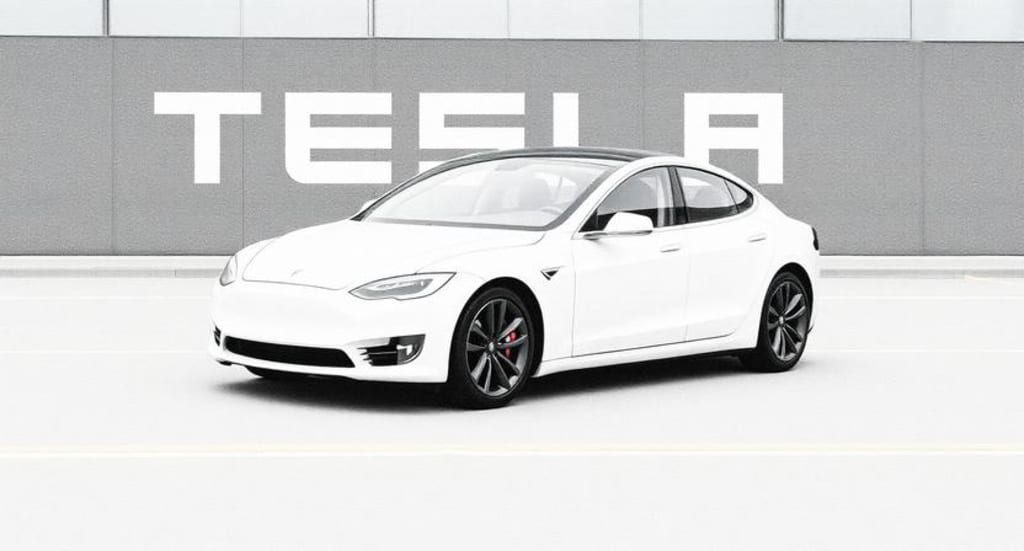
Tesla Inc. is not a typical automotive company, and its stock does not behave like one either. For many investors, Tesla represents a belief in the future—electric mobility, clean energy, and autonomous technology. For others, it is a volatile stock driven by bold promises and aggressive expectations. Understanding Tesla as an investment requires looking beyond car deliveries and focusing on the company’s broader mission and disruptive strategy.
The Vision That Drives the Company
At its core, Tesla is built around a long-term vision rather than short-term results. The company’s mission to accelerate the world’s transition to sustainable energy shapes every major decision it makes. This vision extends beyond electric vehicles into battery technology, energy storage, and software-driven transportation.
For investors, this means Tesla is often valued not just on current earnings, but on what it could become in the future. This forward-looking valuation model explains both the stock’s strong rallies and sharp corrections.
Disrupting the Traditional Auto Industry
Tesla disrupted the automotive industry by proving that electric vehicles could be desirable, high-performance, and scalable. Unlike traditional automakers, Tesla controls much of its value chain, from software to battery integration.
Direct-to-consumer sales, over-the-air software updates, and vertically integrated manufacturing allow Tesla to move faster than legacy competitors. These advantages have helped Tesla establish a strong brand identity and loyal customer base.
However, disruption invites competition. As traditional automakers increase their electric vehicle offerings, Tesla must continue innovating to maintain its edge.
Technology and Software as Key Differentiators
What truly separates Tesla from other automakers is its emphasis on software. Tesla vehicles are designed as software platforms on wheels, with continuous updates that improve performance, safety, and features over time.
Autonomous driving technology is a major part of Tesla’s long-term narrative. While full autonomy remains a work in progress, Tesla’s data-driven approach gives it access to vast amounts of real-world driving information. If successful, this technology could redefine transportation economics.
For investors, software-based revenue opportunities—such as subscriptions and feature upgrades—represent potential margin expansion beyond traditional car sales.
Energy Business and Long-Term Optionality
Tesla’s energy generation and storage segment is often overlooked by the market. Products focused on battery storage and solar solutions align with global trends toward renewable energy and grid stability.
While this segment currently contributes a smaller share of revenue compared to vehicles, it adds optionality to Tesla’s long-term growth story. As energy infrastructure evolves, Tesla’s early investments could become more meaningful contributors to overall valuation.
This diversification helps position Tesla as a clean-energy company rather than a pure-play automaker.
Financial Performance and Market Expectations
Tesla’s financial results have shown significant growth over the years, driven by rising vehicle deliveries and improved manufacturing efficiency. However, profitability can fluctuate due to pricing strategies, expansion costs, and investments in future technologies.
Market expectations for Tesla remain high, and the stock often reacts strongly to changes in growth outlook. This makes Tesla more volatile than many large-cap stocks, especially during periods of market uncertainty.
For investors, understanding this volatility is crucial. Tesla rewards patience during execution phases but can punish short-term speculation when expectations are not met.
Risks Investors Should Weigh
Tesla faces several risks that investors must consider carefully. Increasing competition in the electric vehicle market could pressure margins and market share. Regulatory environments, supply-chain challenges, and global economic conditions can also impact performance.
Another key risk lies in execution. Tesla’s ambitious timelines and large-scale projects require flawless execution to justify long-term valuations. Delays or setbacks can quickly affect investor sentiment.
Additionally, Tesla stock is highly sentiment-driven, which can amplify price movements beyond fundamental changes.
Long-Term Investment Perspective
Tesla stock is best suited for investors with a long-term mindset and a tolerance for volatility. It is not a traditional value or dividend stock; instead, it represents a bet on technological transformation and energy transition.
For those who believe in the continued shift toward electric mobility, software-driven vehicles, and renewable energy solutions, Tesla offers exposure to multiple disruptive trends within a single company.
Rather than focusing on quarter-to-quarter results, long-term investors often evaluate Tesla based on execution progress, innovation, and its ability to scale disruptive technologies globally.
About the Creator
Hammad Nawaz
Hammad here, sharing stock market insights, trading strategies, and tips. Helping traders understand trends, risk, and opportunities in equities, forex, and commodities.
Keep reading
More stories from Hammad Nawaz and writers in Trader and other communities.
Meta Platforms Inc.: A Strategic SWOT-Based Look at One of the Most Debated Tech Stocks
Meta Platforms Inc. is one of the most polarizing companies in the global stock market. Some investors see it as a cash-generating social media giant with unmatched user reach, while others view it as a risky bet tied to changing digital trends and heavy long-term investments. Understanding Meta stock requires looking beyond headlines and evaluating its strengths, weaknesses, opportunities, and threats in a structured way.
By Hammad Nawazabout 3 hours ago in Trader
Rail Composites Market – Overview, Growth Trends, Market Drivers & Future Outlook
Overview Rail Composites Market Rail composites are engineered materials used in a wide range of rail applications—from interior components (seating, panels) and exterior body parts to structural elements within rolling stock and infrastructure. Their high strength-to-weight ratio, durability, and design flexibility enhance operational efficiency, passenger safety, and lifecycle performance compared with conventional materials. Rail operators and manufacturers are increasingly adopting composites to meet stringent safety standards, reduce energy consumption, and align with global sustainability initiatives.
By James Smith7 days ago in Trader


Comments
There are no comments for this story
Be the first to respond and start the conversation.