
Langtang Valley Trek: The Complete Guide to Nepal's Hidden Himalayan Gem
Discovering the Beauty of the Langtang Valley

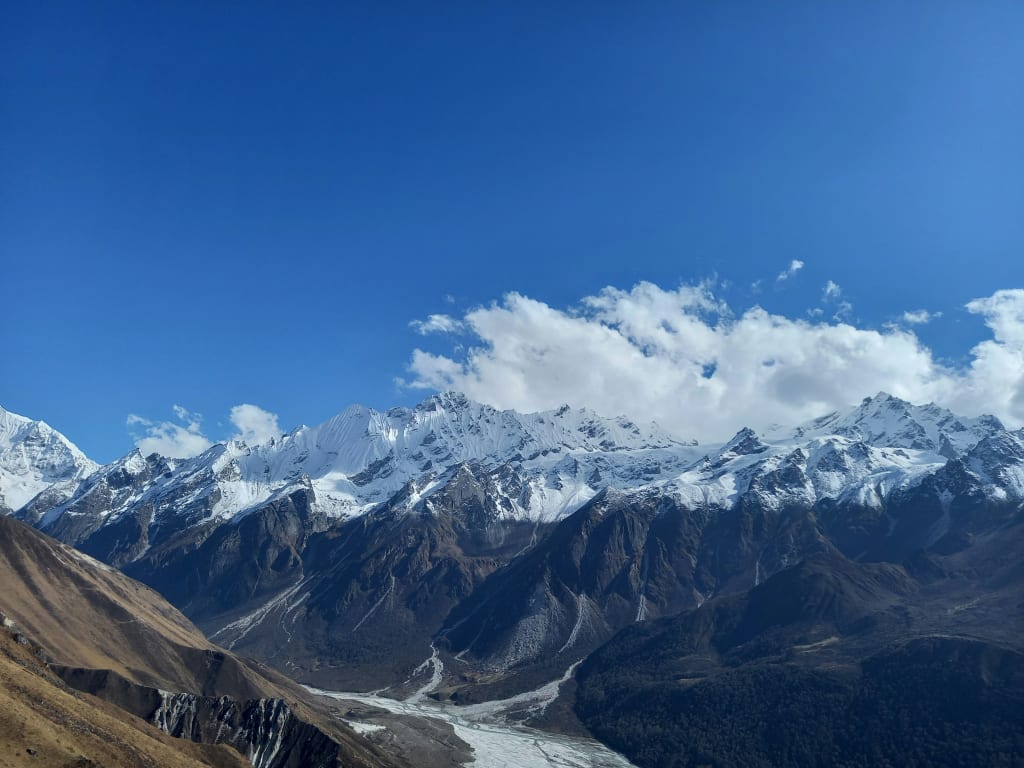
If you are searching for a trek that combines breathtaking mountain scenery, rich Tamang culture, and an off-the-beaten-path adventure the Langtang Valley Trek is your answer. Nestled just 50 kilometers north of Kathmandu, Langtang is one of Nepal's most accessible and rewarding trekking destinations. Often overshadowed by the fame of Everest Base Camp and the Annapurna Circuit, this Himalayan trek offers an equally spectacular experience without the crowds. Whether you are a first-time trekker or a seasoned adventurer, the Langtang Valley Trek promises soaring peaks, dense rhododendron forests, ancient monasteries, and warm hospitality that will stay with you long after you return home.
Overview of the Langtang Valley Trek
Before you lace up your boots, here is a quick snapshot of what to expect on this iconic trekking route:
Detail Information
- Location: Langtang National Park, Bagmati Province, Nepal Trek
- Difficulty: Moderate Trek Duration7–10 days (standard itinerary)
- Maximum Altitude: 4,984 m (Tsergo Ri viewpoint) / 3,870 m (Kyanjin Gompa)
- Starting Point: Kathmandu to Kathmadnu
- Best Season: Spring (March–May) and Autumn (September–November)
The Langtang Valley is a protected area within Langtang National Park, Nepal's first Himalayan national park. The valley sits along the border with Tibet and is home to the Tamang and Tibetan communities whose culture and traditions add a deeply human dimension to the trek.
Why Choose the Langtang Valley Trek?
There are dozens of trekking routes across Nepal, so what makes the Langtang Valley Trek stand out? The answer lies in its remarkable combination of nature, culture, and accessibility.
Dramatic Himalayan Landscapes
The trail winds through lush subtropical forests, alpine meadows, and glacial moraines. As you gain altitude, the landscape transforms dramatically from dense bamboo groves to wide-open valleys framed by towering snow-capped peaks. The sight of Langtang Lirung (7,234 m) dominating the skyline is simply unforgettable.
Authentic Tamang and Tibetan Culture
Unlike some of Nepal's more commercialized trails, the Langtang Valley still feels genuinely authentic. The Tamang people whose ancestors migrated from Tibet centuries ago maintain a way of life shaped by Buddhism, yak herding, and highland farming. Spinning prayer wheels, fluttering prayer flags, and the scent of juniper incense are constant companions on this trail.
Rich Wildlife in Langtang National Park
Trekking in Nepal's Langtang National Park means sharing the trail with incredible wildlife. Red pandas, Himalayan black bears, snow leopards, and over 250 species of birds call this park home. The oak and rhododendron forests burst into color each spring, creating a natural spectacle that rivals the mountain views above.
Proximity to Kathmandu
One of the biggest advantages of the Langtang Valley Trek is its proximity to Kathmandu. The drive to the trailhead at Syabrubesi takes around 7–8 hours making it one of the most accessible major treks in Nepal. You do not need to fly to a remote mountain airstrip to begin your adventure.
Highlights of the Langtang Valley Trek
- Kyanjin Gompa - A stunning Buddhist monastery at 3,870 m, surrounded by glaciers and peaks
- Kyanjin Ri (4,773 m) - A popular day-hike offering panoramic views of Langtang Lirung and Dorje Lakpa
- Tsergo Ri (4,984 m) - The highest point on the standard route, with jaw-dropping 360° Himalayan panoramas
- Langtang Village - Rebuilt after the devastating 2015 earthquake, a symbol of community resilience
- Lama Hotel Forest trail - A magical walk-through ancient rhododendron and bamboo forest
- Yak cheese factory at Kyanjin - Try fresh, locally made yak cheese and butter tea
- Ganesh Himal and Dorje Lakpa views - Incredible Mountain panoramas visible throughout the upper valley
- Traditional Tamang villages - Authentic stone houses, chortens, and monasteries at every turn
Best Time to Do the Langtang Valley Trek
Timing is everything when planning a Himalayan trek. Here is a seasonal guide to help you choose the best time to visit:
Spring (March to May) - Best Season
Spring is widely considered the best time for the Langtang Valley Trek. Rhododendrons blaze in red and pink across the lower forests, temperatures are pleasant, and the mountain views are clear before the monsoon clouds arrive. Wildflowers carpet the meadows around Kyanjin Gompa, making this one of the most visually stunning times to visit.
Autumn (September to November) - Best Season
Autumn is the second peak trekking season in Nepal and offers the clearest skies and most stable weather of the year. The air is crisp and fresh after the monsoon rains, visibility is excellent, and the temperatures are ideal for long trekking days. This is the most popular time for trekking in Nepal overall.
Winter (December to February) - Possible but Challenging
Winter trekking in Langtang is possible for experienced trekkers who are well-prepared. The trails are quiet, the skies are crystal clear, and the snow-dusted peaks are breathtakingly beautiful. However, temperatures at Kyanjin Gompa can drop to -15°C or lower at night, and some tea houses may be closed.
Monsoon (June to August) Not Recommended
The monsoon season brings heavy rainfall, leeches on the lower trails, and the risk of landslides. Cloud cover blocks mountain views for much of the day. Most trekkers avoid the Langtang Valley during monsoon, though it remains technically possible for those who don't mind the conditions.
Difficulty Level
The Langtang Valley Trek is rated moderate in difficulty, making it one of the most accessible Himalayan treks in Nepal for beginners and intermediate trekkers.
You do not need previous trekking experience, but a reasonable base level of fitness is important. The daily trekking hours range from 4 to 7 hours, and the altitude gain is gradual enough to allow proper acclimatization if you follow a sensible itinerary. The steepest sections are found on the side hikes to Kyanjin Ri and Tsergo Ri.
Trekkers with good fitness, no serious heart or lung conditions, and a willingness to walk for several hours each day will find this trek very manageable. Building cardiovascular fitness through hiking, running, or cycling in the weeks before your trip will make a significant difference to your overall enjoyment.
Accommodation and Food
The Langtang Valley Trek is a classic tea house trek, meaning you stay and eat in locally owned guesthouses along the trail. This style of trekking is comfortable, affordable, and a wonderful way to connect with local communities.
Tea Houses provide simple but comfortable rooms with twin beds, blankets, and pillows. Higher up the trail (at Kyanjin Gompa in particular), rooms can be basic and cold at night, so a good sleeping bag is essential. Hot showers are available at most lodges for a small extra charge, and charging facilities for electronics are widely available.
Food on the Trail is hearty, warming, and surprisingly varied. The classic trekkers' meal is dal bhat a nourishing plate of lentil soup, steamed rice, vegetable curry, and pickled vegetables. You will also find noodle soups, pasta, pancakes, Tibetan bread, momo dumplings, porridge, and hot tea and coffee widely available. At Kyanjin Gompa, do not miss the chance to try fresh yak cheese, yak butter tea, and local dairy products made right there in the valley.
Permits Required
To trek in the Langtang Valley, you will need two key permits:
1. Langtang National Park Entry Permit
Cost: NPR 3,000 (approximately USD 25) per person. This permit is required for all foreign nationals entering Langtang National Park.
2. TIMS Card (Trekkers' Information Management System)
Cost: NPR 2,000 (approximately USD 17) for independent trekkers. The TIMS card helps track trekkers for safety purposes.
Both permits can be obtained at the Nepal Tourism Board office in Kathmandu (Bhrikutimandap) or at the park entrance checkpost. If you are trekking with a registered agency, your guide will typically arrange these for you.
Packing List for the Langtang Valley Trek
Packing smart is the key to a comfortable trek. Here is a practical checklist:
Clothing
- Moisture-wicking base layers (top and bottom)
- Insulating mid-layer (fleece or down jacket)
- Waterproof and windproof outer shell jacket
- Trekking trousers and shorts
- Warm hat, sun hat, and gloves
- Warm socks (wool or synthetic, multiple pairs)
Footwear
- Sturdy, broken-in trekking boots (ankle support essential)
- Lightweight camp sandals or flip flops
Gear
- Trekking poles
- Daypack (25–30L) and main duffel bag or backpack
- Headlamp with extra batteries
- Sleeping bag (rated to -10°C recommended)
- Sunglasses (UV400 or glacier glasses)
- Sunscreen (SPF 50+) and lip balm
Health and Safety
- Personal first aid kit
- Water purification tablets or filter
- Altitude sickness medication (Diamox — consult your doctor)
- Rehydration salts
Documents and Money
- Passport and permit copies
- Cash in Nepali Rupees (ATMs are not available on the trail)
- Travel insurance documents
Cultural Experience on the Langtang Valley Trek
One of the most rewarding aspects of trekking in the Langtang Valley is the deep cultural immersion it offers. The Tamang people whose roots lie in Tibet have preserved a rich heritage of Tibetan Buddhist traditions, art, and music in these high Himalayan villages.
Throughout the trek, you will encounter ancient chortens (Buddhist stone monuments), mani walls carved with sacred prayers, and gompas (monasteries) decorated with colorful thangka paintings and butter lamps. The most significant religious site on the route is Kyanjin Gompa, a 700-year-old monastery that remains an active place of worship for local communities.
The annual Losar Festival (Tibetan New Year, usually in February or March) is a wonderful time to witness traditional music, dance, and ceremonial rituals in the villages. Even outside of festivals, the warmth and hospitality of Tamang families who will invite you in for butter tea and conversation is one of the most memorable parts of the entire journey.
Tips for a Successful Langtang Valley Trek
Acclimatize properly. Do not rush to gain altitude. Spend an extra night at Kyanjin Gompa if you feel any symptoms of altitude sickness.
Hire a local guide. A licensed local guide not only enhances safety but also provides rich cultural context and supports the local economy.
Carry enough cash. There are no ATMs on the trail beyond Syabrubesi. Withdraw enough Nepali Rupees in Kathmandu before you depart.
Start early each day. Mountain weather can deteriorate in the afternoon. Starting your hiking day by 7–8 AM gives you the best conditions and the best views.
Respect local customs. Walk clockwise around chortens and mani walls. Ask permission before photographing local people. Remove shoes before entering monasteries.
Stay hydrated. Drink at least 3–4 liters of water per day, especially at higher altitudes. Use purified or boiled water rather than plastic bottles.
Book accommodation in advance during peak season. Tea houses fill up quickly during spring and autumn. Contact lodges or your trekking agency ahead of time.
Travel with respect for the 2015 earthquake memorial. Langtang Village was almost completely destroyed by an earthquake-triggered avalanche in April 2015. Approach the memorial site with sensitivity and reverence.
Conclusion
The Langtang Valley Trek is a truly extraordinary journey one that combines the raw grandeur of the Himalayas with the warmth of Tamang culture and the intimacy of a trail that still feels like a genuine discovery. From the prayer flags fluttering above Kyanjin Gompa to the humbling view from Tsergo Ri, every step of this trek offers something to stir the soul.
Whether you are drawn by the mountain views, the wildlife of Langtang National Park, the spiritual atmosphere of ancient monasteries, or simply the joy of walking through one of the world's most beautiful landscapes the Langtang Valley Trek will exceed your expectations. It is a trek that demands nothing extreme of you but gives back everything in return.
Start planning your Langtang adventure today. Nepal's hidden Himalayan gem is waiting.
About the Creator
RP Adventures
At RP Adventure, we are dedicated to providing exceptional travel experiences, immersing you in the majestic Himalayas. Whether seeking thrilling adventures, serene landscapes, we offer services tailored to your interests.
Keep reading
More stories from writers in Wander and other communities.
Worth the Wait: Puerto Viejo, Costa Rica
Beach bumming in a small Caribbean beach town sounded like a perfect way to end our 6-month trip through Mexico and Central America. Or so we thought. The foul, fishy stench of rotten seaweed hit our nostrils as we stepped from the cramped bus and looked out at a rather depressing, empty, and underwhelming black sand beach. It was pouring with rain, and we had to quickly fish out our ponchos. We thought, this couldn’t be it, could it?
By Sh*t Happens - Lost Girl Travel6 days ago in Wander
Turkey: Take THEM With You.
The first time I went to Istanbul, I went with my sister. The second time, I brought family. Picture from the trip. Same city. Same accommodation - right in the center of everything, the spot we'd found the first time and couldn't justify leaving.
By Destiny S. Harris5 days ago in Wander
📢 Raise Your Voice Thread: 03/05/2026
Our “Raise Your Voice Threads” are hosted most alternating Thursdays at 12PM ET to offer creators more avenues to uncover exceptional stories on Vocal. As we are continuously searching for fresh creators and inspiring stories, this thread provides an opportunity to exchange and discuss the stories that have moved and motivated us on Vocal.
By Raise Your Voice by Vocal7 days ago in Resources




Comments
There are no comments for this story
Be the first to respond and start the conversation.