Irshad Abbasi
Bio
Ali ibn Abi Talib (RA) said 📚
“Knowledge is better than wealth, because knowledge protects you, while you have to protect wealth.
Stories (217)
Filter by community
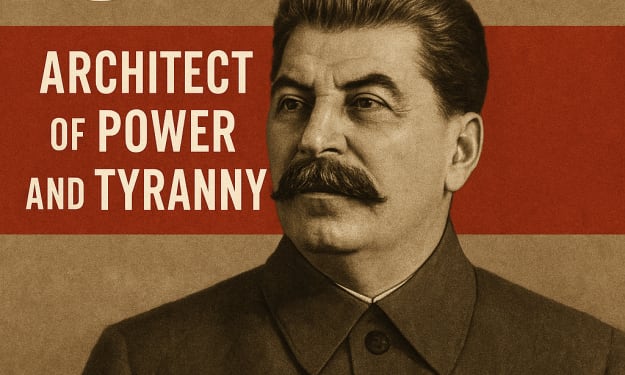
Architect of Power and Tyranny
Joseph Stalin, born Ioseb Besarionis dze Jughashvili on December 18, 1878, in Gori, Georgia, was a man who would rise from humble beginnings to become one of the most powerful—and feared—leaders in modern history. As the head of the Soviet Union for over two decades, Stalin transformed a backward agrarian society into a global superpower. Yet his rule was marked by widespread purges, mass repression, and unparalleled human suffering. His legacy is one of both awe-inspiring transformation and harrowing tyranny.
By Irshad Abbasi 9 months ago in History
A Life in the Shadow of Empire
Anthony Eden, the 1st Earl of Avon, stands as one of the most enigmatic figures in modern British political history. Born into an aristocratic family on June 12, 1897, in County Durham, Eden rose through the ranks of British politics with a reputation for diplomacy, eloquence, and style. But his career, though filled with high office and international prestige, was ultimately overshadowed by one of the greatest foreign policy blunders of the 20th century: the Suez Crisis of 1956.
By Irshad Abbasi 9 months ago in History
A Voice for Justice and Equality
Martin Luther King Jr. was one of the most influential leaders in American history. A Baptist minister, gifted orator, and committed activist, he became the face of the Civil Rights Movement in the United States. Through nonviolent protest and powerful speeches, King helped dismantle institutionalized racial segregation and inspired generations to fight for justice and equality.
By Irshad Abbasi 9 months ago in History
The Peaceful Revolutionary
Mohandas Karamchand Gandhi, more widely known as Mahatma Gandhi, was a man who redefined the concept of revolution. Rather than violence and bloodshed, he chose truth and nonviolence (known as *Satyagraha* and *Ahimsa*) as tools for social and political change. His life remains one of the most inspiring examples of peaceful resistance in human history.
By Irshad Abbasi 9 months ago in History
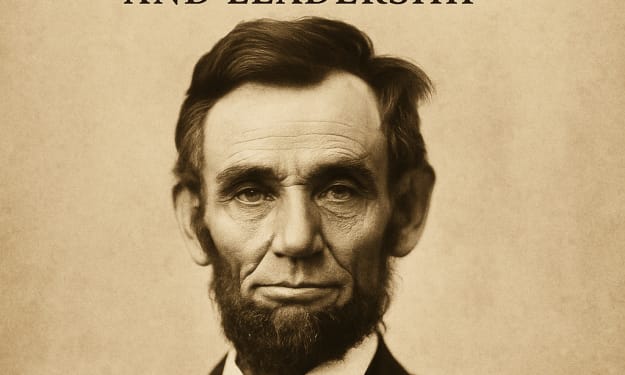
A Life of Integrity and Leadership
Abraham Lincoln, the 16th president of the United States, stands as one of the most revered figures in American history. Known for his steadfast moral compass, eloquent speeches, and unwavering commitment to justice and unity, Lincoln’s life is a profound story of perseverance, vision, and leadership.
By Irshad Abbasi 9 months ago in History
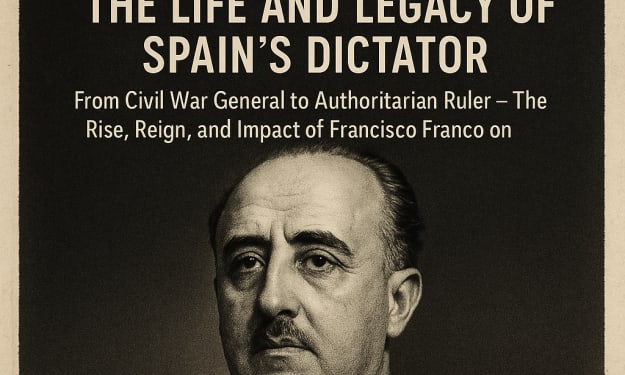
The Life and Legacy of Spain's Dictator
Francisco Franco Bahamonde was one of the most controversial figures of the 20th century. Rising from a relatively obscure military background to become the authoritarian ruler of Spain, Franco shaped the country's politics, culture, and global relationships for nearly four decades. His legacy continues to spark intense debate among historians, politicians, and the public.
By Irshad Abbasi 9 months ago in History
The Lion of Britain
Sir Winston Leonard Spencer Churchill, often remembered as the indomitable “Lion of Britain,” led a life defined by extraordinary resilience, rhetorical mastery, and a tenacious commitment to his nation. Born on November 30, 1874, at Blenheim Palace in Oxfordshire, England, Churchill came from aristocratic lineage. His father, Lord Randolph Churchill, was a prominent Conservative politician, and his mother, Jennie Jerome, was an American socialite. From a young age, Churchill was determined to forge his own path, often at odds with tradition and expectation.
By Irshad Abbasi 9 months ago in History
The Chrysanthemum and the Throne
Emperor Hirohito, known posthumously as Emperor Shōwa, reigned over Japan during one of the most turbulent periods in its history, from 1926 until his death in 1989. His life bridged feudal traditions and modern geopolitics, imperial divinity and democratic symbolism, devastating war and remarkable recovery. As a figure cloaked in mystery and contradiction, Hirohito remains both a symbol of continuity and a subject of enduring debate.
By Irshad Abbasi 9 months ago in History
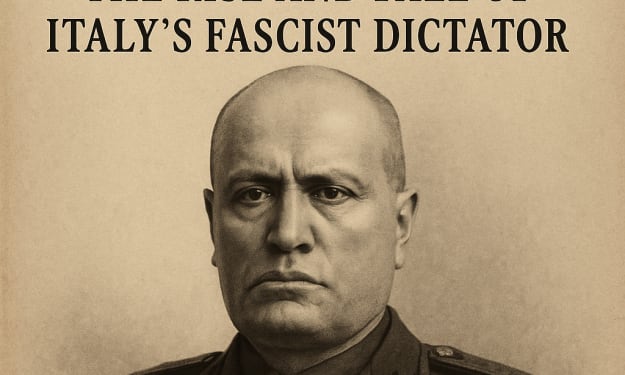
The Rise and Fall of Italy’s Fascist Dictator
Benito Mussolini, one of the 20th century's most controversial and influential figures, rose from humble beginnings to become the founder of Italian Fascism and dictator of Italy. His rule, which spanned over two decades, left an indelible mark on Italy and the world, shaping the trajectory of Europe between the World Wars. Ultimately, his ambitions led Italy into ruin and himself to a grim demise.
By Irshad Abbasi 9 months ago in History
A Biography of Power and Destruction
Adolf Hitler’s name remains synonymous with tyranny, genocide, and war. Born in Austria in 1889, Hitler rose from obscurity to become the leader of the Nazi Party and Chancellor of Germany, wielding immense power that ultimately brought about one of history’s most catastrophic periods: World War II and the Holocaust. This biography explores his ascent, ideology, and the devastation left in his wake—an enduring lesson in how demagoguery and unchecked power can destroy nations and humanity.
By Irshad Abbasi 9 months ago in History
The Revolutionary Life of a Global Icon
Ernesto "Che" Guevara remains one of the most iconic and controversial figures of the 20th century. A revolutionary, doctor, author, guerrilla leader, and symbol of resistance, Che’s life encapsulates the volatile political currents of the Cold War era and the dreams and failures of revolution. Born into an upper-middle-class Argentine family, Guevara's journey from medicine to Marxism led him to the forefront of global anti-imperialist struggle. His life was short but intense—marked by passionate idealism, armed struggle, and a tragic end that sealed his legend.
By Irshad Abbasi 9 months ago in History
The Revivalist of Islamic Thought and the Seeker of Truth
Imam Abu Hamid Muhammad ibn Muhammad al-Ghazali, often known simply as Imam Al-Ghazali, was one of the most influential and revered scholars in the history of Islam. Born in 1058 CE (450 AH) in Tus, a town in the province of Khorasan in present-day Iran, Al-Ghazali would become a towering figure in Islamic theology, philosophy, jurisprudence, and mysticism. His life journey, marked by intellectual brilliance, spiritual crisis, and a profound return to faith, continues to inspire scholars and seekers alike.
By Irshad Abbasi 9 months ago in History