Health
NO WATER NO BRAIN
Water is the most essential nutrient for human survival, and the brain is one of the organs most dependent on adequate hydration. Nearly 85 % of the human brain is composed of water, which plays a critical role in maintaining its structure, supporting chemical reactions, and enabling communication between nerve cells. Even a mild deficiency of water—commonly known as dehydration—can significantly affect brain function, mood, and overall mental performance. Understanding how water deficiency impacts the brain highlights why regular hydration is vital for cognitive health.
By Ibrahim Shah 24 days ago in Chapters
How Belief and Meaning Support the Journey Away from Addiction
Ravi couldn’t pinpoint the moment when his habit turned into dependence. What began as a way to manage stress and sleepless nights slowly became something he relied on to get through the day. Addiction didn’t arrive suddenly or dramatically. It crept in quietly, shaping his routines and decisions without drawing much attention.
By Stories Today25 days ago in Chapters
PDS Health Notes Connection Between Oral Health and Heart Health During American Heart Month. AI-Generated.
American Heart Month, observed every February, serves as an important reminder to focus on cardiovascular health and the everyday habits that help protect the heart. This year, PDS Health is drawing attention to a connection that is often overlooked but increasingly supported by scientific research: the powerful link between oral health and heart health. By highlighting this relationship, PDS Health aims to encourage a more integrated, preventive approach to overall wellness—one that starts with the mouth but benefits the entire body.
By Ayesha Lashari26 days ago in Chapters
Statin Pills Much Safer Than Advertised: Major Review Challenges Common Misconceptions. AI-Generated.
Introduction For years, statins have been the subject of controversy, with countless patients and healthcare professionals alike questioning their safety. These cholesterol-lowering drugs, widely prescribed to prevent heart disease and stroke, have long been associated with concerns about potential side effects such as muscle pain, liver damage, and an increased risk of diabetes. However, a major new review of existing studies has found that these pills may be much safer than they have been portrayed, suggesting that many of the risks associated with statins are either overstated or rare.
By Ayesha Lashari26 days ago in Chapters
Redefining Lipid Biology: From Droplets to Ferroptosis. AI-Generated.
For decades, lipids were viewed mainly as passive molecules—simple building blocks of cell membranes or long-term energy reserves stored away for times of need. This narrow perspective is rapidly changing. Modern research is redefining lipid biology, revealing lipids as dynamic regulators of cellular behavior, signaling pathways, and even cell fate. From the discovery of lipid droplets as active organelles to the emerging role of lipids in ferroptosis, a unique form of programmed cell death, lipids are now recognized as central players in health and disease.
By Ayesha Lashari27 days ago in Chapters
Jetty McJetface: Star-Shredding Black Hole May Keep Ramping Up Its Radio Jet Until a 2027 Peak. AI-Generated.
Jetty McJetface: A Star-Shredding Black Hole and the Growing Power of Its Radio Jet How an extraordinary cosmic engine may continue to intensify until a predicted peak around 2027
By Ayesha Lashari27 days ago in Chapters
Nipah Virus
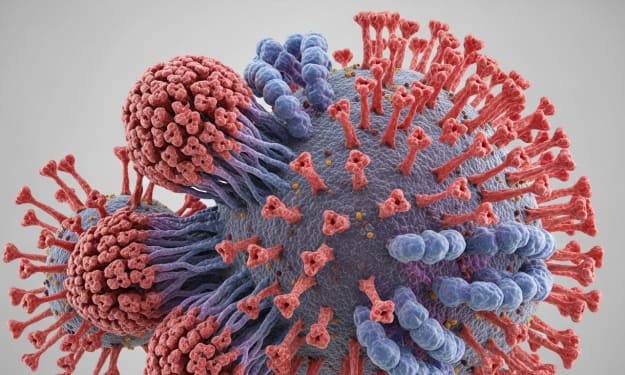
Nipah virus (NiV) is a virus that can cause illness in animals and people. It does not spread easily through casual contact. It was first identified in 1999 during an outbreak in pigs and pig farmers in Malaysia. NiV belongs to a family of viruses called Henipaviruses. Its natural hosts are fruit bats (also called flying foxes), which carry the virus without getting sick. When Nipah virus infects humans, it often causes a high fever and can affect the nervous system and breathing.
By Talha khan29 days ago in Chapters