
Chemical Recycling Debate Surrounding Plastic Pyrolysis
Technological, Environmental, and Policy Tensions in Plastic Chemical Recycling

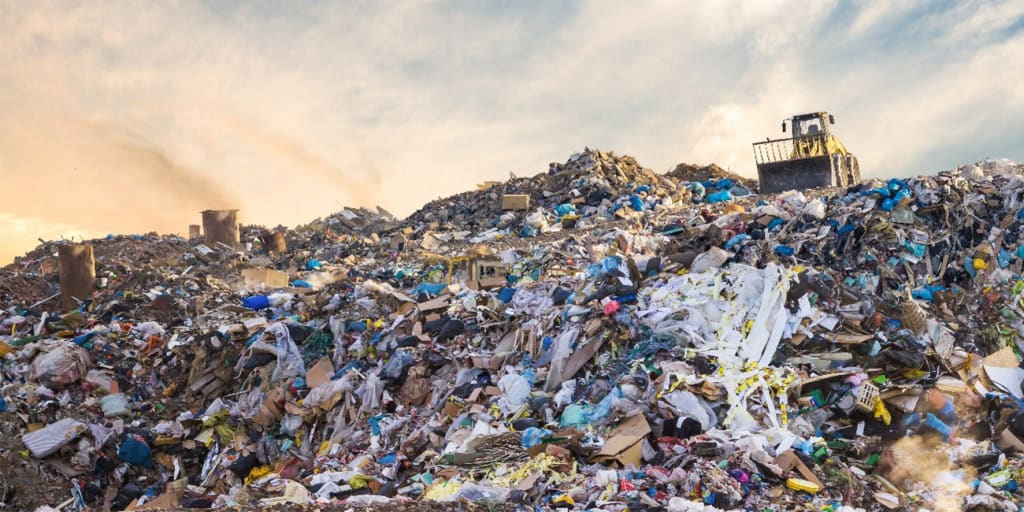
Plastic waste management has become one of the most contentious environmental challenges of the twenty-first century. Mechanical recycling has long been the dominant strategy for reprocessing polymer waste, yet its limitations—particularly contamination, polymer degradation, and sorting inefficiencies—have driven the emergence of alternative technologies. Among these, plastic pyrolysis has been widely promoted as a chemical recycling pathway capable of transforming heterogeneous plastic waste into hydrocarbon products.
Despite growing industrial investment, the classification and legitimacy of plastic pyrolysis as a form of chemical recycling remain heavily debated among policymakers, environmental researchers, and waste management stakeholders. The controversy centers on environmental performance, lifecycle emissions, regulatory definitions, and the practical feasibility of closing the material loop.
The Technological Basis of Plastic Pyrolysis
Thermal Decomposition of Polymer Chains
Plastic pyrolysis is a thermochemical process that decomposes long polymer chains into smaller hydrocarbon molecules through high-temperature treatment in an oxygen-deficient environment. Most industrial operations operate between 400°C and 700°C, conditions sufficient to break C–C bonds in common polymers such as polyethylene (PE), polypropylene (PP), and polystyrene (PS).
During thermal degradation, macromolecular structures undergo random scission, producing a mixture of condensable vapors, permanent gases, and carbonaceous residue. Condensed fractions can be refined into pyrolysis oil, a hydrocarbon mixture often compared to crude oil derivatives.
The appeal of this approach lies in its ability to process mixed or contaminated plastic streams that are unsuitable for mechanical recycling. Flexible packaging, multilayer films, and composite plastics—typically destined for landfill or incineration—can theoretically serve as feedstock for thermochemical conversion.
Output Products and Downstream Utilization
The products generated during plastic pyrolysis generally fall into three categories:
- Liquid hydrocarbon fraction – commonly referred to as pyrolysis oil
- Non-condensable gas – primarily methane, hydrogen, and light hydrocarbons
- Solid residue – char or mineral impurities
In an optimized industrial system, the gaseous fraction is often recirculated as process fuel, improving the thermal efficiency of the reactor. The liquid fraction can be refined into chemical feedstock or transportation fuel depending on purification requirements. However, the real-world performance of these outputs remains a central point of debate.
The Chemical Recycling Classification Dispute
Divergent Regulatory Definitions
One of the most contentious aspects of plastic pyrolysis is whether it should be classified as recycling at all. Traditional recycling definitions emphasize material recovery, meaning the recovered substance should re-enter production as the same material type. Mechanical recycling satisfies this criterion by converting plastic waste back into polymer pellets.
Plastic pyrolysis, by contrast, transforms polymers into hydrocarbons that may ultimately be burned as fuel. Critics argue that if the final product is combusted rather than remanufactured into plastic, the process functions closer to energy recovery than recycling.
Different jurisdictions have adopted divergent interpretations. Some regulatory frameworks categorize pyrolysis oil as a chemical feedstock eligible for recycled content accounting. Others classify the process as waste-to-fuel conversion, excluding it from recycling targets.
This definitional ambiguity has significant implications for industry investment and environmental reporting.
Mass Balance Accounting Controversy
Another area of disagreement concerns the mass balance approach used in chemical recycling supply chains. Because pyrolysis oil is typically blended with fossil feedstock in petrochemical refineries, the recycled content in final plastic products is often allocated using accounting methods rather than direct physical segregation.
Under a mass balance system, a refinery can attribute a certain portion of output polymer to recycled feedstock even though the molecules are indistinguishable from virgin petrochemicals. Supporters argue that this accounting method enables large-scale integration of recycled material into existing infrastructure.
Critics contend that such allocation methods obscure transparency and allow companies to claim recycled content without guaranteeing actual circularity.
Environmental Performance and Lifecycle Debate
Energy Intensity and Carbon Emissions
Plastic pyrolysis is inherently energy-intensive due to the high temperatures required to cleave polymer chains. The process consumes thermal energy for reactor heating and electricity for feedstock preparation, gas compression, and condensation systems.
Lifecycle assessments have produced mixed results regarding the environmental benefits of pyrolysis. Some analyses suggest that converting plastic waste into petrochemical feedstock may reduce overall emissions compared with incineration. Other studies indicate that energy consumption and refining steps significantly diminish these advantages.
The carbon footprint of pyrolysis also depends heavily on how the resulting hydrocarbon products are used. If converted into new plastic polymers, the carbon remains within the material cycle. If burned as fuel, the carbon is rapidly released into the atmosphere.
Feedstock Contamination and Pollutant Formation
Another technical concern involves the composition of real-world plastic waste streams. Consumer plastic waste frequently contains additives such as flame retardants, plasticizers, stabilizers, and pigments. During high-temperature decomposition, these compounds may generate undesirable byproducts including halogenated compounds, acid gases, and persistent organic pollutants.
anaging these emissions requires sophisticated gas purification systems and catalytic treatment stages. Without proper control technology, plastic pyrolysis facilities may generate environmental externalities comparable to other thermal waste treatment systems. Consequently, critics question whether pyrolysis truly represents a cleaner alternative to conventional waste disposal methods.
Industrial Scalability and Economic Uncertainty
Feedstock Supply Constraints
Although plastic waste is abundant globally, suitable feedstock for pyrolysis is not always readily available. Many waste streams contain significant quantities of PVC, PET, or multilayer materials that complicate thermal decomposition and produce corrosive byproducts. Pre-treatment steps—such as sorting, shredding, and contaminant removal—add complexity and cost to the process. Reliable feedstock supply chains therefore become a critical factor in determining whether large-scale pyrolysis operations remain economically viable.
Market Volatility of Pyrolysis Oil
The commercial value of pyrolysis oil fluctuates with petroleum markets. When crude oil prices decline, the economic advantage of producing hydrocarbon feedstock from waste diminishes. Refiners may also require additional upgrading steps to meet petrochemical feedstock specifications. These factors create financial uncertainty for new facilities attempting to scale the technology. Furthermore, the capital cost of constructing advanced thermochemical conversion reactors, emissions control systems, and refining infrastructure can be substantial. Investors therefore require long-term policy clarity regarding recycling classification and carbon accounting.
Competing Perspectives on the Future of Plastic Conversion
Industry Perspective
Proponents within the petrochemical and waste management sectors argue that plastic pyrolysis offers a pragmatic solution for materials that cannot be mechanically recycled. From this viewpoint, thermochemical conversion represents a complementary technology capable of handling complex waste streams. Supporters also emphasize that the chemical structure of polymers can theoretically be reconstructed using pyrolysis-derived feedstock, enabling a circular material economy.
Environmental Advocacy Perspective
Environmental organizations frequently challenge this narrative, asserting that pyrolysis risks perpetuating single-use plastic production rather than reducing it. They argue that emphasis should instead focus on waste prevention, material reduction, and improved mechanical recycling systems. Critics also caution that large-scale investment in thermochemical recycling infrastructure may delay systemic changes in packaging design and consumption patterns.
About the Creator
Keep reading
More stories from Wayne Shen and writers in Earth and other communities.
Industrial Deployment of Biochar in Modern Metal Smelting Systems
Biochar is increasingly examined as a functional carbonaceous material in high-temperature metallurgical operations. Traditionally dominated by fossil-derived coke and coal, metal smelting processes are under pressure to decarbonize while maintaining reductive efficiency and structural reliability. Biochar, when properly engineered, presents a technically viable supplementary reductant in the production of steel, silicon, and ferroalloy. Its application, however, requires stringent control of physicochemical properties and integration within existing furnace infrastructure.
By Wayne Shen5 days ago in Earth


Comments
There are no comments for this story
Be the first to respond and start the conversation.