
Redefining End-of-Life Tyres
How Pyrolysis is Reshaping the Circular Economy
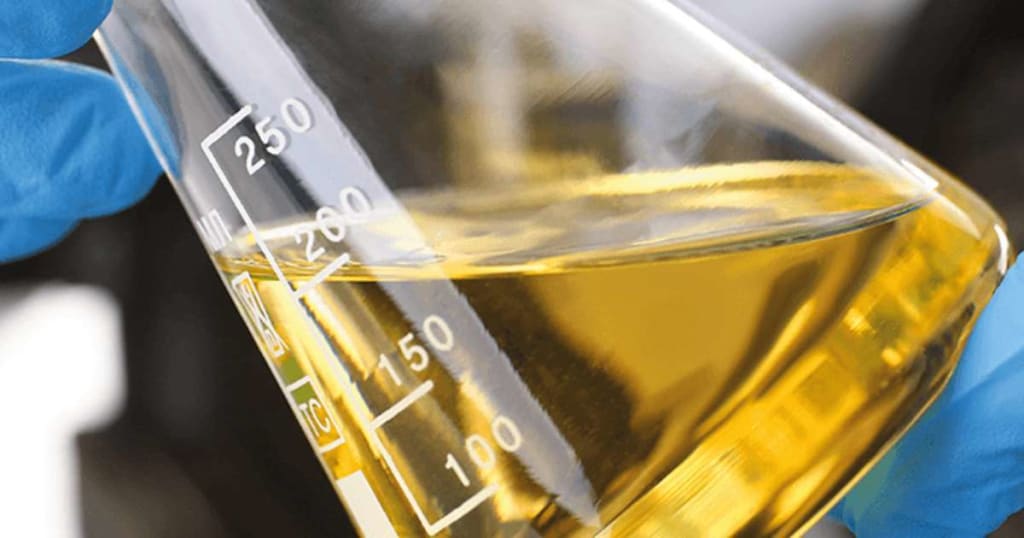
The global landscape of waste tyre management has reached a critical inflection point. No longer viewed merely as a disposal challenge, "Black Pollution" is being reimagined as a strategic resource. Because tyres are engineered from complex, non-biodegradable polymers, traditional landfilling and incineration are increasingly obsolete. The emergence of advanced Thermal Chemical Decomposition (Pyrolysis) has catalyzed an industrial shift, transforming waste streams into high-value commodities. By deconstructing rubber into tyre pyrolysis oil (TPO), recovered carbon black (r-CB), and syngas, this sector is bridging the gap between hazardous waste management and sustainable industrial feedstock.
From Waste Liability to Green Asset: The Decarbonization Logic of Pyrolysis
The true power of pyrolysis lies in its ability to facilitate a "molecular reset" within a controlled, oxygen-free environment. Unlike traditional disposal, which often results in environmental degradation, thermal decomposition offers a sophisticated method for material recovery.
- Volume Decompression: Pyrolysis technology of tyre oil plant fundamentally eliminates the physical footprint of tyre stockpiles, mitigating the risks of landfill fires and soil contamination.
- Carbon Intensity Reduction: By recovering liquid fuels and chemical precursors through thermal processing, the industry significantly lowers the carbon footprint compared to the extraction and refining of virgin petrochemicals. It is not just a treatment process; it is a carbon-negative methodology for modern resource recovery.
Economic Synergy: Building High-Yield Models for Recovered Products
The economic resilience of the tyre pyrolysis sector is driven by its diverse output and energy self-sufficiency. This creates a robust business model that remains profitable even amidst fluctuating global energy prices.
- The Energy Matrix: Tyre Pyrolysis Oil (TPO) serves as a high-calorific alternative to industrial furnace oil. In sectors such as cement manufacturing, steel smelting, and heavy power generation, TPO provides a cost-effective energy buffer against volatile fossil fuel markets.
- Material Circularity: Recovered Carbon Black (r-CB) is gaining significant traction in the rubber and plastics industries. By integrating r-CB back into the manufacturing supply chain, companies reduce their reliance on virgin carbon black, optimizing material costs while enhancing their "green" credentials.
- Operational Efficiency: The generation of non-condensable syngas allows plants to achieve thermal autonomy. By recycling this gas to fuel the reactors, the process becomes energy-efficient and self-sustaining, drastically reducing operational overhead.
Strategic Compliance: Navigating the Global Regulatory Shift
As environmental, social, and governance (ESG) mandates become more stringent, tyre pyrolysis has evolved into a vital tool for corporate and regulatory compliance.
- Adhering to Global Standards: With the rise of Extended Producer Responsibility (EPR) and stricter waste-to-energy regulations (such as the Basel Convention), adopting advanced pyrolysis ensures that businesses remain ahead of the compliance curve.
- Brand Equity & ESG Excellence: For industries generating large volumes of tyre waste, pivoting to pyrolysis-based recovery is a powerful statement of corporate responsibility. It transforms a logistical burden into a documented contribution to the circular economy, attracting ESG-focused investors and conscious consumers alike.
Conclusion
The potential of pyrolysis in tyre management extends far beyond waste reduction; it is a catalyst for industrial evolution. By converting discarded rubber into a suite of valuable industrial inputs, this technology provides a clear pathway to resource security and environmental stewardship. As the global focus on sustainability intensifies, the role of pyrolysis will only expand—turning the challenge of tyre waste into a cornerstone of the modern, cost-effective, and eco-friendly industrial era.
About the Creator
The Canals of Phoenix: How Waterways Made Life Possible in the Desert
In the heart of the Sonoran Desert, where summer temperatures regularly climb above 110°F (43°C), the existence of a sprawling metropolitan city like Phoenix, Arizona, may seem almost impossible. Yet Phoenix thrives, home to millions of residents, vast suburbs, and a growing economy. The secret behind this unlikely success lies in a remarkable system of canals that carry life-giving water across the desert landscape.
By Irshad Abbasi 3 days ago in Earth
Silken Chains
Silhouettes of the female form were given flesh and bone. Silken skin glistened under the spotlight. Dry ice rose around our Icons as they danced atop their podiums in the Square. Heralded for their beauty, their movements were slight, powerful, and sensual.
By Paul Stewart4 days ago in Fiction



Comments
There are no comments for this story
Be the first to respond and start the conversation.