

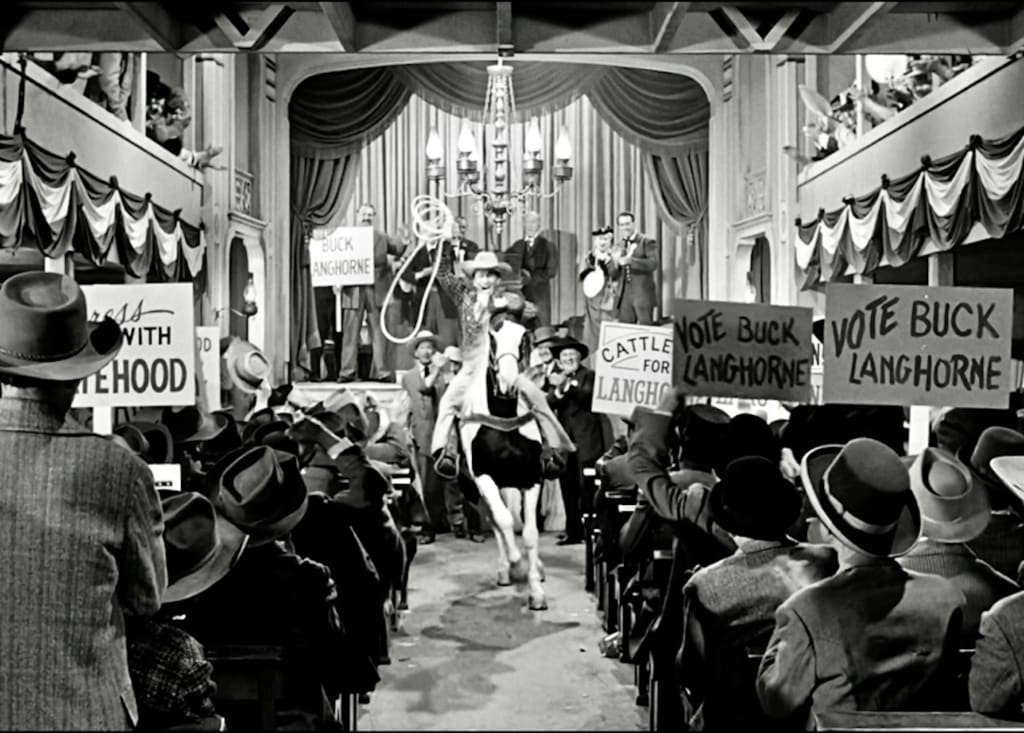
I used to hate them. Not the horses though. I love horses, but they were never enough to keep me interested in watching a bunch of dudes killing each other. And the women all seemed cut of the same gingham cloth.
But having discovered a few classic Westerns over time, I’ve become a fan. Here, I cover two faves and one disaster (the latter, just for fun).
Shane (1953):
The titular character is a gunslinger trying to leave the violent life behind. Actor Alan Ladd fills Shane’s boots admirably. But the book’s author, while approving of the finished film, said: “Except for that runt”. He meant Ladd, who was 5’6”. The author thought his hero should be played by someone tall and dark and commanding. He wanted George Raft. Yikes. I doubt this movie would’ve become a classic with Raft in the lead.
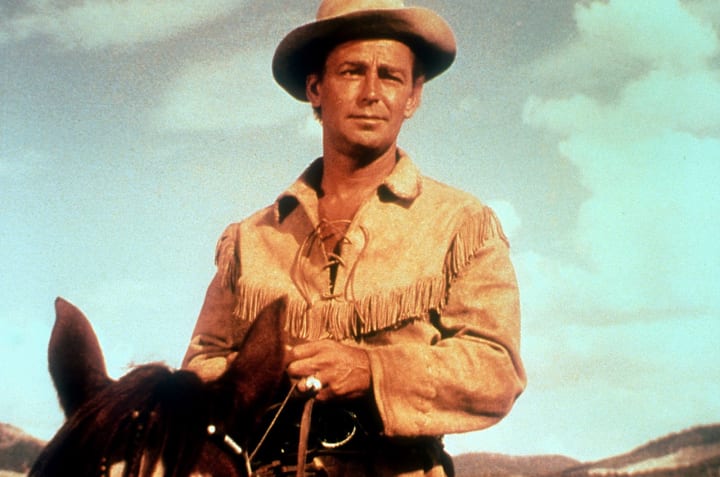
Ladd is perfect as the shootist, but in real life he didn’t like guns. He can be seen squeezing his eyes shut in some scenes where he has to pull the trigger. Meanwhile, director George Stevens wanted to show the horror of gun violence with this movie, so he had a large-caliber weapon fired into a garbage can to create a cannon-like sound effect to be used in the film. It hurt the ears of some studio exec and he ordered it removed. Stevens refused and it stayed in, but to hear it you need a theatre with a good sound system.
Stevens was the first to use a cable attached to the back of actors so that they’d get blown back when shot dead. No noble staggering around with blood dripping, no Oscar-winning last words here. In Shane, a few characters get blown back, practically out of their boots, by the force of gunfire.
Many beautiful ponies populate the screen. However, Jack Palance, who plays the baddest of all bad dudes, was wary of the equine beauties. This resulted in many awkward mounts and dismounts. Apparently, once Stevens got a good take of a Palance dismount, he used it in several scenes and then reversed it when a mount was called for. Even so, I spotted at least one clumsy dismount.
I also love dogs in movies and Shane has a couple of lovely ones - good actors, those pups. Add to all that, great editing - especially in fight scenes and shoot outs - and wonderful cinematography by Loyal Griggs, and you've got a first rate oater.
High Noon (1952):
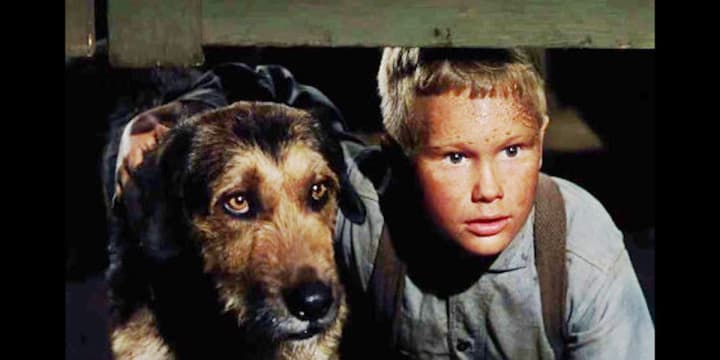
This flick is an early example of the revisionist Western. It's also an allegory for the HUAC witch hunts. Writer Carl Foreman would not name names for the House Un-American Activities Committee, and this movie became his response to the hearings that destroyed careers and lives.
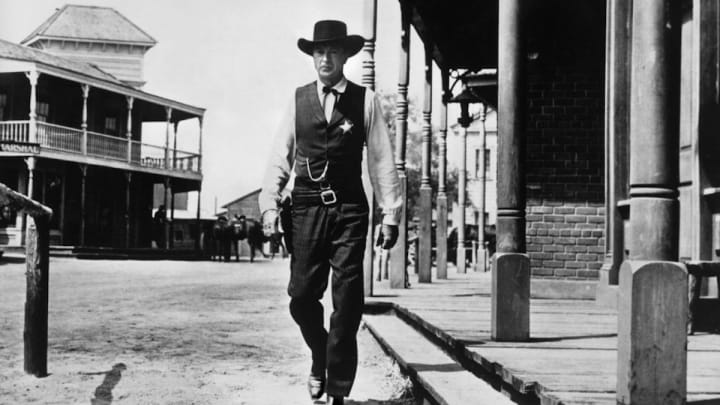
John Wayne called the movie “un-American” and triumphantly declared victory when Foreman was forced to leave the U.S. due to being blacklisted. Wayne hated High Noon for its message - a scathing indictment of the film industry's cowardice toward Senator Joe McCarthy and his henchmen. Gary Cooper, who played the lead, had cooperated with HUAC but refused to name names and he defended Foreman.
High Noon has the distinction of containing the first song to win an Oscar that was not part of a musical. Do Not Forsake Me, My Darling is a haunting song that plays throughout the film, aiding in telling the story. It heralded an era of theme tunes that would do the same for other Westerns.
There are also two strong female roles that reject the cookie cutter mold of the little lady in the kitchen or the sassy dame in the saloon.
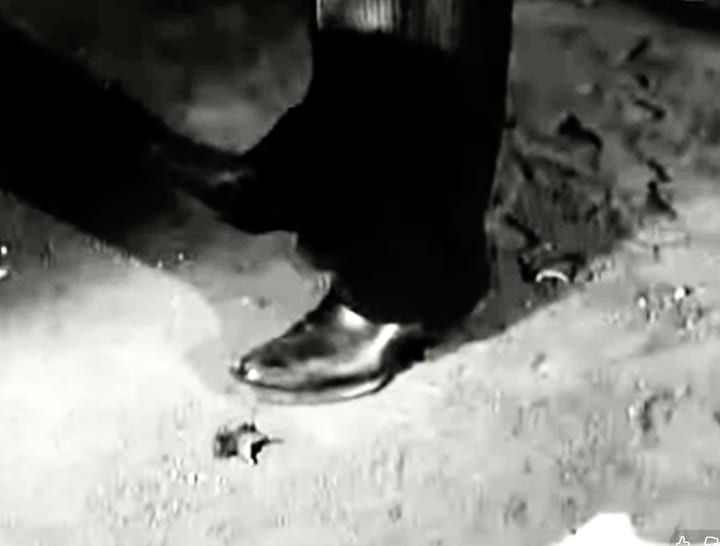
No spoilers here but watch for the scene where marshal's tin star is on the ground. It’s in front of the boot in the shot. But look hard and you'll see another badge behind that same boot. There should only be one badge in this shot - there's only one marshal and one tin star in this town. Presumably, the other badge was left there from a previous take!
Hondo (1953):
This flick features some of the worst opening credits I’ve ever seen, a wacky nonsensical font that must have had Saul Bass turning in his grave (Saul was the master title designer, creating fascinating credits for more than sixty movies over four decades, including West Side Story, Vertigo, North by Northwest, and the original Psycho).
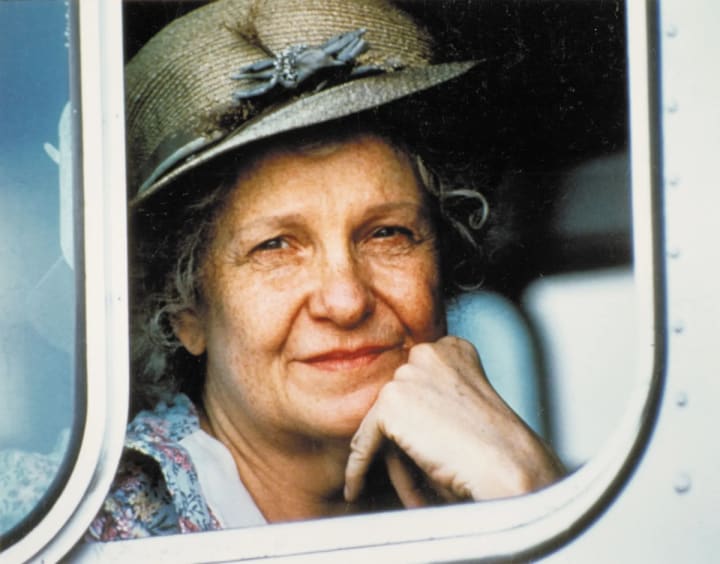
Those garish Hondo credits were a sure tip off that the picture was also going to be bad. And it is. What you don’t want is John Wayne spouting poetry or telling you what Geraldine Page’s character smells like when she’s down wind: "baked bread, soap, lard and woman all over”. Stop it, Duke.
I didn’t recognize Page for a full ten minutes. I missed her opening credit because I couldn't keep looking at that mess of letters. This was her first starring role in a movie and we don’t see any of the neurotic characteristics that informed her later performances, like her Oscar-nominated portrayal of the Princess Cosmonopolis in Sweet Bird of Youth.
Hondo was shot for 3D cinema and that accounts for part of what sucks about it. Director John Farrow (Mia’s dad) and DP Robert Burks didn’t know how to use the 3D cam. And of course, now we don’t see any 3D effect just plenty of strange business and activities that I assume were added for that third dimension.
Other Good Ones:
McCabe and Mrs Miller - 1971 - dir. Robert Altman
My Darling Clementine - 1946 - dir. John Ford
The Man Who Shot Liberty Valance - 1962 - dir. John Ford
*
About the Creator
Marie Wilson
Harper Collins published my novel "The Gorgeous Girls". My feature film screenplay "Sideshow Bandit" has won several awards at film festivals. I have a new feature film screenplay called "A Girl Like I" and it's looking for a producer.
Keep reading
More stories from Marie Wilson and writers in Geeks and other communities.
The Politics of Playing Dress-Up
Well, to start off I'd like to say a happy world book day to all who celebrate. I know I haven't really posted anything on my socials about it but I'm not a jubilant kind of person. I lay low most of the time. Let's start off with a popular anecdote from the vaults...
By Annie Kapur5 days ago in Geeks




Comments (2)
.🌹🌹🌹🌹 💕💕💕💕💕💕💕💕💕💕💕💕💕💕💕💕 Happy International WOMEN'S DAY🌹🌹🌹🌹🌹🌹🌹🌹🌹🌹🌹🌹🌹🌹🌹🌹🌹🌹🌹🌹🌹🌹�...
I don't why but I find these kinda movies so boring. Not my cup of tea I guess. But I enjoyed reading this!