literature
Geek literature from the New York Times or the recesses of online. Our favorite stories showcase geeks.
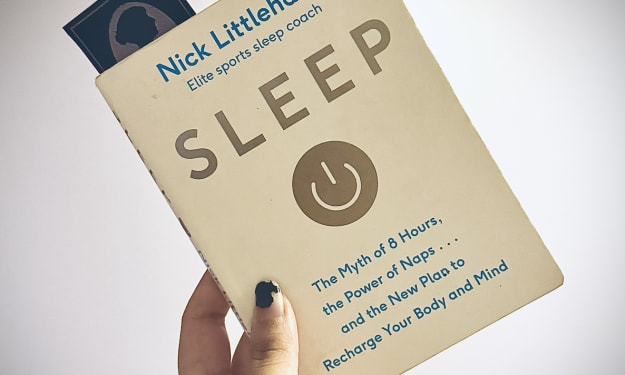
Book Review: "Sleep" by Nick Littlehales
Okay, so I might have already read a great book about sleep entitled Why We Sleep by Matthew Walker, which tends to be the go-to for many people. I've also read Alex Edmans May Contain Lies which dismantles some strange statistics in the Walker book. But I think that Nick Littlehales may take the cake for the most comprehensive book about sleep I have seen in a while. A tiny book with very little scientific research compared to the Walker book means that we are meant to rely on the fact that this man is a sleep coach in order to receive the 'message'. That message: there are many myths about sleep - some aren't all that helpful.
By Annie Kapurabout a month ago in Geeks
Why It's a Masterpiece at 100 Weeks
I personally can't believe we've been doing 'Why It's a Masterpiece' for almost two years now. At 100 weeks, I have decided to expand and rework 'Why It's a Masterpiece' to include some more pieces of literature and other parts that I think could be quite interesting. This also means that this series of articles is about to get a bit longer than usual.
By Annie Kapurabout a month ago in Geeks
Book Review: "Josephine" by Carolly Erickson
Josephine is a figure from history that there has been much assumption about - so don't think there is going to be no assumptions in this particular book. Married to Napoleon, from the French aristocracy and within her own right, the empress of France as depicted in the painting by Jacques-Louis David - Josephine is a figure of complexity. There are many things within this book which make it an interesting read for anyone who enjoys learning about French history, especially during the revolutionary eras. But there are also some setbacks which made this book a bit wonky if I'm being honest. Again, it is definitely to do with assumption and how much one can actually assume.
By Annie Kapurabout a month ago in Geeks
Book Review: "Ancient Philosophy: A Very Short Introduction" by Julia Annas
I quite like reading about philosophy and well, I know how much some of my favourite older, classic writers were perhaps influenced by these people. For example: how Shakespeare portrayed philosophies written by Aristotle on the stage. But of course, we also have Plato and others who were huge influences on our modern day with The Republic perhaps being one of the most important philosophical texts ever written. We have and don't have original surviving texts by these famed philosophers, but Julia Annas definitely does it justice by going through it in a way that basically anyone can understand. She starts with the problem concerning Medea once Jason decides to marry another woman...
By Annie Kapurabout a month ago in Geeks
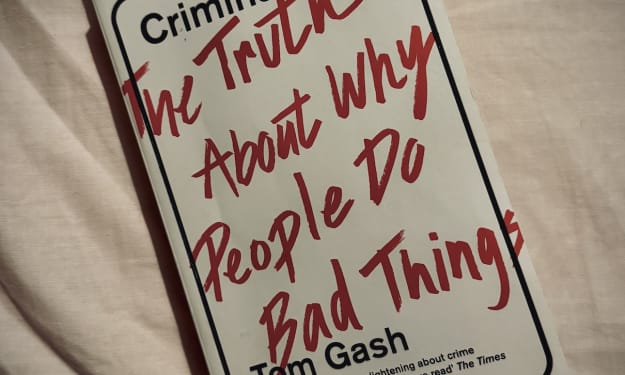
Book Review: "Criminal" by Tom Gash
Subtitled The Truth About Why People Do Bad Things, Tom Gash's book focuses on the way in which we interpret crime, how we see factors relative to crime and of course, why those who commit it choose to go in that direction. The book is an interest read complete with graphs and data, but also shows the reader why data and statistics perhaps, may not be able to explain everything and how the amount of variables that are actually within the sphere requires them to be cut down by the researcher - creating implicit bias as to which variable is 'valued' over another. It's a book that works with an incredible amount of research and explanation to tell the story of why people do bad things.
By Annie Kapurabout a month ago in Geeks
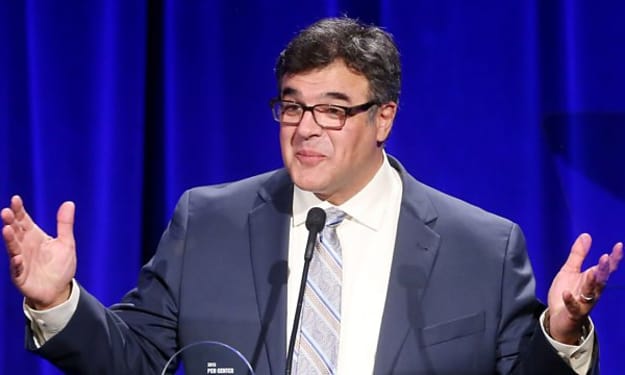
Why I left CIA
I still remember the night I knew I couldn’t stay. I was sitting alone in a cheap motel room somewhere in the Middle East, the hum of the air conditioner mixing with the distant shouts of a city that didn’t sleep. My hands were shaking—not from fear, but from exhaustion and something heavier, something I couldn’t name. Years of carrying secrets, running operations, and watching people’s lives hang by a thread had finally left me hollowed out inside.
By John Smithabout a month ago in Geeks
Book Review: "Pseudoscience: A Very Short Introduction" by Michael D. Gordin
If I've said it once, I've said it a thousand times: I love free books. I also love dipping my toes into the Very Short Introduction series, especially when I'm between bigger books. I've read those on Biblical History, I've read some on philosophy and now this one, is on pseudoscience. From UFOs to Anti-Vaxxers, from eugenics to how the Russians basically made up their own science during the height of communism, from the planets to the human body - pseudoscience is everywhere. But what is it, where did it come from, and what are the different forms it can arise in? Well, the truth is that pseudoscience is just as old as science itself...
By Annie Kapurabout a month ago in Geeks
When Ice Becomes a Battlefield
For most of the world, Greenland exists as a blur on the edge of the map—vast, frozen, distant. A place of ice sheets and silence. A place you don’t think about unless you’re scrolling past climate headlines or watching a documentary late at night.
By KAMRAN AHMADabout a month ago in Geeks
Book Review: "Time After Time" by Chris Atkins
I'm quite interested in the prison systems across the world and how they work. Back when I read Let the Lord Sort Them a few months ago, I was surprised at how horrifying the American death row system actually was and how often it got things wrong and that doesn't just mean that they executed the wrong person - it means that the system is definitely rigged against some. Chris Atkins though, writes about the British prison system, where the death penalty thankfully doesn't exist (I don't trust the government to make the correct decisions on whether prisoners live or not). But there are so many damn things wrong that if you're not angry, then you're not paying attention. The British Government, no matter who is in charge, is the biggest joke in the country.
By Annie Kapur2 months ago in Geeks