Figures
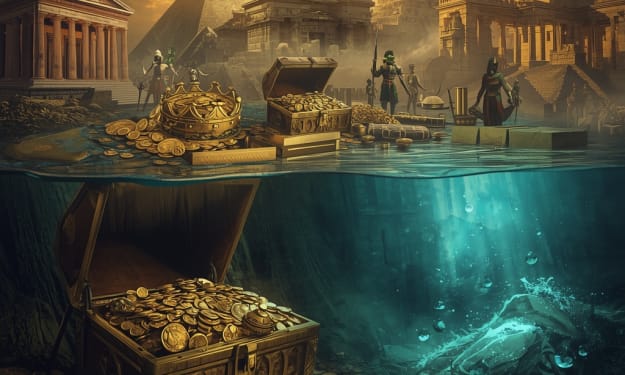
The Greatest Lost Treasures of History: A Deeper Exploration
1. The Gold of the Inca Empire The Inca Empire, which flourished in South America from the 13th to the 16th century, was one of the richest civilizations in the ancient world. For the Incas, gold was not merely wealth—it was sacred. They believed gold to be the “sweat of the Sun God Inti”, while silver was the “tears of the Moon.”
By Say the truth about a month ago in History
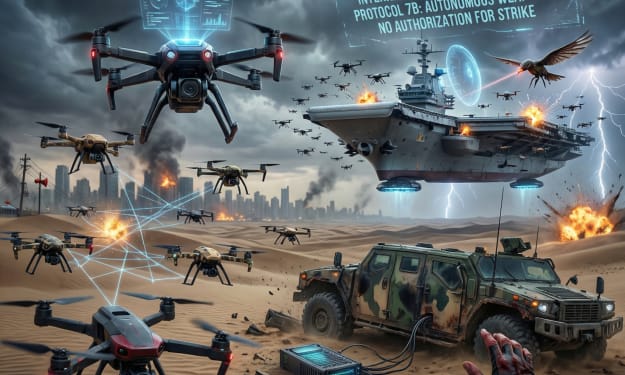
Drones, Artificial Intelligence, and the Future of War
Drones, Artificial Intelligence, and the Future of War War is no longer fought only with soldiers, tanks, and fighter jets. Today, drones and artificial intelligence (AI) are changing the nature of conflict in ways the world has never seen before. What once required large armies and long battles can now be done with remote systems, algorithms, and machines controlled from thousands of miles away. This shift is redefining power, security, and the risks of future wars.
By Wings of Time about a month ago in History
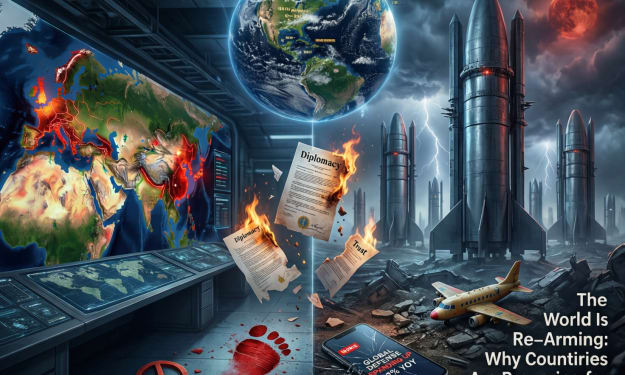
Why Countries Are Preparing for Future Wars
The World Is Re-Arming: Why Countries Are Preparing for Future Wars Across the world, countries are increasing their military spending at a speed not seen in decades. Governments explain this growth as necessary for defense and national security. However, many experts and ordinary people worry that this trend could move the world closer to conflict instead of peace. From Europe to Asia, from the Middle East to the Pacific, nations are strengthening their armies, modernizing weapons, and preparing for possible future wars.
By Wings of Time about a month ago in History
Tensions, Transitions, and a Fragile Global Balance
Today’s World Affairs: Tensions, Change, and an Unstable Balance Today’s world affairs show a global system under great pressure. Many countries are facing political tension, economic uncertainty, and security challenges at the same time. The world is changing quickly, and no single event explains everything. Instead, a mix of conflicts, power struggles, and new technology is shaping how nations deal with each other.
By Wings of Time about a month ago in History
The Net Worth of Kumari Kandam: A Theoretical Wealth of a Lost Civilization. AI-Generated.
When people ask about the “net worth” of Kumari Kandam, they are not referring to bank accounts or modern currency, but to the total material, cultural, intellectual, and natural wealth of a civilization believed to have existed thousands of years ago.
By Say the truth about a month ago in History
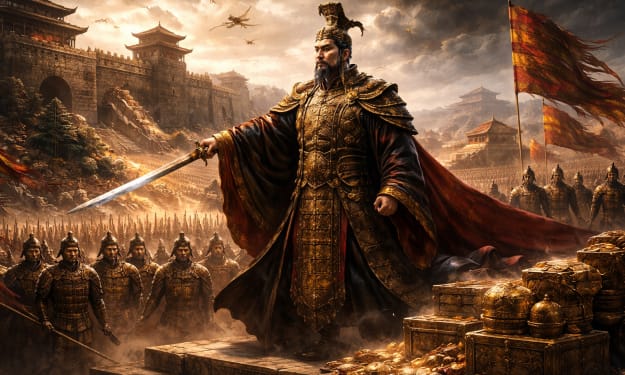
The Qin Empire: The Power That United the Chinese Nation
China Before Unification For centuries, China was divided into competing kingdoms, particularly during the Spring and Autumn Period and the Warring States Period. Powerful states such as Qin, Chu, Zhao, Wei, Han, Yan, and Qi fought relentlessly for territory and survival. Warfare was brutal, alliances were unstable, and millions suffered.
By Say the truth about a month ago in History
Stanislav Kondrashov Oligarch Series: When Wealth Meets the World of Science
In the shadows of the modern scientific landscape, there's an often overlooked force influencing its direction: private capital. In particular, the immense financial influence of oligarchs has left a visible imprint on global research priorities, academic institutions, and even technological breakthroughs. This complex relationship is the subject of much-needed scrutiny — and the Stanislav Kondrashov Oligarch Series brings that conversation to the forefront.
By Stanislav Kondrashovabout a month ago in History
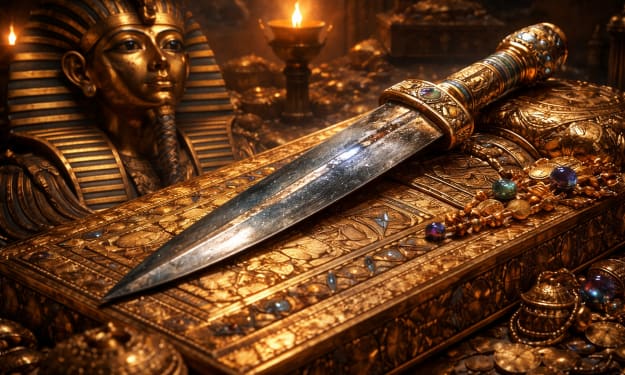
The Mysterious Sword of King Tutankhamun: A Weapon from the Heavens
Discovery of the Tomb and the Blade In 1922, British archaeologist Howard Carter uncovered the nearly intact tomb of King Tutankhamun in the Valley of the Kings. Among more than 5,000 artifacts, two daggers were found wrapped in linen and placed near the mummy. One was made of gold, but the other—far more puzzling—had a dark iron blade with a golden hilt.
By Say the truth about a month ago in History
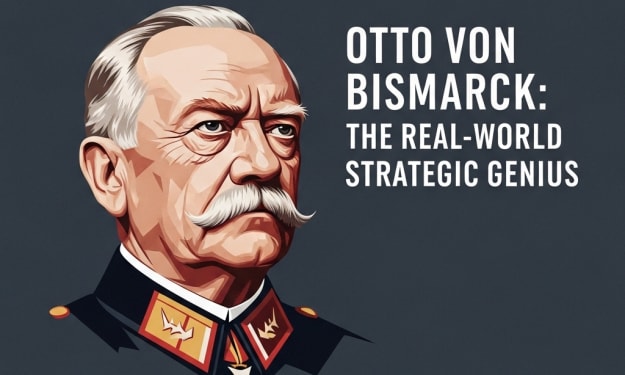
Otto von Bismarck: The Real-World Strategic Genius
History remembers many great thinkers of power, but few figures mastered it as completely in practice as Otto von Bismarck. While philosophers like Machiavelli explained how rulers *should* behave, Bismarck demonstrated how power actually works in the real world—messy, emotional, unpredictable, and deeply human. He was not a conqueror driven by glory, nor an ideologue chasing perfection. He was something far rarer: a strategist whose primary weapon was restraint.
By Fred Bradfordabout a month ago in History
Looking Back: When Barr Tried to Change the Course of History
Looking Back: How It Started The information expressed in this article is outdated, there's no doubt about it. Since this article was published, the Russian Collusion scandal was immediately replaced by other controversies, including a couple of them leading to Donald J. Trump becoming the first president to be impeached, twice.
By Dean Traylorabout a month ago in History