Places
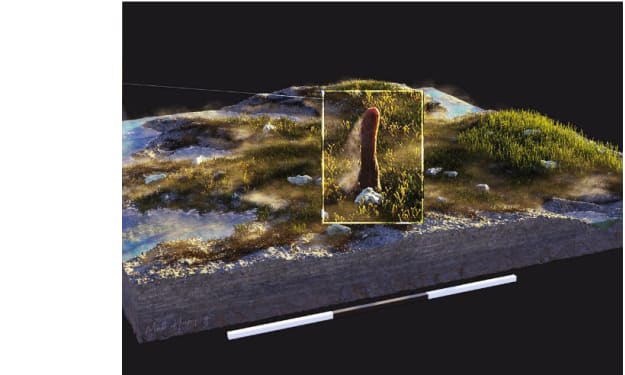
'Unknown life form' is the term scientists use to describe a 26-foot-tall fossil from 400 million years ago.
Prototaxites is a peculiar fossil that has baffled scientists for more than 165 years. It was odd even in appearance. It looked like a massive, leafless tree and reached a height of 26 feet.
By Francis Dami9 days ago in History
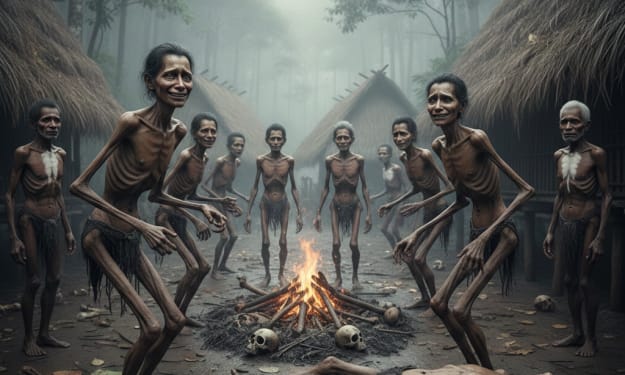
The Chilling Mystery of Kuru: The “Laughing Death” That Shocked the World
There are diseases… and then there are mysteries that haunt science for decades. Back in the 1930s, something terrifying was unfolding in the highlands of Papua New Guinea. Among the Fore people, a tribe of roughly 11,000 individuals, a strange illness was claiming around 200 lives every year.
By Areeba Umair10 days ago in History
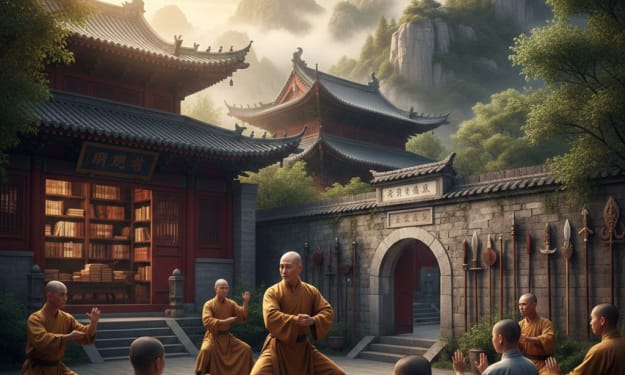
Shaolin Temple Secrets Revealed: The Real Story Behind Shaolin Kung Fu
When most people hear Shaolin Kung Fu, they picture flying kicks, shattered bricks, and warriors who move like something straight out of a movie. Maybe even someone like Bruce Lee dominating the screen with lightning-fast strikes.
By Areeba Umair10 days ago in History
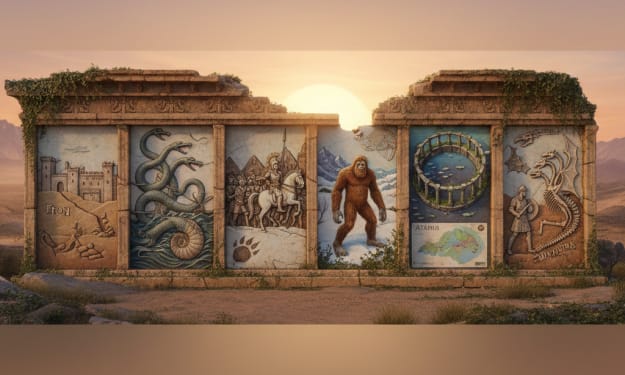
6 Ancient Legends That Were Surprisingly Real
Humans are natural storytellers. For thousands of years, myths and legends have ignited our imagination, fed our souls, and passed wisdom from one generation to the next. While many of these tales are just that, stories, some are rooted in real events, revealing fascinating truths about our planet and the universe.
By Areeba Umair11 days ago in History
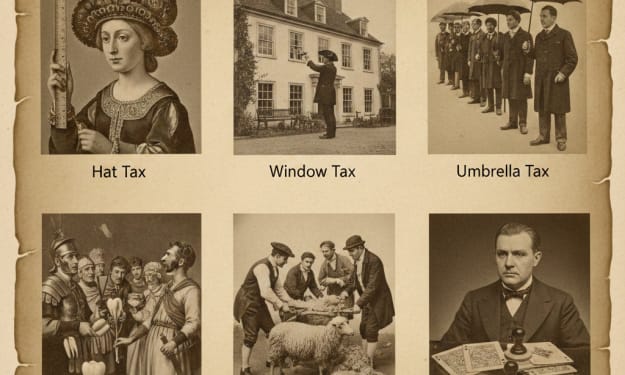
6 Bizarre Taxes From History That Will Make You Thank Modern Life
Throughout history, taxes haven’t always been about income or property. Some levies were downright bizarre, targeting everyday life, personal habits, and even your body. From medieval England to ancient Rome, here are six of the strangest taxes ever recorded.
By Areeba Umair11 days ago in History
The Silent Flight That Landed Without Life
The plane appeared out of nowhere. It was late evening. The sky was turning dark, and airport lights were shining like stars on the ground. Air traffic controllers were talking to normal flights, guiding them one by one, when suddenly a small dot appeared on the radar screen.
By Muhammad Ayaan 11 days ago in History
Botswana
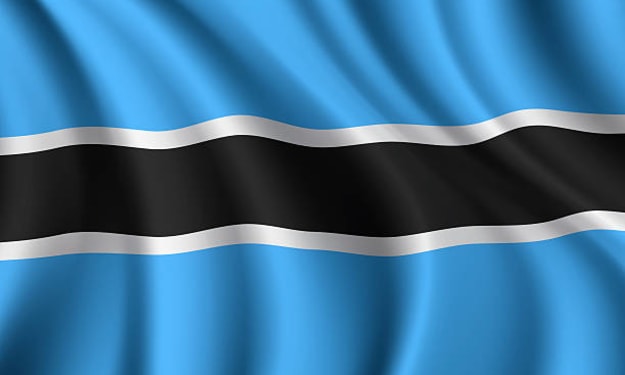
In the mid-20th century, the landlocked territory now known as Botswana was a sleepy British protectorate called Bechuanaland, a vast expanse of Kalahari sands and sparse settlements spanning over 580,000 square kilometers but home to fewer than 500,000 people. The 1950s marked a pivotal era of transition, as colonial winds of change swept across Africa. Under British oversight since 1885, Bechuanaland had been largely neglected, administered from distant South Africa until 1963. Yet, seeds of nationalism were sown early. In 1956, the Legislative Council was established, granting limited local input, but it was the formation of the Bechuanaland Democratic Party (BDP) in 1962 by Seretse Khama—exiled Tswana chief and future president—that ignited the independence flame. Khama, a Cambridge-educated leader with a controversial interracial marriage to Ruth Williams, symbolized a break from tribalism and colonial paternalism. By the late 1950s, economic stagnation and South Africa's apartheid shadow loomed large, pushing demands for self-rule. In 1960, a constitutional conference in London paved the way, and on September 30, 1966, Bechuanaland transformed into the Republic of Botswana, a beacon of stability amid the continent's turbulent decolonization.
By Mogomotsi Moremi12 days ago in History