World History
The Rise and Fall of Empires
Throughout human history, empires have risen and fallen, leaving behind legacies that shape the world we live in today. These powerful civilizations, built upon conquest, innovation, and cultural achievements, hold valuable lessons that offer insights into the dynamics of power, governance, and societal progress. In this article, we explore the rise and fall of some of history's greatest empires and the lessons we can learn from their triumphs and failures.
By MUGISHA Rabsson3 years ago in History
Robotics and automation. Content Warning.
In a small town nestled among vast fields and rolling hills, there lived a young farmer named Ethan. His family had tilled the land for generations, relying on hard work and perseverance to make ends meet. But as the years passed, Ethan found himself grappling with the challenges of modern farming.
By Bit Winner3 years ago in History
10 PRIESTS WHO CHANGED THE WORLD
10 PRIESTS WHO CHANGED THE WORLD Given the Catholic Church's historical sway, it is not unexpected that its adherents—many of whom are ordained religious—have had a tremendous influence on the world we live in. not just through theology, but also through philosophy and science. This list examines eleven priests who produced important discoveries or in other ways altered the way we perceive the world, live our lives, or hold our beliefs. It is hard to rank these religious leaders in any particular order because, in the majority of cases, they are the giants on whose shoulders we aspire to stand (nani gigantum humeris insidentes). There are undoubtedly many more equally outstanding religious works than those on this list, so it is in no way to be regarded a "top 10" list.
By R. Surendran3 years ago in History
The Beauty of Diversity
Introduction The world we live in is rich in diversity. Every country, every region, every community has its unique way of life and cultural background. This diversity is a reminder that we are all different in our own way, but this should not prevent us from celebrating our differences.
By Mohammad Imran3 years ago in History
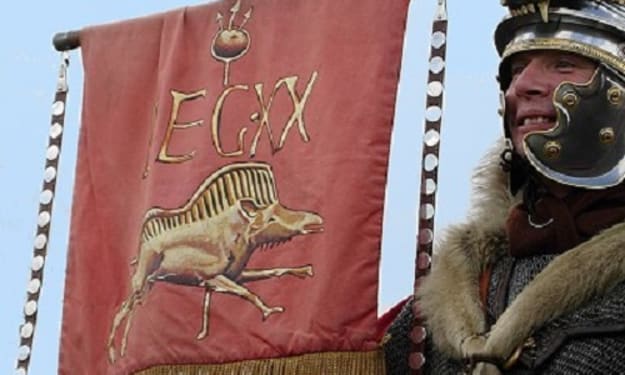
The Roman Legion
The Roman Legion: A Testament to Power and Conquest In the realm of military history, the Roman Legion stands out as a symbol of strength, discipline, and unparalleled martial skills. From the days of the Roman Republic to the peak of the Roman Empire, these powerful military units commanded respect and instilled fear in the hearts of their enemies. In this SEO-friendly, informative, and fun-to-read article, we will explore the various reasons behind the fame of the Roman Legion, delving into their military prowess, organizational structure, engineering feats, and more.
By Écrivain Placard3 years ago in History
Echoes of the Past, Songs of the Present: Unraveling the Enchanting Story of the Zulu Language
The Zulu language, spoken by the Zulu people of Southern Africa, carries within it the echoes of centuries-old stories, traditions, and wisdom. As a language enthusiast and curious traveler, I embarked on a personal journey to delve into the history, richness, and cultural depth of the Zulu language. In this heartfelt exploration, I invite you to join me on an enchanting voyage through time, as we unravel the intricate tapestry of the Zulu language, uncovering its roots, unique features, and enduring significance in the lives of the Zulu people.
By Ingrid Maibelo3 years ago in History
The Architectural Marvels of the Zulu Tribe: Celebrating a Legacy Carved in Stone
The Zulu Tribe of Southern Africa boasts a rich cultural heritage that extends beyond its vibrant traditions and art forms. Nestled within this tapestry of culture lies the architectural wonders created by the Zulu people. From imposing fortified homesteads to intricate kraals and sacred sites, Zulu architecture showcases the tribe's mastery of design, functionality, and adaptation to their environment. This article explores the remarkable architectural legacy of the Zulu Tribe, shedding light on the significance, construction techniques, and cultural symbolism embedded within their structures.
By Ingrid Maibelo3 years ago in History