
How to Find Lectures and Talks While Traveling.
Practical Ways to Learn from Experts Wherever You Go.


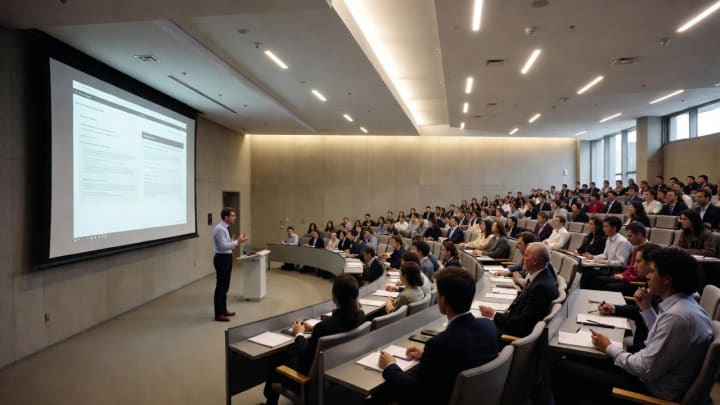
Travel offers more than sightseeing. Many cities host academic lectures, public talks, and intellectual discussions open to visitors. These events take place in universities, museums, libraries, cultural institutes, and research centers. Attending lectures during travel helps you gain knowledge while exploring new environments.
Scholars, students, writers, and curious travelers often seek opportunities to engage with ideas during their journeys. With careful planning, you locate interesting talks in almost any major city.
Why Attend Lectures While Traveling
Public lectures provide access to experts from different fields. Professors, researchers, artists, and policymakers frequently share insights through talks and panel discussions.
Attending such events offers several advantages.
• Exposure to new ideas and research
• Opportunities to meet scholars and professionals
• Deeper understanding of local culture and academic life
• Inspiration for personal research or writing
• Intellectual engagement beyond tourism
Travel combined with learning creates a richer and more meaningful experience.
Check University Event Calendars
Universities remain one of the best places to find lectures. Many institutions host public talks throughout the academic year.
Major universities often maintain online event calendars where visitors view upcoming lectures.
Examples include institutions such as University of Oxford, Harvard University, and University College London. These universities regularly organize seminars, guest lectures, book talks, and academic conferences open to the public.
Before traveling, visit university websites and search their events pages. Many events require simple online registration.
Visit Museums and Cultural Institutions
Museums frequently organize educational talks related to art, history, science, and culture.
For example, the British Museum hosts lectures about archaeology, ancient civilizations, and cultural heritage. Similarly, the Metropolitan Museum of Art offers presentations from historians, curators, and visiting scholars.
Museum talks often include visual presentations and discussions about famous artifacts or artworks.
These events combine education with cultural exploration.
Explore Libraries and Cultural Centers
Public libraries and cultural institutes provide excellent lecture programs.
Large libraries often invite authors, historians, and journalists for discussions and book talks.
Institutions such as the New York Public Library and the British Library regularly host intellectual events covering literature, politics, science, and global issues.
Many cultural centers connected to embassies also organize lectures related to international relations, arts, and language learning.
Use Online Event Platforms
Digital event platforms help travelers locate lectures in unfamiliar cities.
Websites and mobile apps list public events across many categories including education, science, and technology.
One widely used platform is Eventbrite. The platform lists public lectures, workshops, panel discussions, and conferences in cities worldwide.
Another useful tool is Meetup. This app connects people who organize intellectual gatherings, academic discussions, and book clubs.
Searching these platforms before and during travel helps identify interesting talks near your location.
Attend Academic Conferences
Large conferences often welcome visitors for selected sessions or keynote speeches.
Fields such as technology, medicine, business, and social sciences organize conferences in major cities each year.
Conference websites usually publish schedules and guest speaker lists. Some sessions allow free public attendance while others require registration.
These gatherings expose you to cutting edge research and professional networking opportunities.
Follow Academic and Cultural Organizations
Many organizations announce public lectures through newsletters and social media.
Academic societies, think tanks, and cultural foundations frequently host talks about global issues, research findings, and policy debates.
Following these organizations online helps travelers stay informed about upcoming events.
Think tanks such as Chatham House often organize discussions involving economists, diplomats, and researchers.
Registering for mailing lists ensures you receive announcements about lectures scheduled during your travel dates.
Ask Locals and University Students
Local students and researchers often know about upcoming academic events.
If you visit a university campus, ask students or faculty members about lectures happening that week. Many departments host seminars open to visitors but not widely advertised.
Campus bulletin boards and departmental offices sometimes display posters for upcoming talks.
Local knowledge often leads to unique learning opportunities.
Combine Tourism with Intellectual Exploration
Attending lectures during travel creates a balance between exploration and learning.
You might spend the morning visiting historic landmarks, then attend an afternoon talk at a university or museum. Evenings often include panel discussions or author presentations.
This approach transforms travel into an intellectually engaging experience.
Many travelers remember lectures they attended abroad as some of the most meaningful moments of their journeys.
Conclusion
Finding lectures and talks while traveling requires curiosity and planning. Universities, museums, libraries, cultural institutes, and online platforms provide many opportunities for learning.
Institutions such as the University of Oxford, the British Museum, and the New York Public Library regularly host events open to the public.
By exploring these opportunities, you transform travel into an educational adventure. Listening to experts, engaging in discussions, and meeting new thinkers enrich both your knowledge and your travel experience.
About the Creator
Wilson Igbasi
Hi, I'm Wilson Igbasi — a passionate writer, researcher, and tech enthusiast. I love exploring topics at the intersection of technology, personal growth, and spirituality.
Keep reading
More stories from Wilson Igbasi and writers in Humans and other communities.
The Best Destinations for Art History Lovers.
Art history offers a window into human creativity across centuries. Paintings, sculptures, architecture, and cultural artifacts reveal how societies expressed ideas, beliefs, and emotions. For art history lovers, traveling to major cultural destinations provides direct contact with masterpieces that shaped global culture.
By Wilson Igbasiabout 2 hours ago in Humans
The Many Worlds Of The Soul: Why Consciousness Does Not End And Why Lessons Continue
The idea that we die once and disappear forever is a belief that many people accept without question. It is simple, final, and easy to understand. But many spiritual traditions, and even some scientific theories, suggest that this is not how reality works. They teach that consciousness does not end. They teach that energy cannot be destroyed. They teach that the soul continues to learn, grow, and move through different experiences, even when the physical body stops.
By Julie O'Hara - Author, Poet and Spiritual Warrior7 days ago in Humans
I was in a Toxic Relationship, with my Workplace
“You got that?” My ex yelled. His hands were balled into fists at his side. At six foot three, he towered over me. A normal person would have been afraid, but I looked up a video of George Lopez repeatedly saying, “I got this,” and showed it to him. I had grown used to this treatment, so much so that I didn’t blink when he ripped the phone from my hand and threw it across the room.
By Jade M.7 days ago in Confessions




Comments
There are no comments for this story
Be the first to respond and start the conversation.