
CME Restarts Gas and Metals Futures Trading After Glitch
Technical Disruption Briefly Halts Energy and Metals Markets Before Trading Resumes

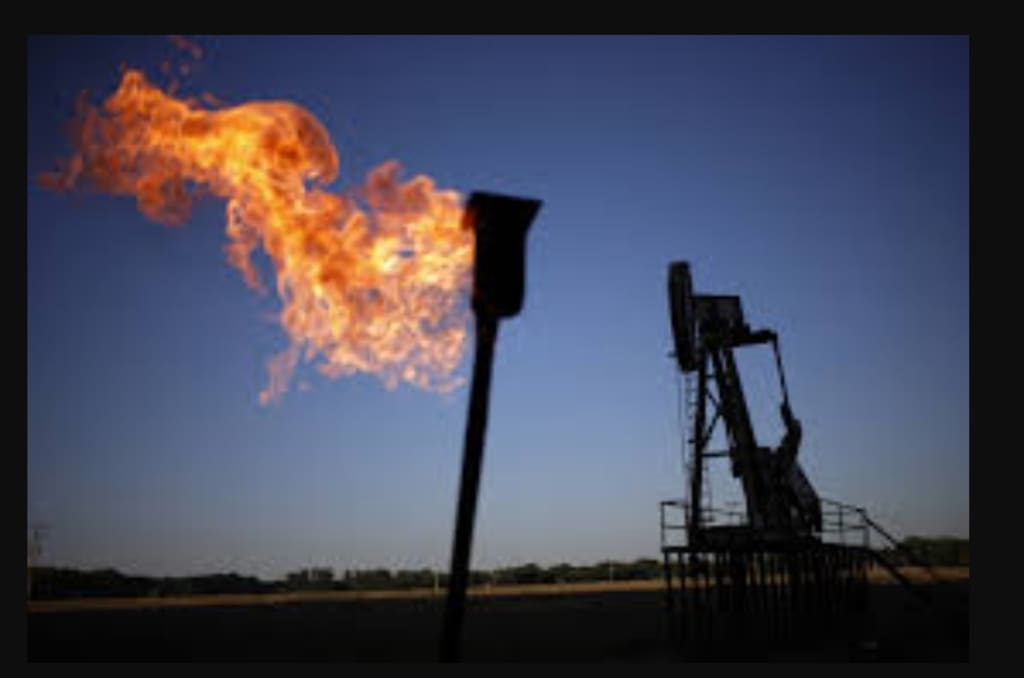
Trading in natural gas and metals futures contracts resumed after a temporary technical disruption at Chicago Mercantile Exchange (CME) interrupted activity across key commodity markets. The unexpected glitch paused trading during active market hours, drawing attention from traders, energy firms, and financial institutions that rely on uninterrupted access to derivatives markets.
Although the issue was resolved within hours, the incident highlights how dependent modern financial systems are on complex electronic trading infrastructure.
What Happened at CME?
The disruption affected futures contracts linked to natural gas and various metals, including widely traded industrial commodities. Market participants reported difficulty executing orders, with certain contracts temporarily unavailable for trading.
CME, one of the world’s largest derivatives marketplaces, later confirmed that a technical systems issue had caused the interruption. After diagnosing and resolving the problem, exchange operators restored trading and implemented safeguards to ensure stability.
While no immediate evidence suggested data breaches or market manipulation, even brief outages in derivatives trading can create uncertainty in volatile commodity markets.
Why Gas and Metals Futures Matter
Futures contracts allow businesses and investors to hedge against price fluctuations in commodities such as natural gas, gold, copper, and aluminum. Energy companies, manufacturers, airlines, and institutional traders depend on these instruments to manage financial risk.
Natural gas futures, in particular, are closely watched because gas prices influence electricity generation, heating costs, and industrial production. Metals futures also serve as economic indicators, reflecting global demand trends in construction, manufacturing, and infrastructure development.
When trading pauses unexpectedly, price discovery—the process by which markets determine fair value—can be temporarily disrupted.
Market Reaction
Following the resumption of trading, price volatility remained contained. Analysts noted that the rapid restoration of services likely prevented broader market instability.
Commodity markets are highly sensitive to geopolitical developments, weather patterns, and economic data. An extended outage during periods of heightened volatility could amplify price swings once trading resumes.
In this case, however, CME’s relatively swift response limited spillover effects into related markets such as equities and currency trading.
The Role of Technology in Modern Exchanges
Electronic trading platforms have transformed global finance. Unlike traditional open-outcry systems that relied on physical trading floors, today’s exchanges operate through sophisticated digital networks capable of processing millions of transactions per second.
While automation increases efficiency and liquidity, it also introduces technological risk. Software malfunctions, connectivity failures, or infrastructure overloads can interrupt market operations.
Exchanges invest heavily in redundancy systems, cybersecurity defenses, and monitoring protocols to prevent disruptions. Even so, occasional technical glitches are an inherent risk in high-speed financial ecosystems.
Regulatory Oversight and Safeguards
As a regulated exchange, CME operates under oversight from U.S. financial authorities. Exchanges are required to maintain contingency plans and incident response protocols to minimize systemic risk.
Market participants expect transparency when technical issues arise. Timely communication helps prevent speculation and maintains confidence in trading systems.
In the aftermath of the glitch, analysts anticipate that internal reviews will assess the root cause and determine whether additional safeguards are necessary.
Broader Implications for Commodity Markets
Commodity markets serve as foundational components of the global economy. From energy pricing to industrial supply chains, futures contracts provide critical tools for risk management and price forecasting.
Even short-lived disruptions can serve as reminders of market interconnectedness. Energy and metals futures influence not only producers and investors but also consumers worldwide through pricing impacts.
The incident underscores the importance of operational resilience in exchanges that underpin global trade flows.
Investor Confidence and System Stability
Despite the temporary halt, investor confidence in CME’s infrastructure appears largely intact. The exchange has a long-standing reputation as one of the most established derivatives marketplaces globally.
Market participants generally differentiate between isolated technical events and systemic vulnerabilities. Quick restoration of trading services can mitigate reputational damage.
However, as financial systems become increasingly digitized, stakeholders continue to emphasize the need for robust testing, real-time monitoring, and backup systems.
Looking Ahead
As trading continues uninterrupted following the glitch, attention will likely shift back to fundamental drivers influencing gas and metals prices. Seasonal energy demand patterns, global industrial activity, and macroeconomic indicators remain central to market direction.
The episode may also prompt broader discussions about infrastructure modernization and cybersecurity investment within financial exchanges.
Conclusion
The temporary halt and swift restart of gas and metals futures trading at the Chicago Mercantile Exchange highlight both the efficiency and vulnerability of modern electronic markets. While the glitch briefly disrupted commodity trading, rapid resolution prevented significant market fallout.
In an era where global finance operates at digital speed, operational resilience remains essential. For traders, investors, and businesses that depend on derivatives markets, stability and transparency are critical to maintaining trust in the financial system.
As CME resumes normal operations, the incident stands as a reminder that even highly advanced systems require constant vigilance to safeguard the smooth functioning of global markets.
About the Creator
Asad Ali
I'm Asad Ali, a passionate blogger with 3 years of experience creating engaging and informative content across various niches. I specialize in crafting SEO-friendly articles that drive traffic and deliver value to readers.
~ Fired ~
— Ai Intrusion ~ Are you Next ~ Is Ai Evolution after your job? — Few workplaces haven't been affected. Ai is in supermarkets, at doctors' offices, and even monitoring farms. I just can't think of anything this machine is not getting into, can you? For instance: Education ~ Law and Tech jobs will one day have a major influence or be taken over by these inanimate machines, with accuracy and vigor. From mechanics' diagnoses to a wide variety of everyday jobs, including fast food workers, with this input having the ability to cut their unnecessary work hours. I'm certain all of us have been touched by this with our short stories and colorful headings, have you? Even comments are very questionable 'Non-Robot' insertions.
By Jay Kantor25 days ago in Journal
Why Consistency Builds More Trust Than Creativity in Digital Design
A product’s growth and usability depend on strategic UI/UX design, and the interface's familiarity. A familiar interface will be using the same design elements throughout the page to ensure visual, functional, and content-wise consistency.
By Design Studio UI UX6 days ago in Journal


Comments
There are no comments for this story
Be the first to respond and start the conversation.