
Complete Guide to Types Of Tank, Benefits, and Installation
Learn everything about tanks including types, benefits, installation tips, maintenance, and how to choose the right tank for your needs.


Water tanks are essential for storing clean water for residential, commercial, agricultural, and industrial use. Whether for homes, buildings, farms, or factories, choosing the right water tank ensures a reliable water supply and long-term durability.
Among the many types available today, the GRP tank (Glass Reinforced Plastic tank) has become one of the most popular options because of its strength, corrosion resistance, and long lifespan.
In this guide, you will learn what water tanks are, how GRP tanks work, their advantages, installation process, and how to choose the right tank for your needs.
What is a Water Tank?
A water tank is a container designed to store water safely for domestic, commercial, agricultural, or industrial use.
Water tanks help ensure a continuous water supply when municipal water is unavailable or pressure is low.
Common uses of water tanks include:
Household water storage
Commercial building water supply
Irrigation systems
Fire protection systems
Industrial water storage
Emergency backup water supply
Modern water tanks are designed to be durable, hygienic, and resistant to environmental conditions.
What is a GRP Tank?
A GRP tank (Glass Reinforced Plastic tank) is a high-strength water storage tank made from fiberglass reinforced plastic materials.
GRP tanks are constructed using fiberglass layers combined with resin to create a lightweight yet extremely strong structure.
These tanks are widely used in:
High-rise buildings
Commercial complexes
Hospitals
Industrial facilities
Municipal water systems
Fire water storage systems
GRP tanks are usually modular, meaning they are assembled panel by panel at the installation site.
Types of Water Tanks
There are several types of water tanks available depending on the material and purpose.
1. Plastic Water Tanks
Plastic tanks are commonly used in residential buildings.
Features:
Lightweight
Affordable
Easy to install
UV resistant
These tanks are typically made from polyethylene.
2. GRP Water Tanks
GRP tanks are widely used in commercial and industrial applications.
Features:
High structural strength
Long lifespan
Modular design
Resistant to corrosion and rust
3. Stainless Steel Tanks
These tanks are used where high hygiene standards are required.
Features:
Excellent corrosion resistance
Durable
Suitable for drinking water storage
4. Concrete Water Tanks
Concrete tanks are typically built underground or as permanent structures.
Features:
Extremely strong
Long lasting
Suitable for large capacity storage
Benefits of GRP Tanks
GRP tanks offer several advantages compared to traditional water storage systems.
1. High Strength and Durability
GRP tanks are reinforced with fiberglass, making them strong enough to handle large water capacities and environmental stress.
They can last 20 to 30 years or more with proper maintenance.
2. Corrosion and Rust Resistance
Unlike metal tanks, GRP tanks do not rust or corrode when exposed to water or humidity.
This makes them ideal for coastal and humid environments.
3. Modular Design
GRP tanks are assembled using panels.
This allows installation in areas where large tanks cannot be transported.
They can also be expanded later by adding more panels.
4. Lightweight Structure
Compared to concrete or steel tanks, GRP tanks are much lighter.
This reduces transportation and installation costs.
5. Hygienic Water Storage
GRP tanks are designed with smooth internal surfaces that help prevent bacterial growth and contamination.
This makes them suitable for potable water storage.
How GRP Tanks Work
GRP tanks store water using a panel-based modular system.
The process includes:
Individual fiberglass panels are manufactured.
Panels are transported to the installation site.
Panels are assembled using bolts and sealing materials.
Internal reinforcement structures provide strength.
The tank is connected to inlet and outlet water pipelines.
This system allows tanks to be built in very large sizes, even for municipal or industrial water storage.
Step-by-Step Guide to Installing a Water Tank
Proper installation ensures safety and long-term performance.
Step 1: Prepare the Foundation
A strong and level concrete base is required to support the tank.
Step 2: Assemble the Tank Structure
For GRP tanks, panels are connected using stainless steel bolts and sealing gaskets.
Step 3: Install Internal Supports
Internal braces or tie rods provide structural stability.
Step 4: Connect Plumbing
Water inlet, outlet, overflow, and drain pipes are installed.
Step 5: Leak Testing
The tank is filled with water to ensure there are no leaks.
GRP Tank vs Plastic Water Tank
Feature GRP Tank Plastic Tank
Strength Very High Moderate
Capacity Large capacity Limited capacity
Lifespan 20–30 years 8–15 years
Installation Modular assembly Pre-manufactured
Best Use Commercial & industrial Residential
GRP tanks are preferred for large projects, while plastic tanks are suitable for homes.
Common Mistakes When Choosing a Water Tank
Many buyers make mistakes when selecting a water tank.
Avoid these common issues:
Choosing insufficient capacity
Ignoring water quality requirements
Not checking installation space
Using low-quality materials
Poor foundation preparation
Proper planning helps avoid costly repairs later.
Maintenance Tips for Water Tanks
Regular maintenance keeps water safe and extends tank life.
Important maintenance practices include:
Cleaning the tank every 6–12 months
Inspecting for leaks or cracks
Checking pipe connections
Removing sediment buildup
Ensuring lids remain tightly closed
For large GRP tanks, professional inspection is recommended.
Final Thoughts
Water tanks play a vital role in ensuring reliable water storage for homes, buildings, and industries.
Among the available options, GRP tanks provide excellent durability, strength, and flexibility, making them a preferred choice for large-scale water storage systems.
By choosing the right tank size, material, and installation method, you can ensure safe and efficient water storage for many years.
About the Creator
Keep reading
More stories from Solution Boxes and writers in Journal and other communities.
How to Take Care of Knock Off Designer Bags So They Last Longer
People buy knock off designer bags for the same reason they buy any bag: to use it. The irony is that most of the visible “quality differences” people complain about in fake designer bags show up less because of how the bag was made and more because of how the bag is treated after it arrives. Corners get shredded on rough surfaces, edge paint cracks from dryness and friction, hardware gets scratched by keys, and straps deform because the bag is overloaded like it’s a gym duffel.
By Solution Boxes2 months ago in Journal
Time for China to Move From ‘Product Export’ to ‘System Export’ in Aviation Arms Trade: NPC Deputy
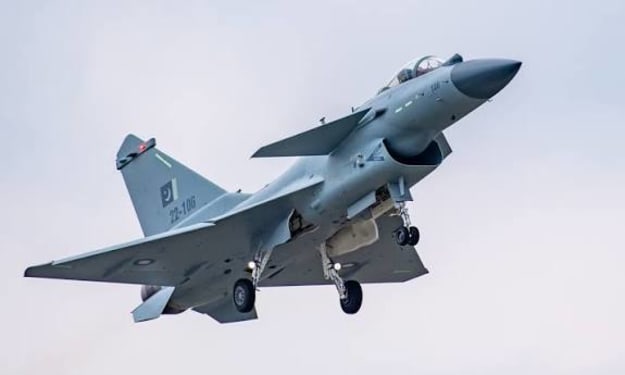
China is increasingly pushing for a strategic shift in its defence industry — moving beyond simply exporting military products to becoming a global exporter of fully integrated defence systems. That was the message delivered this week by NPC Deputy Zhang Wei, a member of the National People’s Congress, during a high‑profile defence industry forum in Beijing. Zhang’s comments underscore China’s ambitions to compete more directly with the United States and other major arms exporters in the global aviation and military hardware market. “The era in which we are content to sell standalone products — fighters, missiles, radars — must give way to a pursuit of complete systems that integrate across air, space, and cyberspace,” Zhang told delegates. “This is not just an industrial upgrade, but a strategic imperative if China is to deepen partnerships with foreign militaries and contribute to international security.” From “Product” to “System” Export For decades, Chinese defence exports have primarily consisted of “products”: individual platforms such as aircraft, helicopters, surface‑to‑air missiles, and naval vessels. Many of these offerings — notably the Chengdu J‑10, Hongdu L‑15, and various drone types — have found buyers in Africa, Southeast Asia, and the Middle East, particularly among countries seeking more affordable alternatives to Western hardware. However, the global arms trade has increasingly shifted toward integrated systems — packages that include not just the hardware itself but command‑and‑control infrastructure, logistics support, training, and ongoing upgrades. Western defence firms, particularly those in the United States and Europe, now sell such systems to allied militaries, bolstered by long‑term service contracts and interoperability with existing Western military networks. Zhang emphasised that China must position itself to offer not just platforms, but “complete solutions” for prospective buyers. “Our emphasis must move from what the hardware can do on its own to what it can achieve in the context of a broader defence ecosystem,” he said, echoing similar calls from senior equipment designers and People’s Liberation Army (PLA) strategists. Strategic Rationale and Global Context China’s defence industry has made impressive strides in recent decades. Its jets, UAVs, and missiles now rival many Western designs on performance metrics, and Beijing has steadily improved its ability to produce advanced microelectronics, sensors, and propulsion systems. Yet its share of the international arms market remains significantly smaller than that of the United States Department of Defense and European exporters such as France’s Dassault Aviation and the United Kingdom’s BAE Systems. According to SIPRI arms transfer data, China accounted for roughly 5 per cent of global major arms exports in recent years, compared with about 37 per cent for the United States. European exporters together held another large share. China’s market presence is strongest in nations that often face sanctions or restrictions on Western equipment, including Pakistan, Myanmar, and some African states. By promoting system exports, China hopes to expand beyond these traditional markets and appeal to countries seeking high‑end, interoperable defence solutions without political restrictions tied to Western alliances. This could include emerging aviation systems tied to integrated air‑defence networks, logistics‑management suites, and even cyber‑enabled maintenance systems that increase uptime and reduce lifecycle costs. Aviation and the Arms Trade Aviation remains at the centre of this strategic shift. Integrated solutions in the aviation domain now include not just the aircraft themselves but weapons payloads, datalinks, sensor fusion packages, and training simulators that allow air forces to operate effectively as part of multi‑domain battle networks. Zhang cited recent advances by China’s defence conglomerates — including Aviation Industry Corporation of China (AVIC) and China Aerospace Science and Industry Corporation (CASIC) — as evidence that China now has the industrial base to pursue integrated offerings. “We have matured to the point where we can offer not just discrete aircraft but entire aerial ecosystems that include surveillance, strike, and defensive capabilities working in concert,” he said. Challenges and Skepticism Despite the ambition, analysts warn that China faces several obstacles in making the leap from product to system exporter. These include questions about interoperability with existing military frameworks in buyer countries, intellectual property concerns, and political apprehension — particularly among nations wary of close ties with Beijing. There are also internal challenges. China’s defence industry has historically focused on producing equipment for its own PLA needs, which do not always translate directly to export markets. Building robust after‑sales support networks — critical for system exports — requires investment in foreign infrastructure and long‑term commitments that many Chinese firms have historically been reluctant to make. What This Means for the Global Arms Market If China succeeds, the implications for the global arms trade could be significant. Western exporters, which have long dominated the market for integrated defence systems, could face increased competition in regions where cost, neutrality, and fewer political strings are attractive to buyers. Additionally, a more competitive Chinese offer could encourage buyers to demand better terms and interoperability regardless of source, potentially raising capabilities across multiple regions. Zhang’s comments signal a strategic recalibration within China: an effort to redefine its role not just as a producer of defence hardware, but as a provider of complex, sustained defence solutions. Whether that shift takes hold will depend on China’s ability to build trust with buyers, invest in global support infrastructure, and continue improving the technological sophistication of its offerings.
By Fiaz Ahmed 2 days ago in Journal



Comments