Fiaz Ahmed
Bio
I am Fiaz Ahmed. I am a passionate writer. I love covering trending topics and breaking news. With a sharp eye for what’s happening around the world, and crafts timely and engaging stories that keep readers informed and updated.
Stories (1268)
Filter by community
Trump Makes Iran Missile, Protest Deaths Claims; Tehran Slams ‘Big Lies’. AI-Generated.
In a contentious moment during his State of the Union address, Donald Trump issued a series of forceful accusations against Iran, asserting that Tehran is pursuing long-range missiles and bears responsibility for thousands of protest deaths — claims Tehran has vehemently rejected as “big lies” amid rising tensions and ongoing diplomatic talks. Trump’s remarks, delivered to a joint session of the U.S. Congress, underscored his administration’s hardline stance toward Iran while warning of continued military readiness if diplomacy does not yield substantial concessions from Tehran. In his record-length speech, Trump said the United States will “never allow” Iran to acquire nuclear weapons and reiterated warnings that Tehran’s leaders are pursuing what he described as “sinister ambitions” in both nuclear and missile capabilities. Accusations of Nuclear and Missile Ambitions At the heart of Trump’s address were allegations that Iran was working to rebuild its nuclear programme and develop ballistic missiles capable of threatening U.S. territory. Trump claimed that after U.S. and Israeli strikes on Iranian nuclear sites in 2025, Tehran continued efforts to resurrect its weapons infrastructure, including developing missiles that could reach the United States and Europe. “We wiped it out and they want to start all over again,” Trump said, describing Iran’s actions as evidence of hostile intent. He also accused Tehran of threatening U.S. allies and interests overseas with long-range missile technology, though independent assessments note that Iran still lacks an operational intercontinental ballistic missile capability and would require years to develop one. Protest Death Toll: Disputed Figures Trump also addressed Iran’s internal unrest, claiming that Iranian authorities were responsible for the deaths of up to 32,000 protesters during antigovernment demonstrations that erupted late last year. Human rights groups and regional observers describe the unrest as one of Iran’s most significant protest movements in years, but figures on fatalities vary widely and are difficult to verify independently. Iran’s own government reported around 3,117 deaths, attributing the violence to “terrorist acts” amid a broader security crackdown, while some human rights organizations report several thousand confirmed fatalities. Trump’s figure far exceeds both the official Iranian count and independent estimates, making it a conspicuous element of his speech. Tehran’s Sharp Rebuttal Iran responded swiftly to Trump’s claims, with the Ministry of Foreign Affairs of Iran dismissing the allegations about missiles, nuclear ambitions, and protest deaths as outright fabrications. Spokesman Esmaeil Baghaei called the accusations “a repetition of ‘big lies’” in a post on the social media platform X, accusing the United States and its allies of disseminating misinformation to justify pressure on Tehran. “Iran has repeatedly denied that it is seeking nuclear weapons or developing missiles aimed at the United States,” Baghaei said, arguing that the claims are part of a broader disinformation campaign. He derided the repeated assertions as propaganda, invoking the idea that repeated falsehoods can create an “illusion of truth.” Diplomacy Amid Escalation Trump’s remarks came just ahead of the third round of indirect nuclear negotiations scheduled to take place in Geneva, mediated by Oman and attended by U.S. envoys and Iranian officials. Despite the heightened rhetoric, U.S. and Iranian delegations have agreed to return to the table, suggesting that diplomacy remains a parallel track even as both sides issue public warnings. The United States has also deployed significant military assets to the Middle East, including carrier strike groups and additional forces intended to signal readiness should diplomatic talks falter. Iranian officials have responded that they seek a deal grounded in mutual respect but warn that any military strike would be met with decisive defensive action. Political Reaction in Washington Trump’s declarations elicited bipartisan reactions in Washington. Supporters applauded his strong posture toward Tehran, arguing that deterrence requires assertive rhetoric and credible threat of force. Critics, including some Democratic lawmakers, questioned the accuracy of the claims presented and urged greater reliance on verifiable intelligence and sustained diplomatic engagement. Regional and Global Impact The exchange between Washington and Tehran has reverberated across the Middle East and beyond, contributing to geopolitical uncertainty and influencing energy markets and regional alliances. Allies and rivals alike are watching closely, with some nations warning their citizens about travel to Iran amid the tensions. As negotiations proceed and allegations continue to fly, the episode highlights both the deep mistrust between the United States and Iran and the complex interplay between military posture and diplomatic efforts. Whether Trump’s rhetoric serves to strengthen negotiating leverage or further entrenches divisions remains a central question in one of the most consequential foreign policy challenges facing both capitals.
By Fiaz Ahmed about 9 hours ago in The Swamp
Modi’s Israel Visit to Test India’s Priorities in the Middle East. AI-Generated.
Indian Prime Minister Narendra Modi’s upcoming state visit to Israel is being closely watched as a barometer of New Delhi’s evolving priorities in a geopolitically complex Middle East. It comes at a time when India is navigating a delicate balance between deepening security ties with Tel Aviv and sustaining longstanding partnerships with Arab states, particularly in energy and trade. The visit — the latest in a series of high-level engagements — is expected to solidify cooperation on defense, technology, and counterterrorism, and to explore new avenues for economic collaboration. However, it also poses diplomatic challenges. India’s traditional non-aligned foreign policy and its historic support for Palestinian statehood complicate closer ties with Israel. How New Delhi manages these competing demands during and after the visit will offer insight into its strategic priorities in the region. Security and Defense Cooperation One of the centrepieces of the India–Israel relationship has been defense cooperation. The two countries have strengthened ties since formal diplomatic relations were established in 1992, particularly in areas such as counterterrorism, intelligence sharing, and high-tech military equipment. Israeli firms are key suppliers of surveillance systems, drones, missile defense technology, and cybersecurity solutions to India’s armed forces. New Delhi is expected to discuss procurement deals and expand joint research initiatives during Modi’s visit, highlighting a pragmatic approach to national security. Indian analysts argue that cooperation with Israel enhances India’s capacity to respond to asymmetric threats, whether on its borders or in cyberspace. “The strategic benefits are tangible,” said a security expert in New Delhi. “Israel’s technology and experience in counterterrorism are assets for India’s security calculus.” Economic and Technological Prospects Beyond defense, economic engagement is expected to feature prominently on the agenda. Israel’s strengths in agriculture technology, water management, and innovation ecosystems are areas where Indian policymakers see potential for greater collaboration. The two nations signed a free trade agreement in 2019, and officials are pushing to leverage this framework for increased bilateral investment and trade. Technology startups, venture capital ties, and joint research initiatives in sectors such as renewable energy and healthcare are seen as opportunities that could benefit both economies. Balancing Acts: Palestine and the Arab World Despite these opportunities, India faces diplomatic sensitivities. Traditionally, New Delhi has maintained strong support for a two-state solution and cultivated warm relations with Arab states, which are vital providers of energy and hosts to millions of Indian expatriates. India’s ties with Gulf states such as Saudi Arabia and United Arab Emirates have grown substantially in recent years, driven by energy imports, investment flows, and cooperation on issues such as labor and security. These relationships are crucial to India’s economy and its diaspora. Modi’s visit to Israel underscores New Delhi’s effort to broaden strategic partnerships without undermining its standing in the broader Muslim world. Government spokespeople have reiterated India’s support for Palestinian rights and emphasized that cooperation with Israel does not contradict its longstanding policy. “India will pursue relationships that further its national interests while respecting its commitments to peace and justice,” a foreign ministry official said. Regional and Global Implications The visit also takes place against the backdrop of shifting regional dynamics. The Abraham Accords have normalized relations between Israel and several Arab states, opening space for new diplomatic alignments that India may seek to leverage. Meanwhile, regional tensions involving Iran, Yemen, and Syria continue to pose challenges for stability. New Delhi’s foreign policy makers appear intent on navigating these complexities by positioning India as an independent actor — one that engages with all parties based on mutual interests rather than ideological alignment. Washington has welcomed closer India–Israel ties, seeing them as part of a broader strategy to reinforce alliances in Asia and the Middle East amid rising competition with China. At the same time, India’s engagement with Iran, particularly on energy and infrastructure projects, is a reminder of its multidimensional approach. Domestic Considerations Modi’s visit also resonates with domestic political audiences. India’s large Jewish community and its growing tech and startup sectors have lauded enhanced ties with Israel. However, critics caution that stronger defense and security cooperation should not overshadow India’s commitment to multilateralism and conflict resolution. “Strategic autonomy means weighing interests carefully,” said a foreign policy academic in New Delhi. “India must ensure that its partnerships promote stability rather than exacerbate regional divides.” Looking Ahead As Modi arrives in Tel Aviv, the diplomatic choreography will require careful navigation of competing priorities — strengthening bilateral ties with Israel while preserving India’s historical relationships in the Arab world and commitment to broader regional peace. The outcomes of high-level talks, joint communiqués, and future agreements will offer a clearer picture of where India’s strategic compass is pointing in the Middle East. For New Delhi, the challenge is not merely diplomatic symbolism, but the practical balancing of national interests in a region where alignments have shifted dramatically over the past decade.
By Fiaz Ahmed about 9 hours ago in The Swamp
Surviving Strike, Shamkhani Resumes Central Role in Iran’s ‘War Room’. AI-Generated.
Ali Shamkhani, a veteran Iranian security figure who survived an Israeli strike on his home in Iran last year, has returned to a central role in Tehran’s strategic decision-making apparatus, illustrating both his resilience and the Islamic Republic’s reliance on experienced hands amid escalating tensions with the United States and Israel. At 70, Shamkhani is one of Iran’s most enduring security policymakers, a trusted adviser to Ali Khamenei, and now secretary of the newly established Defence Council — a body tasked with coordinating Tehran’s response to current geopolitical challenges, including potential U.S. military actions if diplomacy over Iran’s nuclear programme falters. Return to the Heart of Security Policy Shamkhani’s comeback follows a dramatic ordeal in June 2025, when an Israeli strike destroyed his Tehran home. He was pulled alive from the rubble, later publicly taunting the attackers with the words “Bastards, I am alive,” likening his escape to the prison-break hero of the film Papillon in an interview with Iranian filmmaker Javad Mogouei. Despite the physical and psychological trauma of that strike, Shamkhani has re-emerged at the core of Iran’s strategic leadership during what is widely seen in Tehran as a pivotal standoff with Washington. His appointment to head the Defence Council — created after last year’s brief but intense 12-day conflict involving military strikes by Israel and the U.S. on Iranian nuclear and military targets — reflects Tehran’s confidence in his counsel. A Career Forged in Conflict Born in 1955 into an ethnic Arab family in Iran’s southwestern Khuzestan, Shamkhani’s career began in earnest during the brutal Iran-Iraq War (1980–1988), where he served with distinction and rapidly advanced within the ranks of the Islamic Revolutionary Guard Corps (IRGC). Shamkhani’s diverse portfolio over four decades has spanned military command, strategic negotiation, and diplomacy. After the Iran-Iraq War, he led both IRGC and regular naval forces, emphasising asymmetric tactics to counter conventionally superior adversaries. In the late 1990s and early 2000s, he served as Iran’s defence minister, where he led a landmark visit to Saudi Arabia — the first by an Iranian defence official since the 1979 revolution — in a bid to ease bilateral tensions. More recently, Shamkhani played a significant role in re-establishing diplomatic ties with Saudi Arabia in 2023 under Chinese mediation, ending an eight-year rupture following the storming of the Saudi embassy in Tehran by demonstrators. Nuclear Talks and Strategic Direction Shamkhani has also been a key figure in nuclear negotiations. During the implementation of the 2015 nuclear agreement with world powers, he was involved in shaping Iran’s negotiating positions and later navigated policy after the U.S. withdrawal in 2018. While his exact role in current Geneva talks remains behind the scenes, his influence on Iran’s strategic posture is seen as significant. In recent months, he has issued stern warnings on social media against any U.S. military action, saying that even limited strikes would be viewed as acts of war and could trigger “immediate, all-out” responses, including retaliation against Tel Aviv and supporting states. Controversies and Sanctions Shamkhani’s prominence has also brought scrutiny. He and his family have faced allegations of involvement in networks facilitating the movement of sanctioned oil, including accusations that his son’s operations helped Tehran and Moscow evade Western sanctions — charges Shamkhani has not publicly addressed. U.S. Treasury sanctions have targeted both Shamkhani and his son. While his return to power underscores his resilience and prestige, it also highlights internal tensions in Iran’s political-military elite, where loyalty, strategic vision, and experience are weighed against perceptions of corruption and elite privilege — the latter illustrated by public criticism over his daughter’s lavish wedding in 2025. A Central Role in a Critical Moment As U.S. pressure mounts — including threats outlined by President Donald Trump of possible military action if negotiations fail to curb Iran’s nuclear ambitions — Tehran appears determined to consolidate a security leadership that blends experience with ideological loyalty. Shamkhani’s renewed prominence signals that Iran’s leadership values seasoned insiders who can navigate both military confrontation and complex diplomacy. Whether his influence helps steer Iran toward a stable outcome or hardens its posture remains a key question for policymakers and analysts monitoring one of the most consequential flashpoints in Middle Eastern geopolitics.
By Fiaz Ahmed about 9 hours ago in The Swamp
Members of Iran’s Elite Accused of Hypocrisy Over Children’s Lives in the West. AI-Generated.
Top members of Iran’s political and clerical elite are facing sharp criticism from opposition activists and ordinary citizens for what critics describe as “brazen hypocrisy”: while preaching strict Islamic values, economic self-sacrifice, and resistance to Western influence, many senior officials’ children reportedly live comfortable, Western-based lives funded in part by state wealth. At the heart of the debate are allegations that families of high-ranking regime figures have used their political influence and access to state resources to secure education, careers, and residences in countries such as the United States, United Kingdom, Canada, and Australia, fueling public anger among Iranians facing economic hardship and political repression at home. Elite Education and Wealth Abroad Among the most cited cases is that of Ali Larijani, Iran’s top national security adviser and a veteran cleric and former parliamentary speaker. His daughter, Fatemeh Ardeshir Larijani, has been living and working in the United States, where she served as an assistant professor at a major medical school until recently — a position she lost after an online petition called for her deportation. Opposition websites also highlight relatives of other senior officials. These include the son of former foreign minister Mohammad Javad Zarif, who has been reported to have lived in a multi-million-dollar Manhattan home, and the daughter of a former energy minister who remains based in the U.S. In the United Kingdom, nephews of Larijani are said to reside and work in Scotland and England, while other elite families — including relatives of former presidents and revolutionary commanders — reportedly hold roles in international finance and academia. Critics have dubbed these children and grandchildren of the regime’s elite “aghazadeh,” a Persian term meaning “offspring of the powerful,” and argue that their lifestyles in Western cities sharply contradict the harsh narratives their parents advance back home. Public Anger and Accusations of Hypocrisy Many Iranians see this phenomenon as emblematic of wider double standards among the ruling class. While the state enforces strict dress codes, curbs on personal freedoms, and harsh punishments for perceived moral violations, elite families appear to enjoy personal liberties and economic opportunities that are denied to the general population. “This is not just privilege,” said one Iranian writer based in Europe. “It’s hypocrisy — a ruling order that for decades preached austerity, resistance to the West, and moral discipline now sees its children prospering in the very societies they criticized.” Social media campaigns and petitions calling for the deportation of elite children from Western countries have gained traction in recent weeks, though practical avenues for enforcement remain limited. Western governments have shown reluctance to target individuals solely because of family ties, with some officials suggesting that such figures might possess valuable intelligence connections. Domestic Context: Hardship and Repression The controversy over elite privileges unfolds against a backdrop of broad public frustration in Iran. Economic difficulties — including inflation, unemployment, and fuel price hikes — have strained families across the country. Meanwhile, government crackdowns on dissent, which have sometimes involved lethal force against protestors, have deepened public anger. Human rights groups have documented numerous cases of youths and protesters killed during demonstrations in recent years, adding to the sense among many Iranians that ordinary citizens suffer while the powerful remain insulated. Critics argue that when senior figures criticize Western society or advocate for strict social norms while their children enjoy freedom abroad, it erodes the legitimacy of the Islamic Republic’s moral and political message. For many Iranians, these contrasting realities underscore a broader disconnect between rhetoric and lived experience. International and Diplomatic Dimensions Western governments have generally refrained from punitive action against individual children of foreign officials on ideological grounds, emphasizing legal protections for residency and education. Some analysts argue that their presence abroad allows Western intelligence and academic communities access to insights about the Iranian elite — access that authoritarian regimes sometimes seek to exploit. To opponents of the regime, however, this only adds another layer to what they view as entrenched privilege: children benefit from Western institutions while ordinary citizens face economic pressure and political reprisals at home. A Flashpoint in Broader Discontent The spotlight on elite hypocrisy may not by itself shake the foundations of Iran’s political system, but it encapsulates deepening fissures in Iranian society. As economic grievances grow and public disillusionment with governance rises, critics say these stark contrasts between the lifestyles of the powerful and the plight of ordinary people could well become a sustained rallying point for reformers and dissidents alike.
By Fiaz Ahmed about 9 hours ago in The Swamp
Get Two to Four More Surgeries’: How Atiqa Odho Became the Punchline in Fahad Mustafa’s Bruised Ego. AI-Generated.
A televised exchange between two of Pakistan’s most recognisable entertainment figures — Fahad Mustafa and Atiqa Odho — has ignited a widespread debate about ageism, respect in the industry, and the responsibilities of public personalities when speaking live on air. What began as a light-hearted suggestion turned into a viral controversy that resonated well beyond the screens of viewers. The On-Air Exchange The episode began innocuously on Hasna Mana Hai, a popular TV show hosted by Tabish Hashmi, when veteran actress Atiqa Odho was shown a set of celebrity photos and asked to give advice. When Fahad Mustafa’s image flashed on the screen, Odho suggested he should consider working “with girls of his own age” instead of much younger co-stars — a comment that pointed to a perennial discussion in Pakistani dramas about age differences between actors and their on-screen partners. Odho, 58, prefaced her advice with praise for Fahad’s hard work and good looks, but her remarks were intended as professional guidance rather than personal criticism. Yet what followed quickly took a different direction. A Crass Response on Prime-Time TV Later that evening on Jeeto Pakistan, where Fahad is both host and producer, he addressed Odho’s comments alongside fellow actor Humayun Saeed. With humor that many viewers interpreted as insensitive, Fahad replied: “Atiqa Apa, you are the only heroine left for us now. Inshallah, we will come with you. You may want to get two or four more surgeries and then we’ll be your heroes.” The implication — a joking suggestion about cosmetic surgery — was meant to elicit laughter but immediately drew criticism for its ageist and appearance-focused tone. While some saw it as classic banter, a significant number of viewers and industry peers were unsettled by the remark, describing it as unnecessary and disrespectful on a high-profile Ramadan programme watched by families. Public and Peer Reactions The response on social media was swift. Many critics argued that Fahad’s comment reinforced harmful stereotypes about ageing and women in entertainment, especially when made in prime time during a culturally significant month. One renowned actress, Urwa Hocane, publicly called out Fahad for what she described as “age-shaming” and called for greater respect toward senior artists. Her statement amplified the discussion and brought further attention to the issue. Online communities also heatedly debated the situation, with many voicing disapproval of the joke and framing it as indicative of a broader “fragile ego” problem in celebrity culture. Others noted that age gaps in casting have long been criticized, and Odho’s original comment was no more than a reminder of industry double standards. Apologies and Attempts to Quell the Backlash Facing backlash, both celebrities issued public apologies in the days that followed. Odho took to social media to soften the situation, writing that her earlier remark may have hurt Fahad’s feelings and apologising “to anyone she unintentionally offended.” She urged fans and the public not to over-analyse or prolong the controversy, praising Fahad as a “talented and hardworking professional.” Fahad also apologised on Jeeto Pakistan, expressing respect for Odho and calling her “our elder” and “one of Pakistan’s most beautiful women” while offering blessings and calling for harmony between artistes. However, many critics said his apology focused more on flattery than addressing the deeper issues raised by his remarks. Underlying Industry Conversations Beyond the immediate clash, the incident has reignited an ongoing conversation about how age and gender are treated in South Asian entertainment. Age differences between leading men and their female co-stars have been a recurring topic, particularly when younger actresses are paired with much older leading men — and when senior actresses are sidelined or typecast into supporting roles. Some observers noted that Odho’s suggestion was reflective of a wider discomfort with these casting norms. The row also underscores how quickly on-air banter can escalate in the digital age, where clips become viral and audiences — both local and international — engage in real-time commentary and critique. What might once have been dismissed as simple television banter is now dissected across social platforms, fan communities, and mainstream commentary. A Moment of Reflection for Viewers and Stars As the dust settles, many in the entertainment community say the episode should prompt broader reflection on how public figures use humour and how the industry treats senior artists. For some fans, Odho’s grace in apologising and urging an end to the controversy elevated her reputation, while others see the event as an overdue reckoning with the way performers engage with each other and their audiences. Suno News Whether this incident becomes a footnote in celebrity gossip or a catalyst for deeper cultural discussions about ageism and respect in media remains to be seen. What is clear, however, is that even seemingly light-hearted moments on popular TV can spark significant cultural debates in an age of instant reaction and amplified voices.
By Fiaz Ahmed about 9 hours ago in Geeks
Russia ‘Has Not Won’ as Ukraine War Enters Fifth Year, Zelenskyy Says. AI-Generated.
Ukrainian President Volodymyr Zelenskyy has declared that **Russia “has not won” as the war in Ukraine enters its fifth year, emphasizing Kyiv’s determination to continue fighting despite immense human cost and a grinding stalemate on the battlefield. In a nationally broadcast address on Tuesday, Zelenskyy reiterated that Russia’s invasion has failed to break Ukrainian resolve or achieve its strategic objectives, even as thousands more lives have been lost and substantial swathes of Ukrainian territory remain contaminated by ongoing combat and occupation. “The enemy has not won and will never gain a victory on our land,” Zelenskyy said, reflecting a theme of resilience that has characterized Ukrainian leadership since Russia’s February 24, 2022 invasion. “This is not only a military struggle but a battle for our statehood, our identity, and the future of Europe.” Fifth Year of War The conflict entered its fifth year amid what military analysts describe as a protracted war of attrition. Front lines in the eastern and southern regions have largely stabilized, though occasional localized offensives and artillery duels continue. Ukrainian forces have sought limited counterattacks to disrupt supply lines and regain territory, but strategic breakthroughs have been rare. Russia, for its part, continues to reinforce positions and conduct missile and drone strikes across Ukraine, frequently targeting energy infrastructure and civilian areas, particularly during winter months. Moscow’s official narrative frames the campaign as a defense against Western influence and a struggle to protect Russian-speaking populations in Ukraine’s east. Zelenskyy’s address acknowledged the toll of nearly five years of conflict: disrupted communities, destroyed infrastructure, and a generation of children who have grown up amid air-raid sirens. Even so, he emphasized that Ukraine’s international alliances and domestic resistance have countered Russia’s broader ambitions. International Support and Political Divisions Ukraine’s survival has depended heavily on ongoing support from Western partners, particularly the United States and European Union members, which have supplied weapons, funds, and diplomatic backing. However, this support has periodically encountered political headwinds, particularly as debates over budget priorities and election cycles influence policy in capitals such as Washington and Berlin. “We are grateful for the support of our partners,” Zelenskyy said, thanking nations that have provided artillery systems, anti-aircraft missiles, and training for Ukrainian troops. “But we also understand that this war will not end until we regain every inch of our sovereign territory.” Political divisions abroad have occasionally slowed Western aid and complicated unified responses. Hungarian and Slovak leaders, for example, have at times expressed reservations about certain aid packages, arguing for greater oversight or alternative diplomatic approaches. Despite these challenges, Zelenskyy stressed that Ukraine remains committed to pursuing every possible avenue of international coordination — from military alliances to economic diplomacy — while maintaining its own agency on the battlefield. Human Cost and Civilian Hardship As the war enters its fifth year, the human cost continues to mount. United Nations agencies and humanitarian organizations report tens of thousands of civilian casualties, while millions have been displaced either internally or as refugees abroad. Rebuilding homes, schools, and hospitals in frontline regions remains a daunting task under conditions of active danger. “We remember every name, and we fight for every future,” Zelenskyy said, addressing the families of fallen soldiers and victims of attacks. His message was one of shared grief and collective purpose, a reminder that the war’s impact extends far beyond strategic lines on a map. Future Prospects Military analysts believe that the coming year will be critical in determining whether the conflict remains frozen, escalates further, or transitions into a new phase. Ukraine’s ability to secure advanced air-defense weapons, sustained ammunition supplies, and cohesive diplomatic backing may influence both the length and outcome of the war. Russia’s long-term goals remain opaque, with some analysts arguing that Moscow is seeking to consolidate territorial control rather than achieve complete military victory. Others suggest that internal pressures within Russia, including economic sanctions and political dissent, could shape Moscow’s willingness to negotiate. Yet for Ukrainians in both government and society, the message remains resolute: Russia has not won, and the struggle for sovereignty, security, and dignity continues unabated.
By Fiaz Ahmed about 16 hours ago in The Swamp
When Does Spring Start? Understanding the Seasonal Shift. AI-Generated.
Spring is often associated with warmer temperatures, blooming flowers, and longer days — a welcome transition from winter’s cold grip. But the exact date when spring begins depends on how it is defined. There are two main ways scientists and meteorologists mark the start of spring: astronomical spring and meteorological spring. These definitions can differ by several weeks, leading to some confusion about when the season truly begins. Astronomical Spring: Guided by the Sun Astronomical spring begins with the vernal equinox, the moment when the Sun crosses the celestial equator and day and night are nearly equal in length. In the Northern Hemisphere, this usually occurs on March 19, 20, or 21, depending on the year. In 2026, for example, the equinox falls on March 20. This definition is rooted in Earth’s position in its orbit around the Sun. From the equinox onward, days grow longer and nights shorter, symbolizing the return of light and warmth. Cultures across the world have long celebrated the vernal equinox as a sign of renewal and rebirth, with festivals tied to agriculture, planting, and fertility. In contrast, astronomical spring in the Southern Hemisphere begins around September 22 or 23, when their own vernal equinox occurs, marking the shift from winter into spring below the equator. Meteorological Spring: Based on Weather Patterns Meteorologists use a different system that divides the year into four equal three-month seasons based on temperature cycles. Under this method, meteorological spring begins on March 1 and ends on May 31 in the Northern Hemisphere. This approach is preferred for climate tracking and statistical analysis because it aligns more closely with annual temperature patterns and makes comparing weather data easier from year to year. For example, snowfall totals, rainfall averages, and temperature records are often grouped by meteorological seasons rather than astronomical ones. For everyday life, this definition can feel more intuitive. By early March, many regions already experience milder weather, budding plants, and increased daylight, even if winter technically still exists on the astronomical calendar. Regional Differences Matter Although calendars provide official start dates, spring’s arrival varies greatly depending on location. In warmer regions, signs of spring can appear as early as February, while colder climates may not see consistent spring conditions until April or even May. In United States, southern states such as Texas and Florida often experience spring-like temperatures weeks before northern states like Minnesota or Maine. Europe shows similar variation, with Mediterranean countries warming earlier than Scandinavia. Climate change has also influenced seasonal patterns. Scientists have observed that spring is arriving earlier in many parts of the world, with plants blooming sooner and migratory birds returning ahead of historical averages. These shifts can disrupt ecosystems, affecting pollinators, crops, and wildlife that depend on predictable seasonal cycles. Cultural and Emotional Meaning of Spring Beyond scientific definitions, spring carries deep symbolic meaning. It represents renewal, growth, and fresh beginnings. Many cultures associate spring with holidays and festivals celebrating life and fertility, from Easter to Nowruz and other traditional observances. For individuals, spring often brings emotional relief after months of darkness and cold. Increased sunlight has been linked to improved mood and energy levels, helping reduce symptoms of seasonal affective disorder (SAD). The season encourages people to spend more time outdoors, exercise, and reconnect with nature. So, When Does Spring Really Start? The answer depends on perspective: Astronomical spring: Begins around March 20 (vernal equinox). Meteorological spring: Begins on March 1. Practical spring: Begins when local weather feels warm enough to signal change. All three definitions are valid. Astronomical spring is tied to Earth’s movement around the Sun, meteorological spring to climate patterns, and practical spring to human experience. A Season of Transition Spring is not a single moment but a gradual transformation. Snow melts, rivers swell, flowers bloom, and days lengthen bit by bit. Whether marked by the equinox or by rising temperatures, spring reminds us that change is constant and renewal is possible. As winter fades, spring’s arrival — however defined — continues to inspire hope, growth, and a sense of beginning anew.
By Fiaz Ahmed about 16 hours ago in Longevity
New Maritime Security Plan Could See Irish Naval Officers Deployed as Liaisons on Foreign Ships. AI-Generated.
A new maritime security strategy under consideration by the Irish government could result in Irish naval officers being deployed as liaison personnel aboard foreign naval vessels, marking a significant shift in how the country contributes to international maritime operations while maintaining its long-standing policy of military neutrality. The proposal, outlined in a draft review of Ireland’s overseas defence commitments, would allow officers from the Irish Naval Service to serve temporarily on allied ships taking part in multinational patrols and security missions. These officers would not command combat operations but would act as coordinators, intelligence links, and operational observers between Ireland and partner nations. Strengthening Maritime Security Cooperation Ireland’s extensive coastline and strategic position along major transatlantic shipping routes have made maritime security a growing priority. Officials say the plan is designed to enhance cooperation against threats such as illegal trafficking, human smuggling, piracy, and the sabotage of undersea infrastructure like communication cables and energy pipelines. Under the new framework, Irish naval officers could be seconded to vessels operated by European Union partners or United Nations-mandated missions. Their role would focus on information sharing, situational awareness, and ensuring that Ireland remains fully informed about regional maritime developments without deploying full combat units. Defence sources say the move reflects the reality that maritime security threats increasingly cross borders and require collective responses. “This is about presence and partnership, not participation in warfare,” one senior official familiar with the plan said. “Ireland would maintain its neutral stance while contributing expertise to international stability.” Neutrality and Political Sensitivity Ireland’s policy of military neutrality has long shaped its defence strategy. Any step that brings Irish personnel closer to foreign military operations can provoke political debate. Opposition parties and civil society groups have already raised concerns that the proposal could blur the line between neutral engagement and alliance-style cooperation. Supporters argue that the liaison model is consistent with Ireland’s history of peacekeeping and international cooperation. Irish personnel already serve abroad in UN missions in non-combat roles, and this plan would extend that principle to maritime security. The Department of Defence has stressed that any deployment would require government approval and would operate under strict legal and operational guidelines. Officers would not be embedded in offensive missions and would not take part in direct combat activities. Operational Benefits for the Naval Service For the Irish Naval Service, the initiative could offer practical advantages. Years of staffing shortages and budget constraints have limited Ireland’s ability to patrol its own waters continuously. By embedding officers on allied ships, Ireland gains access to wider surveillance networks and operational experience without the cost of deploying full vessels abroad. Naval analysts note that this could improve training standards and professional development for Irish officers. Exposure to advanced maritime technologies and multinational command structures would enhance Ireland’s long-term naval capabilities. “This is a knowledge-transfer opportunity,” said one former naval commander. “Irish officers would return with insights into modern maritime operations that could strengthen domestic security and readiness.” European and Global Context The plan comes amid growing international concern over maritime threats, particularly in the North Atlantic and Mediterranean regions. Recent incidents involving damage to undersea cables and increased migrant smuggling have highlighted vulnerabilities in Europe’s maritime domain. Several EU states already use liaison officers as part of joint patrols and naval task forces. Ireland’s participation would align it more closely with European security initiatives while stopping short of formal military alliances. Officials also emphasize that the deployments would be selective and mission-specific, focusing on humanitarian protection, law enforcement coordination, and early warning rather than combat deterrence. Public and Parliamentary Scrutiny Ahead Before the proposal can be implemented, it must pass through parliamentary review and public consultation. Lawmakers are expected to debate the legal limits of such deployments and how they fit within Ireland’s constitutional principles of neutrality. Public opinion remains divided. Some view the plan as a pragmatic response to modern security threats, while others fear it could draw Ireland into geopolitical conflicts indirectly. Defence officials insist transparency will be central to the policy. Each deployment would be announced publicly, with clear explanations of purpose and duration. A Careful Step Forward If approved, the maritime liaison initiative would represent a cautious evolution of Ireland’s security posture rather than a radical shift. By placing officers on foreign ships in advisory and coordination roles, Ireland seeks to protect its maritime interests while remaining true to its neutral tradition. As global seas become more contested and complex, the government believes that cooperation — even in limited form — is essential. Whether this approach gains full political and public support will determine how far Ireland is willing to go in redefining its role in international maritime security.
By Fiaz Ahmed about 16 hours ago in The Swamp
Trump’s New Tariff Comes into Effect at Lower Than Expected Rate. AI-Generated.
A new tariff introduced by Donald Trump has officially come into force in the United States, but at a significantly lower rate than many economists and industry groups had anticipated. The decision has eased immediate fears of sharp price increases while still signaling a renewed commitment by the administration to its protectionist trade agenda. The tariff, which targets a broad range of imported industrial and consumer goods, was initially expected to be set at a rate of up to 15 percent. Instead, the finalized measure applies a baseline rate of 7 percent, according to officials from the U.S. Department of Commerce. The administration described the lower figure as a “calibrated step” aimed at protecting domestic industries without triggering sudden inflation or retaliation from key trading partners. A Shift from Hardline Expectations When the proposal was first announced earlier this year, business leaders and financial markets reacted with concern, warning that higher tariffs could disrupt supply chains and push up costs for American consumers. Many companies had begun preparing contingency plans, including sourcing materials from alternative countries or passing additional costs on to customers. However, the administration’s revised approach appears designed to balance political messaging with economic caution. A senior White House official said the lower-than-expected rate reflected “careful consultation with manufacturers, farmers, and retail groups.” “This is not about shocking the economy,” the official said. “It’s about giving American producers a fair chance to compete while keeping prices stable for families.” Economic Impact and Market Reaction Markets responded positively to the announcement. Major stock indexes rose modestly after the tariff rate was confirmed, reflecting investor relief that the policy would be less disruptive than initially feared. Analysts said the reduced tariff could limit short-term inflationary pressure while still encouraging companies to invest in domestic production. Economists estimate the new tariff will generate several billion dollars annually in revenue, though far less than earlier projections. Importers will be required to pay the levy at ports of entry, and the cost may eventually be shared between foreign exporters, U.S. companies, and consumers. Retail groups welcomed the adjustment. One national trade association said the decision showed “a recognition that aggressive tariffs can hurt the very people they are meant to protect.” Political and Strategic Messaging The tariff remains a key part of Trump’s broader strategy of reshaping global trade relationships. Throughout his political career, he has argued that the United States has been treated unfairly by international trade rules and foreign competitors, particularly in manufacturing and steel production. By implementing the tariff at a lower rate, the administration can claim progress toward protecting domestic jobs while avoiding the political fallout of sharp price increases. Supporters view the move as a pragmatic compromise that keeps pressure on foreign exporters without escalating into a full trade conflict. Opposition lawmakers, however, criticized the policy as unnecessary and symbolic. One senior Democrat said the tariff would “create uncertainty for businesses and risk alienating allies at a time when economic cooperation is needed.” International Response Several U.S. trading partners are closely monitoring the situation. Officials in Europe and Asia have so far avoided public retaliation, noting that the lower tariff rate reduces the risk of a trade war. Still, diplomatic sources say governments are preparing contingency plans in case further increases are announced. The World Trade Organization has also taken note of the measure. While the tariff falls within existing U.S. legal frameworks, experts warn that prolonged use of unilateral trade actions could invite formal disputes under international trade rules. Business Adjustments Underway For American businesses, the new tariff creates both challenges and opportunities. Domestic producers in sectors such as steel, machinery, and electronics may benefit from reduced competition from cheaper imports. Import-dependent companies, meanwhile, are exploring ways to absorb or offset the added costs. Some firms have already begun renegotiating contracts with overseas suppliers, while others are considering shifting parts of their supply chains closer to home. Analysts say the lower rate gives companies more time to adapt gradually rather than forcing abrupt changes. Looking Ahead While the tariff is now in effect, officials emphasized that it could be adjusted in the coming months depending on economic conditions and trade negotiations. The administration has left open the possibility of raising the rate if foreign governments fail to make concessions in ongoing talks. For now, the lower-than-expected tariff has tempered immediate economic fears while reinforcing Trump’s message that trade policy will remain a central tool of his economic strategy. Whether this approach delivers long-term benefits or merely postpones larger trade disputes remains an open question.
By Fiaz Ahmed about 16 hours ago in The Swamp
Prominent Russian Scholar of North Korea Says He Was Expelled from Latvia Following Detention. AI-Generated.
A prominent Russian academic specializing in North Korea has said he was expelled from Latvia after being detained by authorities, in an incident highlighting the growing tensions surrounding Russian citizens in Europe amid geopolitical disputes. The scholar, known for decades of research on Pyongyang’s political and military strategies, claims that Latvian security services questioned him for several hours before ordering him to leave the country immediately. In statements to Russian media outlets, the academic said he was traveling to Riga for a series of research meetings and consultations with European colleagues. He described his detention as abrupt, with officials citing “national security concerns” but providing no detailed explanation. “I was treated not as a scholar, but as a threat,” he said. “There was no formal accusation, no evidence presented, just the directive to depart.” Latvian authorities have not publicly disclosed the identity of the scholar or the specific reasons for his removal. A spokesperson for the Ministry of Interior confirmed that a Russian national had been expelled under administrative procedures, noting that the move was taken to safeguard national security, but declined to provide further details. Academic Profile and Work The expelled scholar is recognized for his extensive work on North Korea’s political system, leadership dynamics, and relations with major powers such as Russia and China. His publications include numerous books and peer-reviewed articles examining Pyongyang’s foreign policy, military doctrine, and ideological evolution. He has also served as a commentator on Russian media, offering insights into North Korea’s nuclear program and regional diplomacy. Colleagues emphasized that the scholar’s research is strictly academic and not affiliated with intelligence activities. “He has spent his career analyzing North Korea’s internal politics and international behavior,” said one researcher at a Moscow think tank. “There is no evidence linking him to any operational work for the Russian state.” Security Concerns and Regional Context The Baltic states, including Latvia, have tightened security measures for Russian nationals following Russia’s full-scale invasion of Ukraine in 2022. Heightened scrutiny is applied to individuals with backgrounds in defense, international relations, or strategic studies. Authorities argue that vigilance is necessary to prevent espionage or influence operations, even when dealing with academic visitors. Experts note that the North Korea specialization adds sensitivity. Analysts suggest that European security services view Russian scholars focused on Pyongyang through a lens of geopolitical risk, particularly given Moscow’s evolving military and technological ties to Pyongyang. Reaction and Academic Freedom Debate The scholar’s expulsion has sparked concern in academic and human rights circles. Advocates warn that treating researchers as potential security threats could chill intellectual exchange and isolate scholars from international collaboration. “This sets a worrying precedent,” said a European university professor who works on East Asian politics. “When academics are treated as suspects solely because of their nationality or area of expertise, it undermines the principles of open inquiry.” Russian officials condemned Latvia’s action, describing it as discriminatory. A spokesperson for the Russian foreign ministry stated that the expulsion reflects “the unfair treatment of Russian citizens abroad” and called for the country to respect the scholar’s professional work. Implications for Academic Mobility The incident highlights the fragility of academic mobility between Russia and Europe. Visa restrictions, canceled conferences, and heightened security checks have already made travel challenging for Russian scholars. Experts say that the removal of a specialist in North Korean studies may further hinder international collaboration in fields critical to global security understanding. The scholar has indicated that he may pursue legal avenues or appeal through international organizations, though such challenges are rarely successful in overturning administrative expulsions. For now, he remains in Russia, reflecting on the broader impact of politics on academic work. A Precarious Environment for Research As geopolitical tensions continue to affect scholarly exchange, the case underscores the thin line between security concerns and the suppression of academic freedom.
By Fiaz Ahmed about 16 hours ago in The Swamp
RFA Argus Set to be Towed Away as Royal Navy Confirms Scrapping Plan. AI-Generated.
Britain’s venerable support ship, RFA Argus, is set to be towed away for scrapping after the Royal Navy confirmed plans to retire one of its longest-serving vessels. The decision marks the end of more than four decades of service for a ship that played notable roles in humanitarian missions, training operations, and global deployments. The Ministry of Defence (MoD) issued a statement acknowledging Argus’s contribution to the UK’s maritime capabilities while noting that evolving operational requirements and budgetary constraints have made continued service untenable. “After careful review, the decision has been made to withdraw RFA Argus from service and dispose of the vessel through scrapping,” the statement said, adding that the ship will be decommissioned and prepared for recycling later this year. A Storied Career Comes to a Close Commissioned in 1981, Argus served initially as a civilian container ship before being acquired and converted by the Royal Fleet Auxiliary into a multi-role aviation training and casualty reception platform. The ship was later fitted with a full hospital suite, operating theatres, and medical wards, enabling it to provide vital support in humanitarian crises as well as military operations. Over the decades, Argus saw action in numerous theatres, including the Falklands War, where it contributed critical support functions. In 2014, it deployed to West Africa as part of the international response to the Ebola outbreak, acting as a floating treatment and training facility. In 2020, Argus served as a hospital and logistics hub during the COVID-19 pandemic, reinforcing its reputation as a flexible asset in times of need. Naval analysts described Argus as “a workhorse of capability,” capable of bridging gaps in operational capacity when conventional warships were otherwise committed. Its retirement, many experts say, reflects broader shifts in defence priorities — with emphasis moving toward high-end combat platforms and unmanned systems rather than traditional auxiliary vessels. Strategic and Budgetary Pressures The decision to scrap the ship comes amid ongoing budgetary pressures on the UK defence establishment. Fiscal constraints have forced the MoD to reassess the composition of its fleet as it strives to invest in next-generation submarines, destroyers, and carrier strike capabilities. While these investments are seen as essential for future conflict deterrence, the retirement of Argus highlights the challenges of balancing high-end combat needs with softer power capabilities such as humanitarian response. In parliamentary testimony earlier this month, Defence Secretary Grant Shapps defended the decision, saying the Royal Navy must “focus on platforms that meet the strategic threats of the future.” He added that lessons learned from Argus’s deployments would inform the design of future support capabilities, including potential partnerships with allied navies. However, some critics — including former naval officers and defence commentators — have voiced concern that scrapping Argus could leave a capability gap. “It was unique in its combination of aviation training, casualty reception, and humanitarian assistance,” said retired Rear Admiral Jonathan Sharpe. “Losing that platform without a ready replacement risks diminishing the UK’s ability to respond to crises where soft power is needed most.” Navigating Decommissioning and Disposal The decommissioning process, scheduled to begin in coming months, will see Argus stripped of all sensitive equipment, with usable systems transferred to other platforms where possible. The hull and remaining structure are expected to be sold to a recycling yard specializing in environmentally compliant scrapping, in line with international regulations on ship disposal. MoD officials stressed that scrapping choice was guided by environmental and safety standards, ensuring that hazardous materials such as asbestos and fuel residues are handled responsibly. Plans also include support for former crew members impacted by the ship’s retirement, with transition assistance and reassignment opportunities within the Royal Navy and RFA where available. Legacy and Future Prospects For many servicemembers who sailed aboard Argus, the ship holds deep personal and professional significance. Veteran crews remember its versatility, camaraderie, and the sense of purpose in missions that ranged from warfighting exercises to pandemic response. As Argus heads toward dismantling, discussions are already underway about how to preserve its history, with proposals for museum exhibits, oral history projects, and archival materials to ensure the ship’s legacy is not lost. The end of RFA Argus’s operational life underscores the evolving nature of naval power in the 21st century. While the Royal Navy moves toward modernization and transformation, the retirement of a vessel that served both in war and humanitarian relief is a reminder of the multifaceted roles that navies play — and the difficult choices that come with transitioning to the next generation of maritime capability.
By Fiaz Ahmed about 23 hours ago in The Swamp
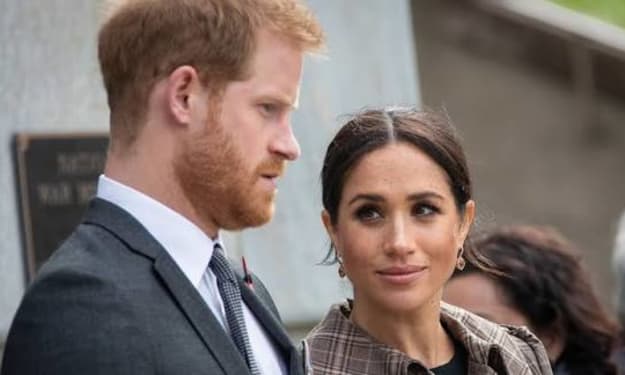
Prince Harry Speaks Directly to Ukraine in an Emotional Statement. AI-Generated.
Prince Harry, the Prince Harry, delivered a deeply emotional message of support to the people of Ukraine on the fourth anniversary of Russia’s full-scale invasion, underscoring the ongoing human cost of the conflict and reaffirming international solidarity. In a video recorded for the Superhumans Centre, a rehabilitation facility in Lviv that supports amputees and trauma survivors, Harry addressed Ukrainians “directly,” praising their strength, resilience, and hope. The message came as Ukraine marked four years since hostilities began on February 24, 2022, a date now etched into national consciousness. In his address, Harry reflected on his two visits to Ukraine over the past year and detailed what he witnessed firsthand: the courage of those living through war and the determination of people rebuilding their lives under constant threat. “Each time, I left deeply moved by the courage, dignity and unbreakable spirit of the Ukrainian people, even in the midst of war,” he said. A Personal and Public Message Recorded with imagery from his visits to Lviv and Kyiv, the video shows Harry interacting with patients, veterans, and caregivers who have endured unimaginable hardship. He specifically referenced the Superhumans Centre, which provides prosthetics, reconstructive surgery, and psychological support to those physically and mentally affected by the war. “I saw the strength of the Superhumans Centre … in the determination of those rebuilding their bodies and their futures,” Harry noted, highlighting the resilience of injured servicemembers and civilians alike. Harry also drew parallels between the courage he saw in Ukraine and the values he has long championed through his own work with wounded veterans at the Invictus Games. He spoke about meeting Invictus participants in Vancouver, saying that their resilience and pride reminded him of the same qualities he saw in Ukrainian faces — an image of both pain and “unwavering hope.” Solidarity and Support Throughout the address, Harry repeatedly stressed that Ukrainians are not alone in their struggle. “Your strength inspires the world. Your bravery unites us, and your hope lights a path forward for us all,” he said, urging them to stay strong, stay brave and stay hopeful. He concluded his remarks with the traditional Ukrainian rallying cry “Slava Ukraini” — “Glory to Ukraine” — a phrase widely used in the country’s resistance against Russian aggression. His message was part of a broader wave of international support expressed on the anniversary. British Prime Minister Sir Keir Starmer, for instance, used the same day to reiterate the United Kingdom’s commitment to backing Ukraine with continued aid and diplomatic efforts. Starmer emphasized that despite the ravages of war, Ukraine’s courage has helped sustain global support for democratic values. Context and Impact Prince Harry’s involvement in Ukraine is rooted in personal engagement rather than official diplomatic capacity. His visits to the country, particularly to trauma and rehabilitation centres, reflect his longstanding interest in supporting veterans and war survivors, a cause tied to his founding of the Invictus Games. During previous visits, Harry met amputees and wounded veterans, highlighting both the physical and psychological toll of conflict and the challenges of recovery. The emotional tone of Harry’s message reflects the gravity of the moment for Ukraine, now four years into a war that has cost tens of thousands of lives, displaced millions, and reshaped European geopolitics. By speaking directly to Ukrainians — especially those on the front line and their families — Harry conveyed not only empathy but also a sense of global attention on their plight and long-term resilience. International Attention While opinions on the role of public figures in international conflicts vary, Harry’s statement drew widespread media and public attention, reinforcing the ongoing global discourse around Ukraine’s struggle. His message was posted by the Superhumans Centre on social media and rapidly circulated, amplifying his call for unity and international backing for Ukraine’s future. For many Ukrainians, voices like his serve as both solace and affirmation that the world continues to watch, care, and stand with them in the face of persistent adversity. Subtitle: Prince Harry praises the courage and unbreakable spirit of Ukrainians in a heartfelt video message on the fourth anniversary of Russia’s invasion, emphasizing resilience, global solidarity, and hope.
By Fiaz Ahmed about 23 hours ago in Humans