
How Hydropower Quietly Keeps the World’s Renewable Energy Running?
The roar of water crashing through turbines is a sound older than most modern electricity grids
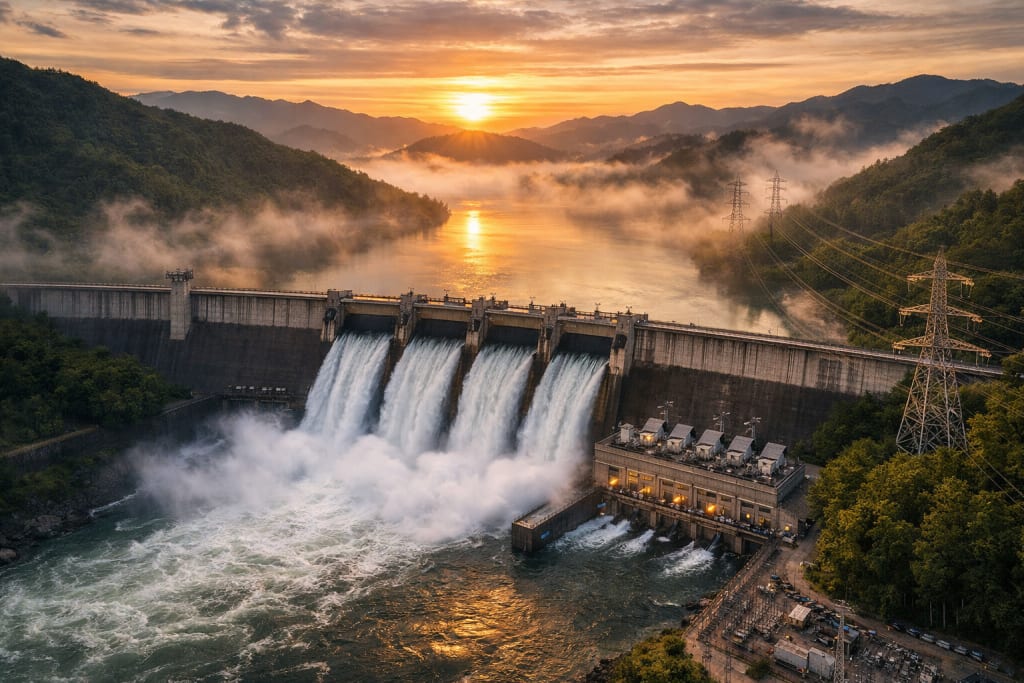
Hydropower is one of the earliest large-scale renewable energy technologies ever developed. And despite the rise of newer clean energy sources, it remains one of the most important.
Today, hydropower plants around the world are quietly doing something few people notice: keeping renewable energy systems stable.
While solar panels generate electricity only during daylight hours and wind turbines depend on weather conditions, hydropower can produce electricity whenever it is needed. That flexibility makes it a crucial backbone of modern power grids.
The Hidden Strength of Hydropower
Unlike many renewable technologies, hydropower plants store energy naturally through water reservoirs.
When electricity demand is low, water remains stored behind dams. When demand rises-during peak evening hours or sudden grid shortages—operators release that water through turbines to generate power almost instantly. Because of this ability to respond quickly, hydropower facilities often act like enormous natural batteries for national electricity systems.
Many of the world’s largest hydropower plants can increase or decrease power production within minutes, helping balance sudden fluctuations caused by wind or solar energy changes.This is one reason hydropower remains central to renewable energy infrastructure despite the rapid expansion of other technologies.
Reservoir Plants Still Dominate the Industry
Among different hydropower systems, reservoir-based plants remain the most widely used worldwide. These facilities store large volumes of water behind dams, allowing operators to control electricity generation whenever needed. In recent industry analyses, reservoir hydropower accounted for more than half of global hydroelectric capacity.
Their ability to regulate water flow gives them a major advantage in supporting national power grids, especially as renewable energy adoption increases.
Asia-Pacific Leads Global Hydropower Development
Across the world, hydropower capacity is not evenly distributed.
The Asia-Pacific region has emerged as the global center of hydropower development, hosting a significant share of the world’s installed hydroelectric capacity.
Several factors explain this dominance:
- Rapid population growth and urbanization
- Increasing electricity demand from industrial sectors
- Large river systems suitable for hydroelectric development
- Long-term government investments in renewable infrastructure
Many of the largest hydroelectric stations built in the past two decades are located in China, India, and Southeast Asia.
These projects often generate hundreds-or even thousands-of megawatts of electricity, supplying power to millions of homes.
The Rise of Hybrid Renewable Systems
Hydropower is also evolving alongside other clean energy technologies.
In recent years, engineers have begun combining hydropower facilities with floating solar installations placed directly on reservoirs. These hybrid systems generate electricity from both sunlight and water resources while reducing evaporation from the reservoir surface.
Modern hydroelectric stations are also integrating:
- digital monitoring systems
- predictive maintenance technologies
- advanced turbine designs that improve efficiency
These upgrades allow many older hydropower plants to extend their operational lifetimes while improving performance.
Key Companies in the Global Hydropower Industry
Several major engineering and energy companies continue to shape the development of modern hydroelectric infrastructure. Some of the most influential players include:
- GE Renewable Energy
- Andritz AG
- Voith GmbH & Co. KGaA
- Siemens Energy AG
- China Yangtze Power Co. Ltd
These companies design turbines, power systems, and infrastructure used in hydroelectric projects across the world.
Why Hydropower Still Matters
As renewable energy expands globally, the conversation often focuses on solar panels or wind turbines. Yet hydropower remains one of the most dependable sources of clean electricity available today.
Its ability to generate power on demand, stabilize energy grids, and store large amounts of potential energy gives it a unique role in the global transition toward cleaner energy systems.
Hydropower may not always dominate headlines, but its influence runs quietly through the infrastructure of modern life.
Rivers that powered early industrial cities are now helping stabilize some of the world’s most advanced renewable power networks. And as energy systems continue to evolve, the steady force of flowing water will likely remain one of the most reliable foundations of clean electricity for decades to come.
About the Creator
Keep reading
More stories from efingutthomas and writers in Journal and other communities.
The Green Molecule Quietly Transforming Industry
The next chemical revolution may not come from oil wells or petrochemical refineries. It might begin in fields of agricultural waste, forests, & biomass processing plants quietly converting plant material into powerful industrial molecules. Across laboratories and manufacturing hubs, scientists are turning renewable feedstocks into versatile chemicals capable of reshaping entire industries.At the center of this transformation sits levulinic acid, a bio-derived compound that is rapidly gaining attention across cosmetics, fuels, pharmaceuticals, and polymers.
By efingutthomas2 days ago in Journal
Complete Guide to Types Of Tank, Benefits, and Installation
Water tanks are essential for storing clean water for residential, commercial, agricultural, and industrial use. Whether for homes, buildings, farms, or factories, choosing the right water tank ensures a reliable water supply and long-term durability.
By Solution Boxes5 days ago in Journal



Comments
There are no comments for this story
Be the first to respond and start the conversation.