
LNG Shipping Rates Soar 650% to $300,000 Per Day
LNG tanker charter rates have surged up to 650%, reaching roughly $300,000 per day as Middle East tensions disrupt conventional routes and tighten global energy logistics.

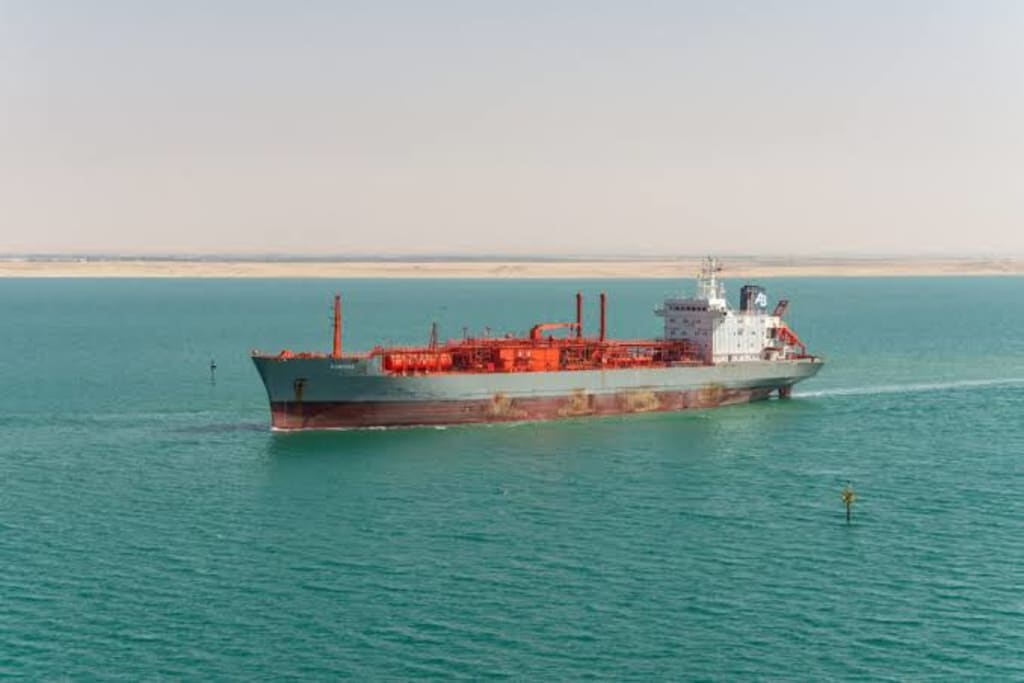
Global liquefied natural gas (LNG) shipping rates have spiked dramatically in recent weeks, with some charter rates climbing as much as 650 percent to about $300,000 per day — a surge driven by widespread supply disruptions tied to geopolitical tensions in the Middle East and pressure on global energy markets. The increase has sent shockwaves through commodity markets, shipping firms, and LNG buyers, highlighting how sensitive energy logistics are to political instability and supply chain risk.
Why Rates Are Skyrocketing
The main catalyst for the surge in LNG charter rates is the disruption of traditional shipping routes, particularly those passing through the Strait of Hormuz. This narrow waterway, which sits between Iran and Oman, is a major artery for crude oil and LNG tankers. Recent military escalations and attacks on vessels in the Gulf have pushed shippers to re‑route around longer and less predictable pathways, increasing voyage times, fuel costs, and operational complexity for tanker fleets.
Under normal circumstances, LNG ships traveling from the Middle East to major consuming regions such as East Asia and Europe would use the most direct route through Hormuz, keeping transit times and costs down. But with regional airspace restrictions, military activity, and heightened risk of missile or drone incidents against commercial vessels, many operators are opting for alternative passages — such as sailing around Africa’s Cape of Good Hope — adding thousands of nautical miles to each journey.
Longer routes mean more time at sea, higher bunker fuel bills, and fewer voyages per year for each vessel. As a result, demand for available LNG carriers has outstripped supply, pushing daily charter rates upward. According to shipping brokers, some modern large‑class LNG carriers that typically earn $40,000–$50,000 per day before the crisis are now commanding up to $300,000 per day on the spot market — a roughly 650 percent increase.
Market Impact Beyond Shipping
The surge in shipping costs is affecting more than just vessel operators. LNG buyers are feeling the impact in contract pricing and delivery strategies, and refiners and utilities in Europe and Asia are wrestling with tighter supply and rising costs. Because LNG is sold on both long‑term contracts and short‑term spot markets, volatile freight costs can quickly get passed through to consumers or squeeze the margins of energy companies.
In recent weeks, some LNG cargoes have been rerouted, delayed, or canceled as buyers reassess the total cost of delivered fuel. For countries like Japan and South Korea, which depend heavily on LNG for power generation, the combination of higher freight rates and constrained supply options has raised concerns ahead of peak seasonal demand periods. European consumers, already contending with higher energy prices due to regional instability, may also face elevated utility bills if LNG cargoes become more expensive to deliver.
Why the Current Situation Is Worse Than Normal
Several factors have converged to make the current surge in LNG shipping rates sharper than past disruptions:
1. Limited Spare Shipping Capacity: Before the crisis, the global LNG fleet was already operating near peak utilization due to recovery in demand after the pandemic. Fewer idle vessels mean less flexibility in redeploying ships to new routes.
2. Longer Routes Increase Demand: As carriers avoid high‑risk areas, each round trip takes more time and ties up each vessel for longer, reducing overall fleet efficiency.
3. Insurance Costs Rising: Insurers have added premiums and exclusions for vessels transiting high‑risk zones, making some shipowners reluctant to risk sailings without higher compensation. This further reduces available capacity and drives brokers to raise freight rates to attract willing operators.
4. Energy Market Volatility: Elevated crude and LNG prices have increased the overall cost of energy logistics, leading charterers to commit to higher freight rates rather than risk missing critical deliveries.
Responses from Industry Players
Shipping companies and charter brokers say the spike is temporary but caution that volatility could persist if geopolitical tensions continue. Several major shippers have announced measures to mitigate risk, including:
Rebalancing Ship Deployment: Reallocating vessels from other regions to cover high‑demand LNG routes.
Multi‑Year Contracts: Locking in long‑term charters at elevated rate floors to secure capacity.
Rerating Risk Models: Re‑evaluating risk assessments to incorporate persistent geopolitical uncertainty.
Some LNG buyers are exploring portfolio diversification, seeking alternative suppliers that can deliver from less volatile regions. Others are working with national governments to negotiate strategic deliveries and secure access to existing contracts.
Broader Economic Implications
The LNG freight surge illustrates how geopolitical instability can ripple through the interconnected global energy system. High shipping costs may accelerate energy price inflation, add pressure to already tense global supply chains, and force buyers to rethink their consumption and contract strategies. Emerging economies and developing countries that rely on LNG imports could be particularly vulnerable to higher delivered energy costs.
Meanwhile, energy traders and analysts warn that if the Middle East conflict continues or expands, freight rates for other energy commodities — including crude oil tankers and LPG carriers — could face similar pressure, compounding costs across the maritime fuel transportation complex.
Looking Ahead
Industry observers expect rates to remain elevated so long as uncertainty lingers. Some predict even higher daily charters if shipping risks increase or if further disruptions occur in the Red Sea or other strategic chokepoints. For now, LNG markets and energy consumers will closely monitor developments, knowing that freight costs have become a key variable in the global energy equation — and that sudden geopolitical shocks can reverberate far beyond the immediate conflict zone.
About the Creator
Fiaz Ahmed
I am Fiaz Ahmed. I am a passionate writer. I love covering trending topics and breaking news. With a sharp eye for what’s happening around the world, and crafts timely and engaging stories that keep readers informed and updated.
Keep reading
More stories from Fiaz Ahmed and writers in Journal and other communities.
IndiGo, Air India Plan 58 Flights on March 4 Amid Airspace Disruptions
India’s two largest carriers — IndiGo and Air India — scheduled a combined 58 flights on March 4 despite widespread airspace disruptions caused by escalating regional tensions in the Middle East. The move reflects both airlines’ efforts to navigate unprecedented challenges in global aviation while maintaining critical connectivity for passengers and commerce. The disruption in airspace followed days of geopolitical volatility sparked by military actions in the Gulf region. Several countries, including Iran, Kuwait, and neighboring states, issued Notice to Airmen (NOTAMs) restricting flight paths in and around the Persian Gulf and the airspace above the Arabian Peninsula. These restrictions created a ripple effect that impacted routes connecting Europe, Asia, and the Middle East — a region that normally serves as a major hub for international air travel. Flight Planning amid Chaos Despite the uncertainties, IndiGo and Air India confirmed plans to operate dozens of flights via alternate routes and with revised schedules on March 4. According to aviation industry sources, IndiGo planned 38 flights while Air India scheduled 20 departures and arrivals — many of which involved long‑haul sectors to and from Europe, the Middle East, and Southeast Asia. The adjustments required careful rerouting around closed or restricted airspace, resulting in longer flight times and increased fuel consumption. “We are committed to minimizing disruption for our passengers,” an airline spokesperson told reporters. “Our operations teams have worked around the clock to implement revised flight plans in cooperation with Air Traffic Management (ATM) authorities. Safety remains our highest priority.” IndiGo and Air India were among several carriers that faced airspace closures throughout early March. Middle Eastern air navigation authorities had temporarily shut down large portions of their flight corridors due to military activity and heightened risk of unmanned aerial systems (UAS) and missile threats. As a result, flights that normally transit the Arabian Gulf corridor were diverted far south or north — via African or Central Asian air routes — in order to maintain safe operations. Impact on Passengers For travelers flying on March 4, the disruptions translated into longer flight durations, delayed departures, and revised connections. A number of passengers on IndiGo flights reported being notified of schedule changes up to 48 hours in advance. Many expressed frustration over longer journey times but acknowledged that safety concerns took precedence amid the volatile situation. “I was supposed to fly from Delhi to London in about 9 hours,” said one passenger who asked not to be named. “With the rerouting, it’s nearly 12 hours. It’s inconvenient, but everyone knows it’s because of what’s happening over there.” Similarly, a family flying with Air India from Mumbai to Frankfurt said their flight path took them over Central Asia instead of the usual Middle Eastern route. “It’s longer, but we are grateful the airline is doing all it can to keep us safe,” one traveler said. Costs and Operational Challenges The operational adjustments come at a financial toll for airlines. Rerouted flights require additional fuel, longer flight crew duty times, and potential overnight stays in remote locations. Fuel alone — often one of the largest costs for airlines — increased significantly due to the longer distances. In response, some carriers have already begun evaluating cost recovery measures, including applying fuel surcharges to affected international sectors. Airline industry analysts warn that prolonged airspace restrictions could drive up ticket prices if carriers are unable to absorb higher operational costs indefinitely. Nevertheless, both IndiGo and Air India reaffirmed that customers would not be penalized for disruptions beyond the airlines’ control. “We continue to prioritize passenger welfare,” one airline representative said. “Refunds, rebooking options, and customer support services are being offered proactively to all affected travelers.” Global Aviation Under Pressure The March 4 schedule marked one of the busiest days for Indian carriers since the onset of international airspace closures. While some regions remained closed or partially restricted, aviation authorities in Europe, South Asia, and Africa coordinated revised airway structures to ensure continuous safe corridors for airlines willing to operate under revised conditions. Experts note that the situation underscores the vulnerability of global aviation to geopolitical shocks. The Middle East — a crossroads for East–West aviation — normally facilitates efficient routes connecting South Asia with Europe and beyond. When that corridor is compromised, airlines must scramble to establish alternatives that balance safety, legality, and economic feasibility. “Efficient routing is the backbone of global airline operations,” said an aviation analyst. “When a key corridor like the Arabian Gulf becomes unavailable, the operational complexity rises dramatically. It’s a testament to airline planning teams that so many flights could still be scheduled on March 4.” Looking Ahead While the immediate situation remains fluid, both IndiGo and Air India said they are closely monitoring developments and working with international aviation bodies to assess future schedules. Authorities such as the International Civil Aviation Organization (ICAO) and regional air navigation service providers are coordinating efforts to reopen corridors as soon as it is safe. For passengers, flexibility and patience remain key. As long as regional airspace remains unpredictable, airlines and travelers alike must brace for adjustments that reflect the realities of an interconnected world in which geopolitics can swiftly reshape the skies.
By Fiaz Ahmed 2 days ago in Journal
📢 Raise Your Voice Thread: 03/05/2026
Our “Raise Your Voice Threads” are hosted most alternating Thursdays at 12PM ET to offer creators more avenues to uncover exceptional stories on Vocal. As we are continuously searching for fresh creators and inspiring stories, this thread provides an opportunity to exchange and discuss the stories that have moved and motivated us on Vocal.
By Raise Your Voice by Vocalabout 19 hours ago in Resources




Comments
There are no comments for this story
Be the first to respond and start the conversation.