
Thai Officials Say 72 Tigers at Tourist Parks Died of Canine Distemper, Allaying Bird Flu Fears
Investigation Finds Viral Disease — Not Avian Influenza — Behind Tiger Deaths in Thailand
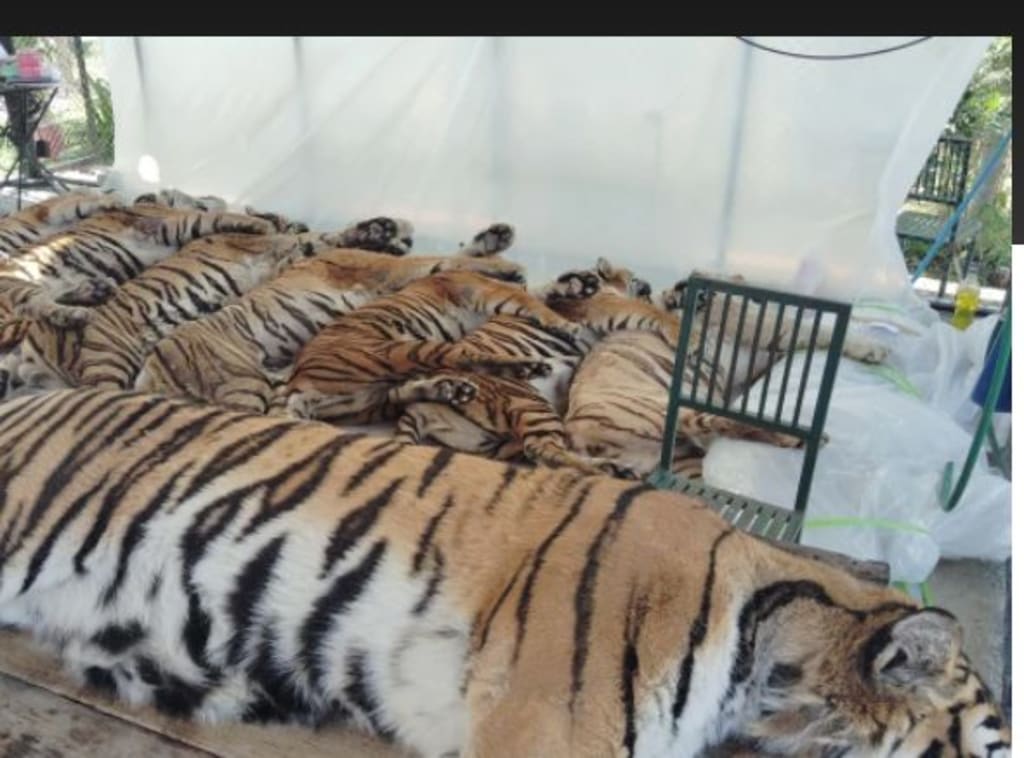
Thailand’s wildlife and tourism sectors were shaken after dozens of tigers died at popular tourist parks, raising alarm among visitors and health officials. Initial fears suggested a possible outbreak of bird flu — a disease that has spread across multiple species worldwide — but authorities have now confirmed a different cause.
Officials say 72 tigers died due to canine distemper, a contagious viral disease that affects carnivores. The findings have eased concerns about a broader public-health threat while highlighting ongoing challenges in wildlife management, captive animal care, and tourism oversight.
The announcement marks an important turning point in a story that quickly drew international attention.
A Sudden Wave of Tiger Deaths
The deaths occurred at several tiger-focused tourist facilities in Thailand, where visitors often interact with captive big cats. Reports of animals showing neurological symptoms, weakness, and respiratory problems prompted immediate investigation by veterinary teams and government agencies.
Because bird flu — particularly the H5N1 strain — has previously infected mammals including big cats, early speculation focused on the possibility of avian influenza crossing into captive tiger populations.
However, laboratory testing ruled out bird flu as the cause.
Instead, veterinarians confirmed canine distemper virus (CDV), a disease more commonly associated with domestic dogs but known to affect a wide range of wildlife species, including large predators.
Understanding Canine Distemper
Canine distemper is a highly contagious viral illness that attacks the respiratory, gastrointestinal, and nervous systems of animals. It spreads through close contact, contaminated surfaces, and airborne droplets.
In big cats, symptoms can include:
Fever and lethargy
Nasal and eye discharge
Difficulty walking or seizures
Behavioral changes
Mortality can be high, particularly in captive environments where animals live in close proximity.
Although the virus is dangerous for animals, it does not pose a direct risk to humans. That distinction helped calm fears once test results became clear.
Why Bird Flu Fears Emerged
Global health authorities have been closely monitoring avian influenza due to its increasing spread among mammals. Cases in seals, foxes, farm animals, and occasionally big cats have raised concern about viral evolution.
Thailand, a major tourism destination with significant wildlife attractions, faced heightened scrutiny when news of tiger deaths broke.
Officials moved quickly to test samples specifically for avian influenza to determine whether the situation represented a larger public-health emergency. When those tests came back negative, attention shifted toward containment rather than pandemic risk.
The confirmation of canine distemper allowed authorities to reassure both tourists and international partners that there was no immediate human health threat.
Impact on Wildlife Tourism
Tiger parks are a controversial but popular feature of Thailand’s tourism industry. Visitors are often drawn to opportunities to observe or interact with large cats up close, generating substantial revenue for operators and local economies.
The deaths have renewed debate about the ethics and safety of keeping large predators in captivity for entertainment purposes.
Critics argue that crowded enclosures, stress, and inconsistent veterinary oversight can increase disease transmission. Supporters say responsible facilities contribute to conservation awareness and funding.
The outbreak underscores how disease management is central to the credibility of wildlife tourism operations.
Government Response and Containment Efforts
Thai authorities implemented quarantine measures at affected facilities, restricting animal movement and increasing sanitation protocols. Veterinary teams began monitoring surviving tigers and vaccinating susceptible animals where possible.
Officials also initiated reviews of biosecurity standards across tourist parks. The goal is to prevent similar outbreaks and ensure early detection of infectious diseases.
The situation has prompted calls for stronger coordination between tourism regulators, animal welfare groups, and veterinary experts.
Improved vaccination programs, stricter visitor guidelines, and limits on animal transfers are among the measures being discussed.
Broader Conservation Concerns
While the outbreak occurred in captive settings, conservationists note that canine distemper has threatened wild big cat populations before. The virus has been linked to declines in lions, leopards, and other predators in different regions.
Disease transmission between domestic animals and wildlife remains a persistent risk, particularly in areas where human activity overlaps with natural habitats.
For Thailand, which plays a role in regional conservation efforts, the incident highlights the importance of surveillance not only in tourist parks but also in surrounding ecosystems.
Preventing spillover between domestic dogs and wild carnivores is a long-standing challenge that requires community engagement and vaccination campaigns.
Reassuring Tourists While Addressing Risks
Tourism officials moved quickly to reassure travelers that the outbreak was contained and did not involve bird flu. Maintaining confidence is crucial for a country where tourism represents a major share of economic activity.
At the same time, the incident serves as a reminder that wildlife attractions carry inherent risks — not only for animals but also for industry reputation.
Transparency in reporting, rapid testing, and clear communication helped prevent panic. Experts say those steps will likely become standard practice as global awareness of zoonotic diseases increases.
Lessons From the Outbreak
The deaths of 72 tigers illustrate how quickly infectious diseases can spread in captive wildlife populations. They also show the importance of accurate diagnosis.
If bird flu had been confirmed, the implications would have been far more serious, potentially affecting travel, trade, and public health policies. Instead, identifying canine distemper allowed authorities to focus on veterinary containment rather than emergency health measures.
The episode highlights three key lessons:
Strong biosecurity is essential in wildlife tourism
Rapid testing prevents misinformation and panic
Collaboration between conservation and tourism sectors is critical
Conclusion: A Wake-Up Call for Wildlife Management
Thailand’s confirmation that canine distemper — not bird flu — caused the tiger deaths has eased immediate fears but opened broader conversations about animal welfare, disease prevention, and the future of wildlife tourism.
For visitors, the reassurance means travel plans can continue without heightened health concerns. For policymakers and conservationists, the event serves as a warning about vulnerabilities in captive animal systems.
As global attention to zoonotic disease grows, incidents like this will likely shape how wildlife attractions operate. The challenge moving forward is balancing tourism demand with responsible animal care — ensuring that encounters with iconic species do not come at the cost of their health or survival.




Comments
There are no comments for this story
Be the first to respond and start the conversation.