Latest Stories
Most recently published stories in Lifehack.
Microplastic buildup in human brains, mostly in dementia patients, is shown by a disturbing study.
Microplastics are tiny pieces of plastic that have been found in food, water, and the air. These microplastics can now cross the blood-brain barrier and gather in deep brain regions, according to a study done on 52 donated human brains.
By Francis Dami16 days ago in Lifehack
Cosori vs Cuckoo Rice Cooker: Which One Should You Buy?
Choosing between Cosori vs Cuckoo Rice Cooker can feel harder than it should, especially when you just want rice that turns out right every time. I notice both brands show up a lot in US kitchens, and I appreciate how each focuses on ease and consistency in different ways. I’ll break down what actually matters, so you can pick the one that fits your routine without second-guessing it.
By Mohammed mamun16 days ago in Lifehack
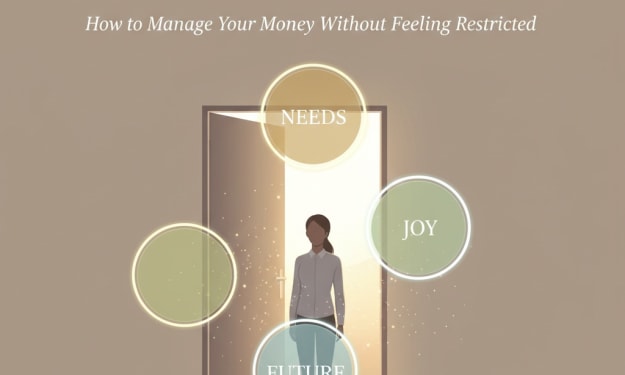
The Budget Trick Nobody Taught You in School
When Daniel graduated from college, he believed he was ready for the world. He knew how to calculate derivatives, analyze literature, and even recite historical dates with impressive accuracy. But on the day his first paycheck landed in his bank account, he realized something important: no one had ever taught him how to manage money. The paycheck felt like freedom. He celebrated with dinner out, bought new shoes he had been eyeing for months, and subscribed to three streaming services he convinced himself were “essential.” By the end of the month, his account balance was whispering a warning he didn’t want to hear. Daniel did what most people do when faced with financial anxiety—he searched online for budgeting advice. What he found discouraged him. Lists of strict rules. Spreadsheets with color-coded categories. Advice that sounded more like punishment than guidance. He tried one of those rigid budgets anyway. It lasted twelve days. The problem wasn’t that Daniel lacked discipline. The problem was that the budget felt like a cage. Every purchase triggered guilt. Every coffee felt like failure. Managing money began to feel like dieting—restrict, restrict, restrict—until he snapped and overspent again. One evening, while visiting his grandmother Elena, Daniel confessed his frustration. “I just don’t understand,” he said. “Why does budgeting feel like I’m constantly saying no to myself?” Elena smiled gently. She had lived through times when money was scarce and times when it flowed more easily. She poured him tea and said, “Maybe you are trying to control money instead of directing it.” Daniel frowned. “Isn’t that the same thing?” “No,” she replied. “Control is fear. Direction is purpose.” She pulled out an old notebook from her kitchen drawer. It wasn’t a spreadsheet. It wasn’t complicated. On one page, she had written three words in large, confident letters: Needs. Joy. Future. “That’s it?” Daniel asked. “That’s it,” Elena said. She explained her “budget trick,” the one nobody had taught in school. Instead of tracking dozens of tiny categories, she divided her income into three clear buckets. Needs covered rent, groceries, transportation, utilities—everything required to live with stability. Joy was money reserved for pleasure without guilt: dinners with friends, hobbies, gifts, small luxuries. Future was money sent to savings, investments, or an emergency fund. “There is no restriction in this method,” Elena explained. “There is only intention. If you’ve already assigned money to Joy, you can spend it happily. And when it’s gone, you stop—not because you are deprived, but because you have chosen your limit.” Daniel felt something shift inside him. This didn’t sound like punishment. It sounded like permission with boundaries. The next month, he tried it. When his paycheck arrived, he divided it immediately. Fifty percent to Needs. Thirty percent to Future. Twenty percent to Joy. The percentages weren’t magic; they simply fit his situation. The act of dividing, however, changed everything. For the first time, Daniel didn’t feel anxious about spending on himself. When he met friends for dinner, he paid from his Joy fund. When he bought a new book, it came from Joy too. And when the Joy account reached zero, he waited until the next paycheck. Surprisingly, the waiting didn’t feel like suffering. It felt calm. The biggest transformation came from the Future bucket. Watching that account grow gave him a sense of power he had never experienced before. Instead of fearing unexpected expenses, he felt prepared. Instead of living paycheck to paycheck, he was building momentum. Months passed. Daniel noticed something else: he was spending less impulsively. Not because he forced himself to, but because every dollar had a job. Money was no longer something that “disappeared.” It moved with intention. At work, his colleague Maya complained constantly about her finances. “I make decent money,” she said, “but I never seem to have enough.” Daniel shared his grandmother’s method. Maya was skeptical at first. “Three categories? That’s too simple.” “Exactly,” Daniel said. “It’s simple enough to actually follow.” A few weeks later, Maya admitted it was working. “I don’t feel guilty anymore,” she said. “I just feel aware.” And that was the hidden power of the trick: awareness without shame. Most schools teach mathematics but not money management. Students graduate knowing formulas but not financial habits. They learn how to earn income but not how to assign it meaning. As a result, many adults associate budgeting with restriction rather than alignment. The word budget itself often carries a negative tone. Perhaps a better noun for what Daniel learned is “plan.” A financial plan feels active and intentional. It suggests direction rather than denial. Yet even plan does not fully capture it. The most suitable noun for this story is framework. A framework supports you without trapping you. It provides structure without suffocation. Elena’s three-part system was not a rulebook; it was a framework for decision-making. Years later, Daniel’s income increased. He adjusted the percentages but kept the same structure. Needs remained covered. Joy expanded slightly. Future grew steadily. The simplicity scaled with him. He no longer feared budgeting. In fact, he rarely used the word. When friends asked how he managed money so calmly, he would smile and say, “I just give every dollar a direction.” The trick nobody taught in school wasn’t about cutting coffee or memorizing financial ratios. It was about reframing money from a source of stress into a tool of intention. And the best part? It never felt like restriction. It felt like freedom with purpose.
By Sahir E Shafqat16 days ago in Lifehack
Stop Wasting Your Mornings
For years, my mornings felt like a race I never signed up for. The alarm would ring. I’d hit snooze. Then again. And maybe once more for good measure. Eventually, I would jolt awake with that awful realization — I’m late. My heart would already be pounding before my feet touched the floor. From there, everything moved fast and sloppy. I’d scroll through my phone while brushing my teeth. I’d skim emails before I was fully awake. I’d rush through a shower, skip breakfast, and mentally rehearse everything that could go wrong that day. By the time I sat down to work, I wasn’t focused. I was frazzled. It took me a long time to understand something simple: The way you start your morning is the way you start your mind. And I was starting mine in chaos. The Problem Wasn’t Time — It Was Intention I used to tell myself I wasn’t a “morning person.” That I just needed more sleep. That my schedule was the issue. But when I looked honestly at my habits, I saw something different. I wasn’t lacking time. I was wasting the first 30–60 minutes of my day reacting instead of choosing. Scrolling through social media first thing in the morning meant I was immediately consuming other people’s priorities. Checking email meant I was stepping into other people’s urgency. Watching the news meant I was inviting stress before I had even had water. No wonder I felt behind. So instead of trying to wake up at 5 a.m. or completely overhaul my life, I made one decision: I would protect my first hour. Not perfectly. Not rigidly. Just intentionally. What followed was a simple routine that changed everything. Step 1: Wake Up Once The first change was the smallest and hardest: no more snooze button. When you hit snooze, you’re training your brain to start the day with hesitation. You wake up, then go back to sleep, then wake up again. It creates confusion and grogginess. Now, when my alarm goes off, I sit up immediately. I don’t negotiate. I don’t check my phone. I physically move. It sounds dramatic, but this tiny act builds momentum. You’ve already kept one promise to yourself before the day even begins. And momentum matters. Step 2: No Phone for 20 Minutes This rule alone lowered my stress by half. For the first 20 minutes of the day, my phone stays face down. No notifications. No scrolling. No messages. Instead, I do three simple things: Drink a full glass of water Open a window or step outside for fresh air Stretch for a few minutes That’s it. Hydration wakes the body. Fresh air wakes the senses. Stretching wakes the muscles. Before my brain has a chance to spiral into worry, my body feels grounded. Most of us begin our mornings overstimulated. This small buffer creates space. And space creates calm. Step 3: Make Your Bed It’s cliché advice. I used to roll my eyes at it. But making your bed takes less than two minutes, and it changes the visual tone of your space. Instead of leaving behind a symbol of rush and disorder, you create one small win. When you return to your room later, it feels orderly. Controlled. Peaceful. It’s not about perfection. It’s about signaling to your brain: I take care of my environment. I’m in charge here. That matters more than we think. Step 4: Plan the Day — Briefly This is where focus begins. I don’t write a long to-do list. I don’t map out every hour. I simply answer three questions in a notebook: What are the three most important things I need to complete today? What can wait? How do I want to feel today? That last question changed everything for me. Instead of thinking only about productivity, I started thinking about emotional direction. Do I want to feel calm? Efficient? Patient? Creative? When you decide how you want to feel, you subconsciously guide your behavior toward that outcome. Without this step, your day controls you. With it, you guide the day. Step 5: Move Your Body — Even a Little I used to believe workouts had to be intense or long to count. That mindset kept me from doing anything at all. Now, my rule is simple: five to fifteen minutes of movement. Some days it’s a walk. Some days it’s yoga. Some days it’s basic bodyweight exercises in my living room. Movement clears mental fog faster than caffeine. It releases stress before it builds. It shifts you from passive to active mode. You don’t need a gym. You need consistency. And consistency begins small. What Changed After a few weeks of this routine, I noticed subtle but powerful shifts. I wasn’t snapping at people as easily. I wasn’t scrambling through my inbox in panic. I wasn’t reaching for my phone every five minutes. My mornings felt slower — even though the clock hadn’t changed. The biggest surprise? I didn’t feel tired in the same way anymore. I felt steady. Calm mornings don’t make life perfect. They don’t prevent stress or eliminate challenges. But they change your starting position. Instead of beginning the day in defense mode, you begin it centered. That difference compounds. The Real Secret: It’s About Ownership This routine isn’t magical. It’s not trendy. It doesn’t require waking up at sunrise or buying anything new. Its power lies in ownership. When you choose how your day begins, you remind yourself that you have agency. You are not just reacting to alarms, messages, or deadlines. You are setting the tone. And tone matters. Think about the days you’ve felt most productive or peaceful. They likely didn’t begin with panic scrolling or frantic rushing. They began with clarity — even if just a little. You don’t need an hour. Start with 20 minutes. Wake up once. Avoid your phone. Hydrate and stretch. Identify three priorities. Move your body. That’s it. Simple doesn’t mean insignificant. If You Think You Don’t Have Time Most people say, “This sounds nice, but I don’t have time.” But check your screen time. Check how long you spend scrolling before even getting out of bed. Check how long you spend reacting instead of preparing. The time is already there. The difference is how you use it. Even if you only adopt one step from this routine, you’ll notice a shift. Maybe it’s the no-phone rule. Maybe it’s writing down three priorities. Maybe it’s drinking water before coffee. Change doesn’t require a complete overhaul. It requires one consistent decision. Stop Wasting Your Mornings Your morning is not just a transition between sleep and work. It’s the foundation of your mental state for the next 12–16 hours. When you waste it in distraction, you pay for it in stress. When you invest it in intention, you collect clarity. You don’t need to become a different person. You don’t need to wake up at 4:30 a.m. You don’t need a perfect routine. You just need to start the day on purpose. Tomorrow morning, when the alarm rings, don’t negotiate with it. Sit up. Drink water. Breathe. Move. Decide. And watch how different the rest of your day feels. Because calm isn’t something you find in the afternoon. It’s something you build in the morning.
By Sahir E Shafqat16 days ago in Lifehack
Comfee vs Aroma Rice Cooker: Which One Is Better?
When I compare Comfee vs Aroma rice cooker, I look at what really matters in a busy kitchen: taste, time, and ease. I’ve spent hours reading specs and reviews, and I notice small details can make a big difference in daily cooking. Here’s how Comfee and Aroma stack up, what I like about each, and which one may fit your routine best.
By Mohammed mamun17 days ago in Lifehack
My Best Life Investment Cost Only €200. Meet "Grandma" 👵💻
We live in a world where €200 (around £170) vanishes from your wallet almost unnoticed. All it takes is a bigger grocery run for the family 🛒, a pair of branded sneakers 👟, or one intense night out on the town, and that amount becomes just a memory on your bank statement. However, for me, that same money became the foundation of a new life in Italy 🇮🇹. It might be shocking, but my best life investment cost less than a decent mid-range smartphone. How is that possible? 🤔
By Piotr Nowak18 days ago in Lifehack
One Day, One Life: How 24 Hours Can Change Everything". AI-Generated.
Have you ever woken up and wondered, “Is this it?” Maybe you feel stuck—trapped in a daily routine that leaves you empty. You go to work, come home, scroll through your phone, and repeat it all the next day. Deep down, you know there’s more to life, but the thought of change feels overwhelming. So, you stay where you are, waiting for the “right time.” But what if I told you that your entire life could change in just one day? Not next year, not in five years—today. This book is about that day. The day you stop waiting. The day you decide to take control of your life. It’s not about making massive changes all at once or becoming a completely different person overnight. It’s about how small decisions, mindset shifts, and one bold action can set you on a new path—a path you’ve always wanted but were too scared to take. This is your wake-up call. Because your life doesn’t change someday. It changes the day you decide it will. Chapter 1: The Trap of Waiting “I’ll start tomorrow.” How many times have you said those words? Tomorrow, you’ll exercise. Tomorrow, you’ll quit the job you hate. Tomorrow, you’ll take the leap. But tomorrow always turns into the next tomorrow, and nothing ever changes. I know this because I’ve been there. I spent years waiting for the perfect moment to start living the life I wanted. I told myself I wasn’t ready, that I needed more time, more money, more confidence. But the truth is, there’s never a perfect moment. There’s only now. Ask yourself: What are you waiting for? Reflection Question: What’s one thing you’ve been putting off because you’re waiting for the “right time”? Chapter 2: Small Decisions, Big Changes We often think that life-changing moments are dramatic—quitting a job, moving to a new city, starting over. And while those moments are important, they rarely happen without smaller decisions leading up to them. It’s the small choices you make every day that create your future. Choosing to wake up 30 minutes earlier to focus on yourself. Choosing to say no to things that drain you. Choosing to take one small step toward your dream, even if it scares you. Let me tell you about Sarah. She was stuck in a job she hated, but she didn’t know how to start over. One day, she decided to spend 10 minutes after work each evening researching jobs in a field she was passionate about. That small decision led to her applying for a position, which led to an interview, which led to a new career. It didn’t happen overnight, but it started with one small choice. Reflection Question: What small decision can you make today to move closer to the life you want? Chapter 3: The Power of Courage Change requires courage. It’s terrifying to step into the unknown, to leave behind the familiar, even if the familiar is what’s holding you back. But courage isn’t about being fearless—it’s about acting despite your fear. Think about the boldest people you admire. They didn’t wait until they felt ready. They acted while they were scared. Take James, for example. He had always wanted to start his own business but was terrified of failing. One day, after years of fear, he decided to take one bold action: he called a friend who had experience starting a business. That one phone call gave him the clarity to take the next step. Today, he’s running a thriving company. Courage doesn’t mean jumping blindly. It means taking one brave step, and then another, and another. Reflection Question: What bold action can you take today that scares you but could change your life? Chapter 4: The Day That Changes Everything Here’s the secret: your life changes when you decide it will. It doesn’t happen by accident. It happens when you wake up, look at your life, and say, “Enough.” That day can be today. Right now. You don’t need to have it all figured out. You just need to start. Start small. Say no to something that doesn’t serve you. Say yes to something you’ve been afraid to do. Take one step toward the life you want. Because here’s the truth: one small decision leads to another, and another. And before you know it, you’re not the same person you were yesterday. Final Message Your life is happening right now. The question is: are you going to let it pass you by, or are you going to take control? You don’t need a perfect plan. You don’t need permission. You just need to decide. The day that changes your life isn’t some far-off moment in the future. It’s not when you have more money, more time, or more confidence. It’s today. So, take the first step. Make one small decision. Be brave, even if it’s just for a few seconds. Because one day—this day—can change everything.
By DJADA Mahamat18 days ago in Lifehack
I Deleted Social Media for 30 Days — Something Strange Happened”
I didn’t delete social media because I was strong. I deleted it because I was tired of feeling small. It wasn’t dramatic. No big announcement. No “digital detox” post for attention. Just a quiet Sunday night, my thumb hovering over the apps that had become muscle memory. Instagram. TikTok. Snapchat. Delete. Delete. Delete. Thirty days, I told myself. Just thirty days. The first morning felt wrong. I woke up and reached for my phone before my eyes were fully open. My thumb searched for colors that weren’t there. For a second, I felt panic — like I had lost something important. But there were no notifications. No red dots waiting for me. Just my lock screen staring back, silent. The silence was louder than I expected. The first week was the hardest. I didn’t realize how often I escaped into scrolling. Five minutes turned into an hour without noticing. Every small pause in my day used to be filled instantly — standing in line, sitting in the car, even brushing my teeth. Without social media, those moments stretched longer. Uncomfortable. Exposed. I felt bored. But underneath boredom was something else. Restlessness. I kept wondering what I was missing. What jokes were trending. Who posted what. Whether someone was thinking about me. It felt like I had stepped out of a room where everyone else was still laughing together. The strange thing is, after about ten days, something shifted. My thoughts got louder. Not in a scary way. Just… clearer. Without constant input, my brain didn’t know what to do at first. It tried to replay old conversations. Embarrassing memories. Things I said years ago. It was like my mind had been waiting for quiet to finally speak. And that’s when it happened. I started noticing how often I compared myself. Not because I saw someone else’s highlight reel — but because the habit was still inside me. Even without the apps, my brain automatically imagined what other people were doing. Who was ahead. Who was succeeding. Who was happier. It was like social media had moved into my head. That realization scared me. Deleting the apps didn’t delete the mindset. It just removed the distraction. By week two, the comparison slowly softened. I stopped thinking about what others were posting because I genuinely didn’t know. The invisible race I thought I was running began to feel… optional. Time started behaving differently. Evenings felt longer. I finished tasks faster. I read pages without reaching for my phone every few minutes. I noticed small things — the way light changed in my room at sunset, the sound of my own breathing when everything was quiet. It sounds simple. But it felt strange. One night, I sat alone without music, without a screen, just thinking. I realized I couldn’t remember the last time I had done that without feeling anxious. I expected loneliness. Instead, I felt something closer to relief. But the strangest thing wasn’t the quiet. It was how people reacted. Some friends didn’t notice at all. Some thought I was upset with them. A few said, “I wish I could do that,” like it was some extreme challenge instead of a small decision. It made me realize how deeply connected we all are to being visible. Without posting, I felt invisible at first. Like I had disappeared from the world. But after a while, I began to question something uncomfortable: Was I living for experiences — or for documenting them? There were moments during those thirty days when I instinctively wanted to take a picture. Not because the moment was beautiful, but because it would look beautiful online. When I couldn’t post it, something interesting happened. The moment stayed mine. No angle. No caption. No waiting for likes. Just me experiencing it. And that felt… different. Cleaner. By week three, my mood felt more stable. Fewer emotional spikes. Less subconscious pressure. I wasn’t constantly reacting to other people’s lives. I wasn’t absorbing hundreds of opinions before breakfast. My mind felt like it had space again. But here’s the strange part no one talks about: I started feeling scared to go back. Not because social media is evil. Not because it ruins everything. But because I had tasted what my mind felt like without constant noise. I liked who I was becoming in the quiet. I slept better. I woke up slower. I wasn’t measuring my mornings by notifications anymore. I wasn’t thinking about how I looked, how I sounded, how I compared. I was just existing. And existing without performance felt foreign. On day thirty, I stared at the download button. I expected excitement. Instead, I felt hesitation. Would I lose this calm? Would I fall back into the same habits? I realized something important: the strange thing that happened wasn’t supernatural. It wasn’t dramatic. It wasn’t that my life changed completely. It was that I met myself again. The version of me that thinks slowly. That doesn’t need validation to feel real. That doesn’t constantly check if someone else is doing better. Deleting social media didn’t fix my insecurities. But it showed me which ones were truly mine — and which ones were borrowed. That was the strange part. The noise wasn’t just outside. It had been shaping me quietly for years. Thirty days didn’t make me perfect. I still compare. I still scroll sometimes. I still care. But now I know what silence feels like. And once you hear your own thoughts clearly, it’s hard to pretend you don’t. Maybe the real question isn’t what happens when you delete social media. Maybe it’s what you’ve been avoiding hearing all along.
By Faizan Malik18 days ago in Lifehack