Latest Stories
Most recently published stories in Lifehack.
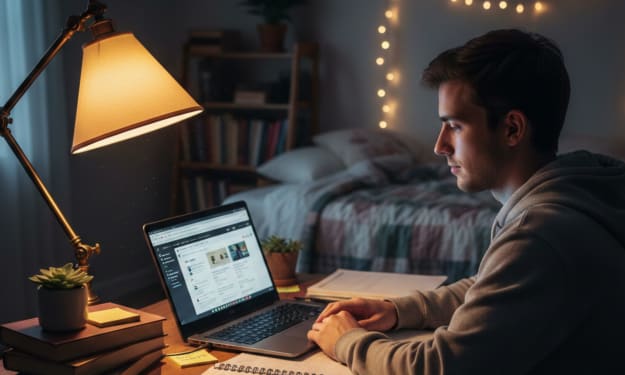
15 Chrome Extensions for Students That Make Studying Almost Too Easy
The browser add-ons that quietly saved my GPA when my brain wanted to do anything else The night I realized my browser was either going to save me or destroy me, I had 23 tabs open and exactly zero sentences written.
By abualyaanart7 days ago in Lifehack
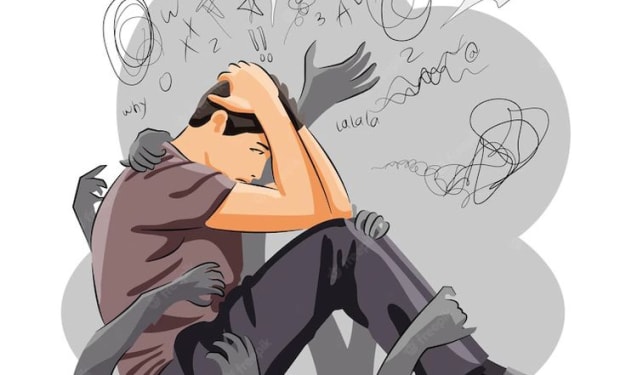
Simple Ways to Reduce Daily Stress and Improve Your Well-Being
🌿 Simple Ways to Reduce Daily Stress Stress is a part of modern life, but too much stress can affect your health, mood, and overall well-being. Finding ways to manage stress is essential for both mental and physical health. Luckily, there are simple, practical habits you can incorporate into your daily routine that help reduce stress naturally and effectively. 🧘♂️ Practice Deep Breathing and Meditation One of the easiest ways to reduce stress is through deep breathing exercises or meditation. Taking just five to ten minutes a day to focus on your breath can calm your mind and lower anxiety levels. Meditation helps you slow down racing thoughts, focus on the present moment, and regain control over your emotions. Over time, practicing meditation daily can increase mental resilience and improve overall mood. 🏃 Move Your Body Regularly Exercise is not only good for physical health but also for mental well-being. Even light physical activity, such as walking, stretching, or yoga, can release endorphins—natural chemicals in the brain that act as mood boosters. Regular movement helps reduce tension in the body and allows the mind to relax. If you have a busy schedule, try incorporating short 10–15 minute walks throughout the day to keep stress levels low. 📝 Keep a Journal Writing down your thoughts and feelings can be a powerful way to manage stress. A daily journal allows you to express emotions, process challenges, and track patterns that may trigger anxiety. Journaling can also help you prioritize problems, brainstorm solutions, and reflect on positive aspects of life. Even a few minutes of writing each day can make a noticeable difference in how you handle stress. 🌞 Spend Time Outdoors Nature has a calming effect on the mind and body. Spending time outdoors, whether it’s walking in a park, gardening, or simply sitting in the sun, can lower cortisol levels—the hormone associated with stress. Fresh air, natural light, and a change of scenery help improve mood and increase energy. If possible, try to spend at least 20–30 minutes outdoors every day to recharge and relax. 🛌 Prioritize Sleep Sleep plays a critical role in managing stress. Lack of sleep can increase irritability, reduce focus, and make it harder to handle daily challenges. Establishing a consistent sleep schedule, creating a relaxing bedtime routine, and avoiding screens before bed can improve sleep quality. Even small improvements in your sleep habits can help you wake up feeling refreshed and better equipped to face stressful situations. 🍵 Practice Mindful Eating and Stay Hydrated The foods and drinks you consume can impact your stress levels. Eating a balanced diet with plenty of fruits, vegetables, and whole grains helps maintain steady energy and stabilizes mood. Avoid excessive caffeine and sugar, which can cause anxiety spikes. Drinking enough water daily also supports brain function and reduces fatigue, helping you feel calmer and more focused. 🤝 Connect With Others Social support is one of the best ways to reduce stress. Talking to friends, family, or a support group provides an outlet for emotions and a fresh perspective on problems. Sharing your feelings with others not only reduces stress but also strengthens your relationships. Even a short conversation with someone you trust can help you feel more grounded and less overwhelmed. 💡 Practice Gratitude and Positive Thinking Focusing on positive aspects of life can help reduce stress and shift your mindset. Daily practices like listing things you’re grateful for, celebrating small wins, or simply acknowledging positive moments can improve emotional well-being. Positive thinking encourages resilience, helping you handle stressful situations with a calmer and more confident approach. 🌿 Final Thoughts Stress is unavoidable, but it doesn’t have to control your life. Incorporating simple habits such as meditation, exercise, journaling, spending time outdoors, prioritizing sleep, mindful eating, social connections, and practicing gratitude can significantly reduce daily stress. Start small, pick one or two strategies, and gradually add more over time. With consistency, these habits can help you lead a calmer, healthier, and more balanced lifestyle.
By Haroon Pasha7 days ago in Lifehack
The Twenty Minutes I'll Never Get Back (And What They Taught Me About the Internet). AI-Generated.
It was a Tuesday. Sometime around nine in the evening. I had been on calls since morning, my desk was a graveyard of sticky notes, and my coffee had gone cold so long ago I'd stopped noticing it.
By adam smith7 days ago in Lifehack
Spaces That Welcome: Reflections on Table and Chair Rentals in Conroe, Texas. AI-Generated.
There is a quiet moment before every gathering when a space waits. The room is empty. The air feels still. Light enters through windows or open doors, touching floors that will soon carry movement and conversation. At this stage, nothing has yet happened, yet everything is possible.
By House Doctor7 days ago in Lifehack
The Invisible Details That Shape Gatherings: A Personal Reflection on Table and Chair Rentals in Conroe, Texas. AI-Generated.
I never imagined that tables and chairs could carry emotional weight. For most of my life, they were simply objects — functional, practical, easy to overlook. A table was something you ate at. A chair was something you sat on. Their presence felt ordinary, almost invisible.
By House Doctor7 days ago in Lifehack
I Didn’t Expect Moving to Change Me: A Personal Reflection on Relocating in Norwalk, Connecticut. AI-Generated.
I didn’t think moving would affect me the way it did. At first, the decision seemed practical. A change of address. A new routine. Different surroundings. Like many people, I approached the idea of relocating as a logistical project — something to organize, schedule, and complete efficiently.
By House Doctor7 days ago in Lifehack