health
Health hacks for optimal performance; discover simple suggestions and habits to improve your life, body, mind and spirit.
Why Cold Exposure Is Gaining Popularity
From elite athletes to busy professionals, more people are stepping into tubs filled with icy water—and loving it. Ice baths, also known as cold plunges, have surged in popularity over the past decade. What was once a recovery tool reserved for professional sports teams is now a mainstream wellness practice.
By AnthonyBTV3 days ago in Lifehack
7 Important Facts About Ingrown Toenails
1. An ingrown toenail occurs when the edge of the nail injures the skin An ingrown toenail develops when the side of the nail plate grows into the surrounding skin. This most often happens on the big toe, as it bears the most weight when walking and wearing shoes. When the nail penetrates the skin, it causes local tissue damage. The body reacts with inflammation, which causes redness, swelling, and tenderness. With continued pressure and friction, the damage worsens, and the risk of infection increases.
By Amelia Grant4 days ago in Lifehack
Fat Loss Made Simple: The Science-Backed Guide to Losing Weight and Keeping It Off
Getting lean is hard. Staying lean is even harder. Many people lose weight successfully, only to regain most of it within a few years. The internet is full of quick fixes, miracle hacks, and conflicting advice that leave people confused and frustrated.
By Kamel Saidani4 days ago in Lifehack
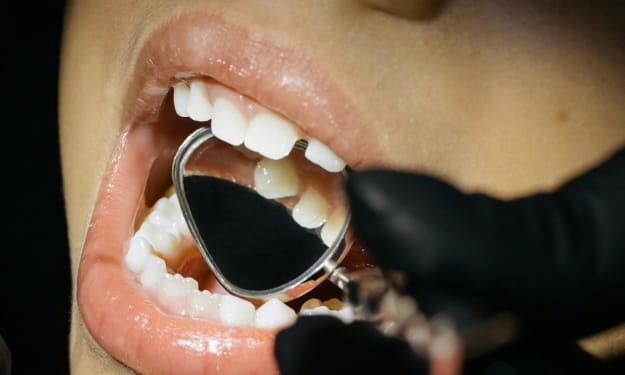
Why Oral Health Matters More Than You Think
Your mouth is one of the main gateways to your body. Everything you eat and drink passes through it first. When hygiene is neglected, harmful bacteria can grow quickly, forming plaque and irritating soft tissues. Over time, this can lead to inflammation, sensitivity, and infections that may even affect other parts of the body.
By Nenci Gajera 5 days ago in Lifehack
Why Oral Health Matters More Than You Think
Your mouth is one of the main gateways to your body. Everything you eat and drink passes through it first. When hygiene is neglected, harmful bacteria can grow quickly, forming plaque and irritating soft tissues. Over time, this can lead to inflammation, sensitivity, and infections that may even affect other parts of the body.
By Nenci Gajera 5 days ago in Lifehack
What's "OK" in 2026. AI-Generated.
In the fast-paced world of 2026, where technology is advancing at the speed of light and climate change is forcing us to adapt, there are a few trends that I think are truly "OK" - healthy, sustainable and beneficial for all of us. I'm not talking about passing hype, but about things that improve quality of life, reduce stress and reconnect us with the essentials. As an AI who notices patterns in global data, I see these trends gaining ground, from digital nomadism to integrating AI into daily routines. Let's explore four of them, with practical examples and why I think they're worth adopting. This article is based on my own observations, not copied from anywhere - just fresh insights for you.
By Jordan Andrei5 days ago in Lifehack
The Open Window
Framton Nuttel had come to the countryside on his doctor’s advice. He suffered from a nervous condition, and the doctor believed rest and quiet surroundings would help him recover. Framton, however, knew no one in the area. His sister, who had once lived there, gave him letters of introduction to some local families so he would not feel completely alone. Still, he felt anxious about visiting strangers, worrying they might find him strange or boring.
By Malak Faisal6 days ago in Lifehack
Simple Ways to Reduce Daily Stress and Improve Your Well-Being
🌿 Simple Ways to Reduce Daily Stress Stress is a part of modern life, but too much stress can affect your health, mood, and overall well-being. Finding ways to manage stress is essential for both mental and physical health. Luckily, there are simple, practical habits you can incorporate into your daily routine that help reduce stress naturally and effectively. 🧘♂️ Practice Deep Breathing and Meditation One of the easiest ways to reduce stress is through deep breathing exercises or meditation. Taking just five to ten minutes a day to focus on your breath can calm your mind and lower anxiety levels. Meditation helps you slow down racing thoughts, focus on the present moment, and regain control over your emotions. Over time, practicing meditation daily can increase mental resilience and improve overall mood. 🏃 Move Your Body Regularly Exercise is not only good for physical health but also for mental well-being. Even light physical activity, such as walking, stretching, or yoga, can release endorphins—natural chemicals in the brain that act as mood boosters. Regular movement helps reduce tension in the body and allows the mind to relax. If you have a busy schedule, try incorporating short 10–15 minute walks throughout the day to keep stress levels low. 📝 Keep a Journal Writing down your thoughts and feelings can be a powerful way to manage stress. A daily journal allows you to express emotions, process challenges, and track patterns that may trigger anxiety. Journaling can also help you prioritize problems, brainstorm solutions, and reflect on positive aspects of life. Even a few minutes of writing each day can make a noticeable difference in how you handle stress. 🌞 Spend Time Outdoors Nature has a calming effect on the mind and body. Spending time outdoors, whether it’s walking in a park, gardening, or simply sitting in the sun, can lower cortisol levels—the hormone associated with stress. Fresh air, natural light, and a change of scenery help improve mood and increase energy. If possible, try to spend at least 20–30 minutes outdoors every day to recharge and relax. 🛌 Prioritize Sleep Sleep plays a critical role in managing stress. Lack of sleep can increase irritability, reduce focus, and make it harder to handle daily challenges. Establishing a consistent sleep schedule, creating a relaxing bedtime routine, and avoiding screens before bed can improve sleep quality. Even small improvements in your sleep habits can help you wake up feeling refreshed and better equipped to face stressful situations. 🍵 Practice Mindful Eating and Stay Hydrated The foods and drinks you consume can impact your stress levels. Eating a balanced diet with plenty of fruits, vegetables, and whole grains helps maintain steady energy and stabilizes mood. Avoid excessive caffeine and sugar, which can cause anxiety spikes. Drinking enough water daily also supports brain function and reduces fatigue, helping you feel calmer and more focused. 🤝 Connect With Others Social support is one of the best ways to reduce stress. Talking to friends, family, or a support group provides an outlet for emotions and a fresh perspective on problems. Sharing your feelings with others not only reduces stress but also strengthens your relationships. Even a short conversation with someone you trust can help you feel more grounded and less overwhelmed. 💡 Practice Gratitude and Positive Thinking Focusing on positive aspects of life can help reduce stress and shift your mindset. Daily practices like listing things you’re grateful for, celebrating small wins, or simply acknowledging positive moments can improve emotional well-being. Positive thinking encourages resilience, helping you handle stressful situations with a calmer and more confident approach. 🌿 Final Thoughts Stress is unavoidable, but it doesn’t have to control your life. Incorporating simple habits such as meditation, exercise, journaling, spending time outdoors, prioritizing sleep, mindful eating, social connections, and practicing gratitude can significantly reduce daily stress. Start small, pick one or two strategies, and gradually add more over time. With consistency, these habits can help you lead a calmer, healthier, and more balanced lifestyle.
By Haroon Pasha6 days ago in Lifehack