airforce
With powerful aircraft and fearless fighters, the Air Force is always armed and ready to lift off and fight from above.
Marshall Aces
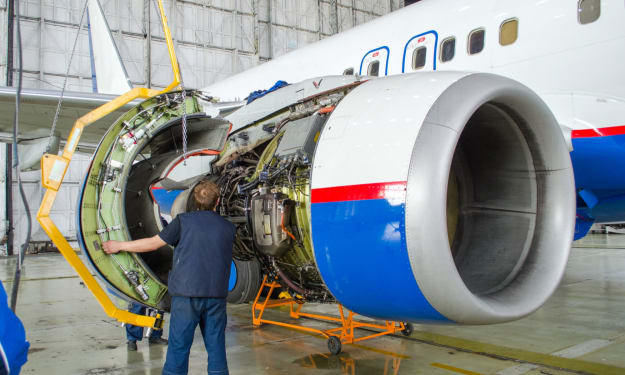
In a major milestone for the aviation and defense sector, Marshall has successfully gained approval to provide maintenance training for the Royal Netherlands Air Force's (RNLAF) C-130H fleet. This approval, granted by the Netherlands Military Aviation Authority (NLD-MAA), signifies that Marshall is fully compliant with the newly updated European Military Airworthiness Requirements (EMAR) for aircraft maintenance organizations (NLD-MAR-147).
By Horace Wasabout a year ago in Serve
New Missiles Cause a Frenzy
Lockheed Martin has unveiled the Mako missile, a cutting-edge air-launched hypersonic weapon designed specifically for the F-22 Raptor and F-35 Lightning II, the two most advanced stealth fighters in the U.S. military. The missile, developed over seven years, represents a significant leap in hypersonic technology and could reshape the future of air combat.
By Horace Wasabout a year ago in Serve
Military Big Birds
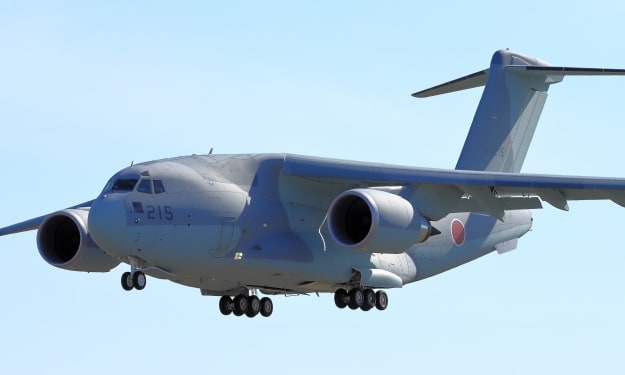
Military transport aircraft are essential for moving troops, equipment, and supplies, playing a pivotal role in logistics and operations around the world. This blog post explores the top 10 largest military transport aircraft currently in service, highlighting their impressive specifications and unique capabilities.
By Horace Wasabout a year ago in Serve
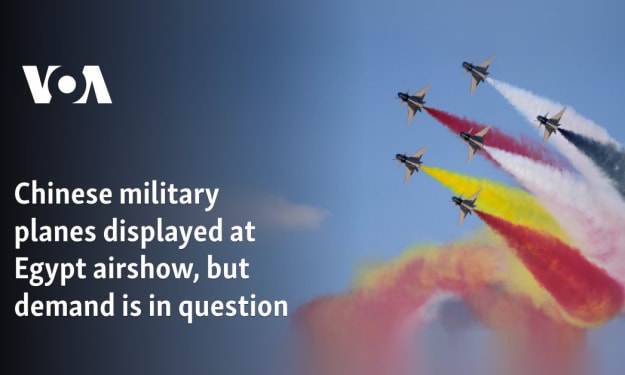
Ching Chong Conundrum
The Egypt International Air Show, held at El Alamein International Airport, was a notable event in 2024, drawing global attention with the first-ever demonstration of Chinese J-10 fighter jets and Y-20 transport aircraft in Africa. As China continues to expand its military and technological influence across the Middle East and North Africa (MENA), its presence at the airshow signals a growing interest in Chinese military hardware. But what is driving demand for Chinese planes, and how does this affect the broader geopolitical landscape?
By Horace Wasabout a year ago in Serve
From Concept to Combat
The Predator drone, one of the most transformative technologies in modern warfare, started from humble beginnings. What began as an idea to balance the scales in a conflict-ridden Central America eventually turned into a cornerstone of global surveillance and military strategy. In this post, we will explore how General Atomics entered the Predator business and the significant advancements that shaped the future of unmanned aerial vehicles (UAVs). It all began with the conflict in Nicaragua, where the Sandinistas were butchering indigenous Miskito Indians with Russian-made helicopters. General Atomics' founders, driven by a desire to stop this violence, conceived the idea of a "poor man's cruise missile." The concept involved using new GPS technology—which was unknown at the time—on small, unmanned aircraft that could be loaded with explosives and flown into fuel storage tanks. This innovative idea was the spark that later led to the development of the Predator drone.
By Horace Wasabout a year ago in Serve