
War Between Pakistan And Afghanistan
pak Afghan war

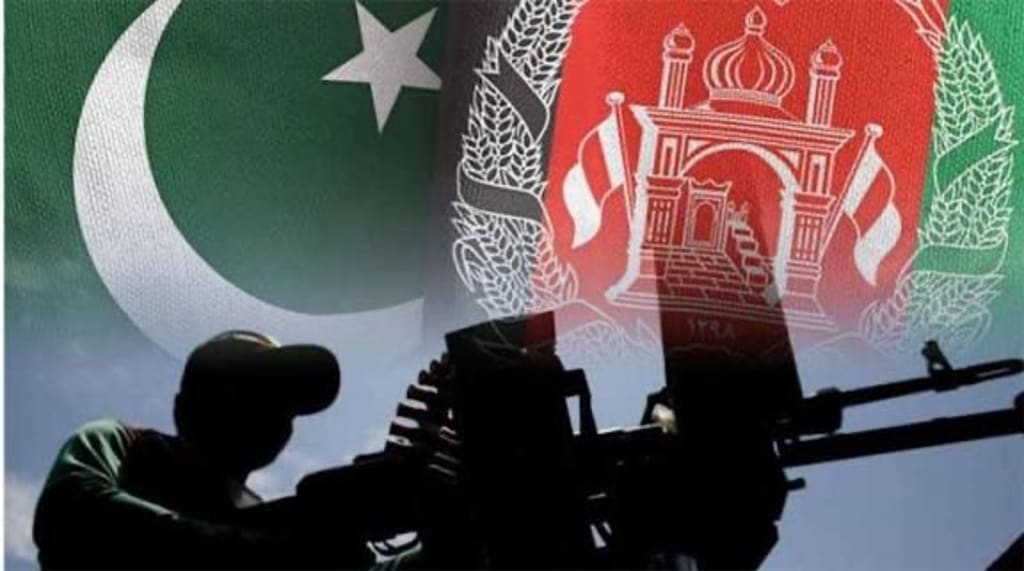
Tension Escalates Sharply at the Pakistan-Afghanistan Border
What’s happening now?
Tensions between Pakistan and Afghanistan have suddenly escalated into heavy fighting along their shared border, known as the Durand Line. Both sides are accusing each other of attacks, and military clashes have intensified in recent days. 
Why the Violence Started
The conflict began after Pakistani forces carried out air strikes inside Afghanistan. Pakistan says these strikes targeted militant groups it blames for recent attacks inside Pakistan. Islamabad claims it killed dozens of militants, including members of the Tehreek-e-Taliban Pakistan (TTP) and the Islamic State – Khorasan Province (ISKP). 
Afghan authorities strongly condemned the air strikes, saying they hit civilian areas and violated Afghanistan’s sovereignty. The United Nations also reported credible information that civilians, including children, were killed by these strikes. 
Both Sides Now Fighting Directly
After the air strikes:
• Afghan forces say they launched “heavy attacks” on Pakistani military positions along the border as retaliation. The Taliban government stated this was in response to the Pakistani strikes. 
• Pakistan reports “unprovoked firing” by Afghan forces in several sectors of Khyber Pakhtunkhwa province and says its security forces struck back firmly. Islamabad says its troops destroyed enemy posts and inflicted casualties. 
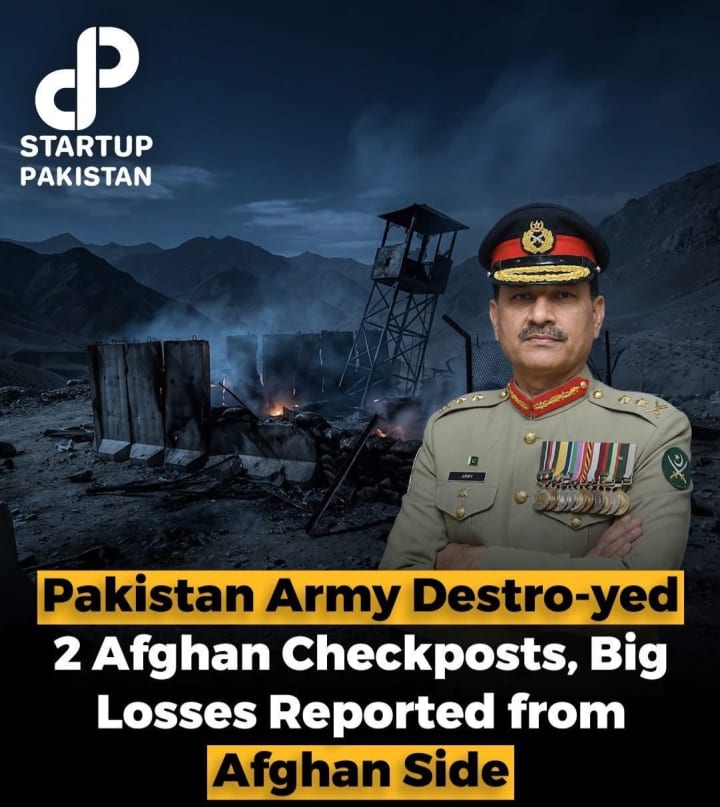
More Serious Military Actions Reported
Some reports suggest the conflict has gone beyond small skirmishes:
• Afghan officials and some news outlets claim that Taliban fighters captured Pakistan border outposts and inflicted heavy casualties on Pakistani soldiers. 
• Pakistan denies these claims and insists that its forces are defending their territory effectively. 
• Both countries have now announced formal military operations against each other, a dangerous step that shows how serious the conflict has become. 
What Each Side Says
Pakistan’s Position:
• Pakistan says Afghan forces opened fire without provocation, forcing a strong military response to protect its borders and citizens.
• Officials emphasize they will defend against cross-border threats and militant sanctuaries. 
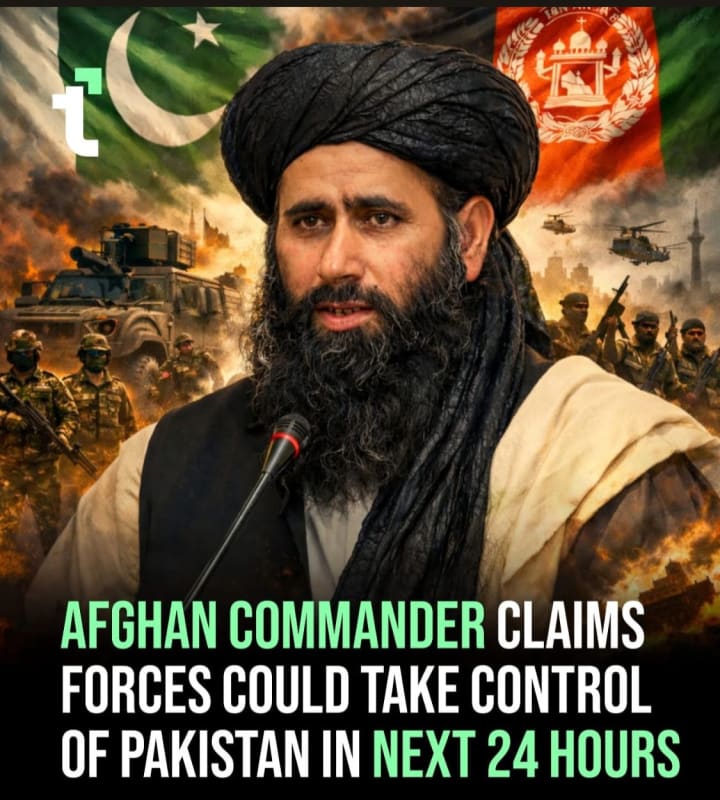
Afghanistan’s Position:
• Afghan authorities claim their attack was a retaliation to Pakistani air strikes that they say violated international law and killed civilians.
• They frame their offensive as defending their sovereignty. 
Background Causes of the Conflict
The Pakistan-Afghanistan border has been tense for years due to:
• Militant groups crossing borders and launching attacks, especially by the TTP. Pakistan accuses Afghanistan of allowing these groups to operate from its territory; Kabul denies this.
• Previous clashes and ceasefires, including a ceasefire in late 2025 that ultimately broke down. 
• Trade and border closures disrupting life and economy for ordinary people on both sides.
The long border — over 2,600 km (1,600 miles) — is difficult to control, and disagreements on its recognition and security have fueled tensions for decades. 
Impact on Civilians and the Region
So far, the fighting has:
• Killed and injured civilians — especially during air strikes — including reports of children among the victims. 
• Heightened fear and displacement near border communities, as military activity increases.
There is concern that continued escalation could further harm civilians and destabilize the region.
What Could Happen Next
At the moment:
- • Diplomatic contact between Islamabad and Kabul is limited, and neither side has shown willingness to back down.
- • International calls for restraint and dialogue are expected, but serious negotiations have not yet restarted.
- • Local border crossings and trade routes may remain closed, affecting everyday life for people who rely on them.
Why This Matters
This escalation is significant because:
1. Pakistan and Afghanistan share deep historical ties and social connections across the border.
2. Violence threatens wider regional stability, affecting security, refugees, and economic activity.
3. Militant violence and distrust make peace harder, especially when each side blames the other for sheltering or supporting extremist groups.
Simple Summary
In easy words:
👉 Pakistan and Afghanistan are now fighting directly along their shared border after Pakistan bombed militant targets inside Afghanistan.
👉 Afghanistan says its forces hit back at Pakistan.
👉 Both sides are accusing each other of starting the conflict.
👉 Civilians have been hurt, and tensions are high, with no clear end in sight.
About the Creator
shaoor afridi
“I am a passionate writer dedicated to sharing informative, engaging, and well-researched articles. My goal is to provide valuable content that educates, inspires, and adds real value to readers.”
Keep reading
More stories from shaoor afridi and writers in Serve and other communities.
Why America Failed in Afghanistan
The withdrawal of the United States from Afghanistan in August 2021 marked the end of a 20-year war and raised a difficult but necessary question: why did America fail in Afghanistan despite unmatched military power, resources, and global influence? The answer is not simple. The failure was not the result of a single mistake but rather a combination of strategic miscalculations, political contradictions, cultural misunderstandings, and unrealistic goals that accumulated over two decades.
By shaoor afridi2 months ago in Serve
Until Dawn
Asim carefully drove his car off the paved road onto the dusty terrain. The journey was long, and no signs of habitation were visible nearby. Alongside him was his assistant, Sarfaraz, a well-educated young man who managed Asim’s family business. Sarfaraz noticed a group of nomadic girls struggling with thirst near the road. Offering to buy water for them, he stepped out to help. One girl insisted she would provide water without any payment. When Asim arrived, he insisted on paying, respecting her effort. He gave them 300 rupees in appreciation.
By Sudais Zakwan30 days ago in Serve
📢 Raise Your Voice Thread: 02/19/2026
Our “Raise Your Voice Threads” are hosted most alternating Thursdays at 12PM ET to offer creators more avenues to uncover exceptional stories on Vocal. As we are continuously searching for fresh creators and inspiring stories, this thread provides an opportunity to exchange and discuss the stories that have moved and motivated us on Vocal.
By Raise Your Voice by Vocal7 days ago in Resources




Comments
There are no comments for this story
Be the first to respond and start the conversation.