bitcoin
Behold the Bitcoin, the original cryptocurrency; whether you're a skeptic or a bitcoin believer, get the lowdown on this controversial coin.
Crypto Coin: Architecture, Utility Models, and Market Dynamics Explained
The term Crypto coin refers to a native digital asset that operates on its own blockchain infrastructure, functioning as a medium of exchange, store of value, and programmable financial instrument. Unlike tokens that are deployed on existing chains, a Crypto coin underpins its network’s consensus, incentivization, and transaction validation layers. Understanding how a Crypto coin operates requires a multi-dimensional perspective that includes cryptographic security, economic design, governance structures, and regulatory implications.
By Siddarth Dabout an hour ago in The Chain
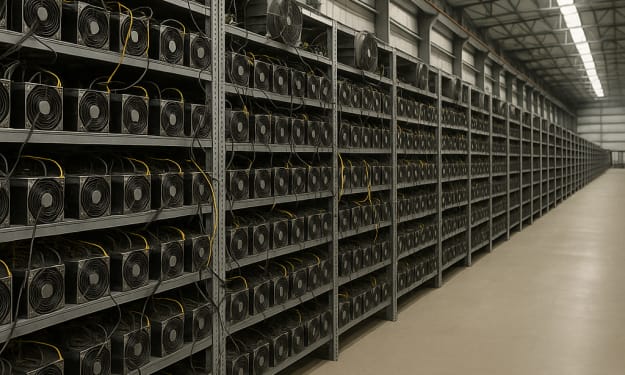
The Power Behind Bitcoin
Bitcoin borrowed a word that does not belong to it. Mining sounds physical. It carries an image of dirt, steel, and effort. It suggests men who work in tunnels and move rock by the ton. When the public hears it, they picture a job that leaves a body tired in a way that makes sense. None of that exists in a modern Bitcoin facility. What you find instead is a heat-filled building lined with machines made for only one purpose. Each machine is a miner. One miner equals one computer. Thousands of them sit in rows, running without rest. Once a person understands that a miner is not a human but a device that never sleeps, the scale becomes easier to grasp. These machines fire through guesses at high speed. Each one is trying to match the one valid answer the network will accept. The winning machine earns the reward. All other miners (computers) try again. The entire operation is a probability race powered by electricity.
By Dr. Mozelle Martinabout 20 hours ago in The Chain
Commodity-Backed Stablecoins: Redefining Value in the Digital Economy
The cryptocurrency market has consistently evolved to address volatility, scalability, and trust. Among the innovations reshaping this ecosystem, commodity-backed stablecoins have emerged as a critical bridge between blockchain technology and traditional asset classes. Unlike purely algorithmic or fiat-backed models, these tokens derive value from tangible commodities such as gold, silver, oil, or even agricultural products. This asset-collateralized approach not only mitigates market instability but also offers institutional-grade trust for investors seeking transparency and sustainability in digital finance.
By Siddarth D4 days ago in The Chain
Cost to Create a Stablecoin: A Complete Guide for Businesses and Entrepreneurs
Stablecoins have become one of the most important innovations in blockchain technology. Unlike cryptocurrencies such as Bitcoin or Ethereum, which are often highly volatile, stablecoins are designed to maintain a steady value, usually pegged to fiat currencies like the US dollar or other assets. Their reliability makes them crucial for payments, remittances, trading, and decentralized finance (DeFi).
By Siddarth D4 days ago in The Chain
How Stablecoin Issuers Make Money: A Deep Dive
Stablecoins have rapidly emerged as a critical bridge between the world of cryptocurrencies and traditional finance. Unlike other digital assets, stablecoins are designed to maintain a steady value, typically pegged to fiat currencies such as the U.S. dollar. This unique positioning has fueled their adoption across global markets. But a question often arises: how stablecoin issuer make money? Behind the stability of these tokens lies a business model that generates sustainable revenue streams for issuers while keeping the ecosystem functional.
By Siddarth D4 days ago in The Chain
Advantages and Disadvantages of Stablecoin: A Complete Guide
The world of cryptocurrency has evolved far beyond the early days of Bitcoin and Ethereum. Among the many innovations that have emerged, stablecoins have gained massive attention. As the name suggests, stablecoins are designed to bring “stability” into the often-volatile crypto market. By pegging their value to assets like the US dollar, gold, or other fiat currencies, stablecoins attempt to provide a balance between traditional finance and the digital world.
By Siddarth D4 days ago in The Chain
The Global Race to Regulate Stablecoins: How Countries Are Shaping the Future of Digital Currency
The rapid rise of stablecoins marks a pivotal moment in the evolution of global finance. These digital assets—pegged to the value of fiat currencies like the US dollar or the euro—offer the promise of fast, low-cost transactions without the volatility associated with other cryptocurrencies. However, with their growing popularity, stablecoins have also triggered a regulatory dilemma that governments around the world are now racing to address.
By Siddarth D4 days ago in The Chain
How Stablecoins Are Created: A Deep Dive Into The Future of Digital Finance
The evolution of digital finance is reshaping how we think about money, and at the heart of this revolution lies a seemingly simple yet incredibly powerful innovation: the stablecoin. Designed to offer the best of both worlds—blockchain’s speed and decentralization with the stability of traditional currencies—stablecoins are quickly becoming integral to both individual transactions and global financial systems. But how are these digital assets actually brought to life? What lies beneath their perceived simplicity? Let’s take a deep dive into how stablecoins are created, and what it takes to build a currency that must remain stable in a volatile digital world.
By Siddarth D4 days ago in The Chain
How Stablecoin Issuers Make Money: 12 Proven Revenue Models
Stablecoins have become a cornerstone of the digital asset ecosystem, offering price stability in an otherwise volatile market. As demand surges—from retail traders hedging risk to large institutions conducting cross-border settlements—the question arises: How Stablecoin Issuers Make Money. Unlike pure speculative tokens, stablecoins must maintain a peg to fiat or another asset, which creates unique revenue opportunities. In this post, we unpack each model, illustrate with case studies, and outline strategic considerations for issuers aiming for both profitability and trust.
By Siddarth D4 days ago in The Chain
Stock Trading - Entry 55
While spiritual, I ascribe neither to Christianity nor to Judaism. This article is all about a warning for investors such as myself. I am not dispensing investing advice, only reflections on my personal financial situation when it comes to investing...in blockchains.
By Richard Soulliere8 days ago in The Chain
Bitcoin Hit $60,000 Because Two Different Groups Finally Surrendered — On-Chain Data Shows Who Blinked. AI-Generated.
When Bitcoin surged past the $60,000 mark, headlines framed it as another chapter in crypto’s familiar boom-and-bust cycle. But on-chain data tells a more precise and revealing story. This rally did not come from blind optimism or retail hype alone. It emerged because two opposing forces in the market—long-term holders and aggressive short sellers—both reached a breaking point at the same time. One group gave up on waiting. The other gave up on betting against the trend.
By Sajida Sikandar11 days ago in The Chain