
Reports suggest discussions inside Washington about limited troop deployment as tensions with Tehran escalate.
Behind closed doors, Washington debates the risks of escalating the confrontation with Tehran.” “Private discussions raise questions about a potential shift from air power to boots on the ground.” “Rising tensions with Tehran spark quiet deliberations over a possible U.S. ground presence.” “Strategic calculations in Washington hint at deeper military involvement in the Middle East.” “As the crisis deepens, policymakers weigh the dangers of sending American forces into Iran.”

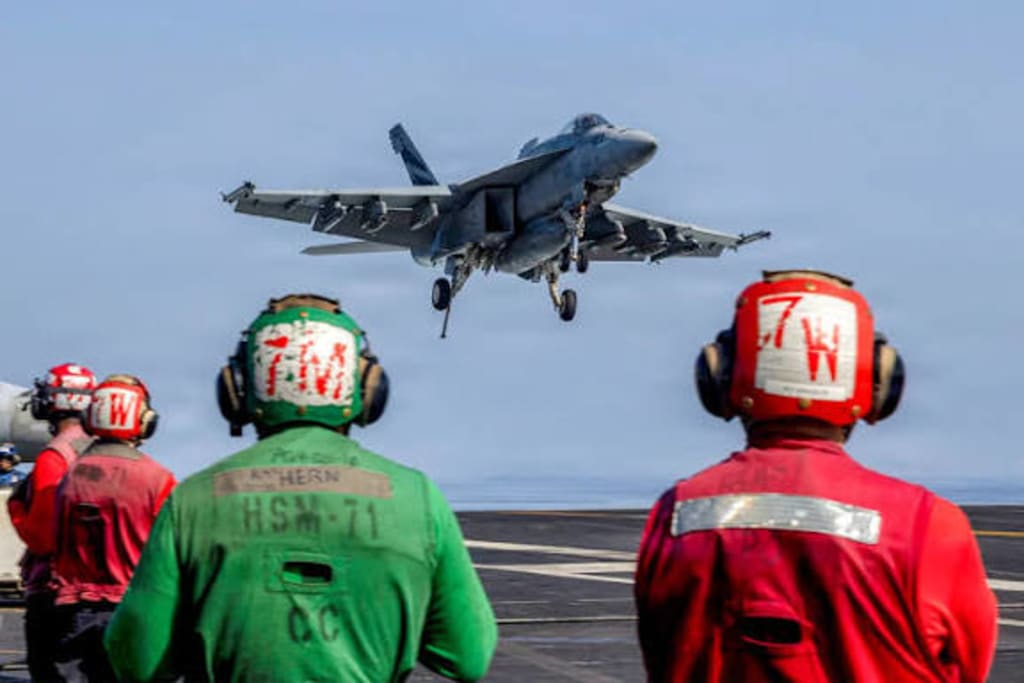
As tensions between the United States and Iran intensify, reports from officials familiar with internal discussions suggest that Donald Trump has privately shown serious interest in deploying U.S. ground troops inside Iran. While no final decision has been made, the conversations highlight a potentially significant escalation in a conflict that has so far been dominated by air strikes and naval operations.
According to multiple sources cited in recent reports, Trump has discussed the possibility of sending a limited contingent of American troops into Iran for specific strategic missions rather than launching a full-scale ground invasion.
The discussions reportedly took place in conversations with advisers, Republican allies, and military officials. Those familiar with the talks emphasized that the concept centers on deploying a relatively small force designed to achieve targeted objectives such as securing sensitive nuclear facilities, protecting strategic sites, or assisting allied operations.
The potential move comes amid a rapidly evolving military confrontation in the region. U.S. forces have conducted extensive air operations aimed at Iranian military infrastructure, while Iran has responded with missile and drone strikes targeting American and allied assets in the Middle East. The growing cycle of attack and retaliation has raised fears of a broader regional war.
Despite the private discussions, the White House has pushed back against reports suggesting that a ground deployment is imminent. Officials insist that the president has not issued any orders and that all military options remain under review. A spokesperson emphasized that any speculation about specific plans should be treated cautiously, noting that the administration often evaluates multiple scenarios during a crisis.
Military analysts say even a small ground presence inside Iran would mark a dramatic escalation in the conflict. Iran is a large country with significant military capabilities, and any deployment of foreign troops could provoke a strong response from Iranian forces and allied militias across the region.
The United States has previously avoided placing “boots on the ground” in Iran, relying instead on air power, naval deployments, and regional partnerships to contain tensions. However, some policymakers argue that certain strategic goals—such as securing nuclear materials or stabilizing key locations—could be difficult to achieve without limited ground operations.
Trump himself has publicly suggested that he is not ruling out any options. In recent remarks, he stated that while ground troops may not be necessary, they could become a possibility if circumstances require stronger action.
Supporters of a tougher approach toward Iran argue that decisive military pressure could weaken Tehran’s leadership and force negotiations over nuclear development and regional influence. They also believe that demonstrating U.S. willingness to escalate may deter further Iranian attacks.
Critics, however, warn that even a limited deployment could quickly spiral into a larger war. Memories of prolonged conflicts in Iraq and Afghanistan remain fresh in the minds of many policymakers and voters, raising concerns about the risks of becoming entangled in another long and costly military engagement in the Middle East.
Another factor influencing the debate is the potential geopolitical impact. Any U.S. ground operation inside Iran would likely draw reactions from major global powers and could disrupt energy markets, particularly given Iran’s position near key oil shipping routes in the Persian Gulf.
Within Washington, lawmakers from both parties have called for greater transparency regarding military planning. Some members of Congress argue that any decision to deploy troops should involve legislative approval, while others insist the president must retain flexibility to respond quickly to emerging threats.
Meanwhile, international leaders are urging restraint and diplomatic engagement to prevent further escalation. Several governments have called for renewed negotiations aimed at reducing tensions and avoiding a broader regional conflict that could destabilize global security.
For now, the idea of U.S. ground troops in Iran remains a possibility under discussion rather than an approved policy. But the mere consideration of such a move underscores the seriousness of the current crisis and the complex choices facing American leaders.
As the conflict continues to evolve, the decisions made in Washington could shape the future of Middle Eastern geopolitics—and determine whether the confrontation remains limited or expands into a much larger war.
About the Creator
Fiaz Ahmed
I am Fiaz Ahmed. I am a passionate writer. I love covering trending topics and breaking news. With a sharp eye for what’s happening around the world, and crafts timely and engaging stories that keep readers informed and updated.
Keep reading
More stories from Fiaz Ahmed and writers in The Swamp and other communities.
Washington Moves to Break Hormuz Shipping Paralysis With $20B Maritime Insurance Plan
The United States is taking decisive steps to safeguard commercial shipping through the Strait of Hormuz, unveiling a $20 billion maritime insurance initiative designed to reduce risk for international vessels navigating one of the world’s most strategically sensitive waterways. The plan, announced by the U.S. Department of Defense and Treasury, comes amid escalating regional tensions and recent Iranian attacks on shipping vessels, which have disrupted global oil supplies and triggered volatility in international energy markets. The Strait of Hormuz, a narrow maritime chokepoint connecting the Persian Gulf to the Arabian Sea, is vital for global energy trade. Nearly 20% of the world’s oil supply passes through the strait, making its security a high priority for energy-importing nations and multinational shipping companies. Recent incidents—including attacks on tankers and drone strikes in nearby waters—have prompted insurers to hike premiums, with some firms refusing to cover vessels at all. The U.S. plan seeks to fill that gap by offering a government-backed insurance mechanism for commercial vessels operating in high-risk areas. Officials emphasize that the initiative is designed to restore confidence in maritime trade, ensuring that oil, liquefied natural gas, and other essential commodities continue flowing despite geopolitical tensions. “Energy and trade security are national security imperatives,” said Lloyd Austin. “This initiative will provide predictable coverage for commercial operators and help prevent disruptions that could ripple through global markets.” The $20 billion fund will cover both direct damages to ships and cargo as well as liability claims arising from hostile actions. U.S. officials indicated that the plan is available to vessels from all nations, emphasizing multilateral cooperation in maintaining safe maritime operations. Analysts say the approach mirrors historical precedents, such as wartime convoy insurance programs, but on a modern scale adapted to current geopolitical risks and the complex web of international shipping interests. Iran has frequently threatened to close the Strait of Hormuz in response to sanctions, naval operations, and perceived foreign interference. These threats have previously caused spikes in oil prices and disrupted supply chains. Shipping companies have grown increasingly wary of sending vessels through the region without adequate protection, creating what some analysts describe as a “shipping paralysis.” “This insurance initiative is a strong signal to Tehran and other actors that the international community is prepared to maintain maritime trade regardless of threats,” said Michael Singh. “By reducing financial risk, it removes a key leverage point that could be used to intimidate shipping firms.” Critics, however, caution that the plan is not a substitute for diplomacy or conflict resolution. While insurance may mitigate economic risk for private companies, it does not address the underlying political tensions that fuel instability in the Gulf. Analysts stress the need for parallel diplomatic engagement with Gulf states, Iran, and international partners to prevent escalation that could threaten both commercial and military vessels. The initiative is also expected to influence global energy markets. By ensuring that tankers and LNG carriers can transit the strait without prohibitive insurance costs, the U.S. hopes to stabilize supply and contain price spikes that have affected both European and Asian economies in recent months. Energy traders have reacted positively, with futures markets showing modest declines in volatility following the announcement. In addition to insurance coverage, the U.S. plans to coordinate closely with allied navies operating in the region, providing escort services, intelligence sharing, and rapid response to threats. These combined measures reflect a comprehensive approach to maritime security, emphasizing both financial and operational protections for international shipping. Shipping industry representatives have welcomed the plan, noting that it could restore confidence in one of the world’s most vital energy corridors. “Having a reliable insurance framework backed by a major government makes the difference between sending a ship through and rerouting it hundreds of miles,” said one shipping executive speaking on condition of anonymity. Washington’s $20 billion maritime insurance initiative represents a significant step in ensuring uninterrupted commerce in the Strait of Hormuz. While not a solution to the broader geopolitical challenges in the Middle East, it aims to mitigate immediate economic risks and reassure international stakeholders that trade and energy flows can continue despite regional tensions.
By Fiaz Ahmed about 12 hours ago in The Swamp
The Saddest Thing - The Billionaires Who Rule America Aren't Even Enjoying Themselves
This single post says more about our ruling class than a thousand policy papers. The saddest thing about today's system is that the men robbing the rest of us - sabotaging our economic prospects, our pensions, our access to affordable healthcare - are not even happy.
By Scott Christenson🌴29 days ago in The Swamp


Comments
There are no comments for this story
Be the first to respond and start the conversation.