finance
Money talks; reviewing the global economy, government spending, taxes, and economic policy that affect our social and political future.
Help with US border
Overview of the Proposal President Donald Trump recently suggested — in a social media post on Truth Social — that the United States “should have” invoked Article 5 of the North Atlantic Treaty Organization (NATO) in order to bring NATO forces to the U.S. southern border to help stem illegal immigration. According to Trump, calling on NATO allies to secure the border would “free up large numbers of Border Patrol Agents for other tasks.” Article 5 is NATO’s collective defense clause, stating that an armed attack on one member is considered an attack on all. It’s the cornerstone of the alliance’s mutual defense guarantee — and in nearly 80 years, it has been invoked only once, when NATO allies responded to the September 11, 2001 terrorist attacks on the United States. Trump’s remarks represent a sharp departure from how Article 5 has historically been understood and applied. Illegal immigration — no matter the scale — is not typically viewed as an armed attack by another state, which is the standard under the treaty to trigger collective defense.
By USA daily update about a month ago in The Swamp
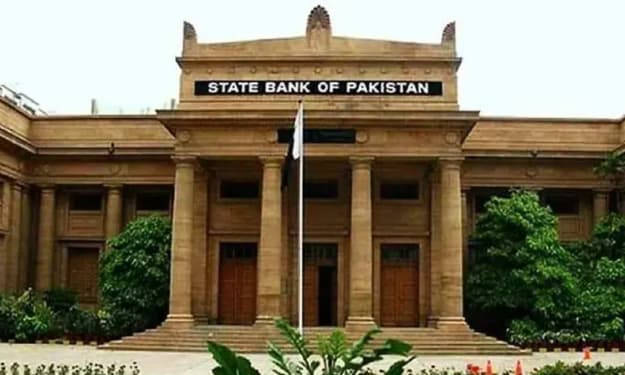
Exchange Firm’s Licence Cancelled: What It Means for Investors and the Market. AI-Generated.
The cancellation of an exchange firm’s licence by financial authorities has sent ripples across the investment community, sparking uncertainty among investors and renewed debate about regulatory oversight. Such actions are not taken lightly and often signal serious compliance failures, governance issues, or risks to the broader financial system. For investors and market participants, the decision raises an urgent question: what happens next? This development highlights the fragile balance between innovation in financial markets and the need for strict regulation to protect investors. As authorities move to enforce rules, the implications extend far beyond a single firm, affecting confidence, liquidity, and the overall market environment. Why an Exchange Firm’s Licence Gets Cancelled Regulators typically revoke an exchange firm’s licence only after identifying significant violations. These may include failure to meet capital requirements, inadequate risk management systems, lack of transparency, or breaches of anti-money laundering (AML) and know-your-customer (KYC) regulations. In some cases, repeated warnings or fines precede the final decision. When corrective actions are ignored or deemed insufficient, authorities may conclude that the firm poses a risk to investors or market integrity. Licence cancellation is therefore both a punitive and preventive measure designed to stop further harm. For the public, such decisions often raise concerns about how long the problems existed and whether earlier intervention could have minimized losses. Immediate Impact on Investors For investors directly involved with the exchange firm, the licence cancellation can be deeply unsettling. Access to accounts may be restricted while regulators assess the situation, and withdrawals or trades could be temporarily frozen. This uncertainty often leads to anxiety, particularly for retail investors who rely on the platform to manage savings or active investments. Regulators usually work with administrators or trustees to safeguard client assets. However, the recovery process can be slow, and outcomes depend on how well customer funds were segregated from the firm’s operational accounts. Investors are often advised to stay informed through official regulatory updates and avoid relying on rumors or unverified sources. Market Reaction and Short-Term Volatility Beyond individual investors, the broader market can also feel the effects. News of a licence cancellation often triggers short-term volatility, especially if the firm had a significant market presence. Prices of related assets may fluctuate as traders react to uncertainty, and confidence in similar platforms can weaken. Other exchange firms may experience increased scrutiny, with investors reassessing where they place their funds. While this can initially disrupt trading volumes, it may also encourage a shift toward more transparent and well-regulated platforms. Market analysts note that while short-term reactions can be dramatic, long-term stability often improves when weak or non-compliant entities are removed from the system. What This Means for Market Trust Trust is a cornerstone of financial markets. When an exchange firm loses its licence, it can undermine confidence, especially among first-time or smaller investors. Many may begin to question whether regulatory bodies are doing enough to monitor firms proactively rather than reactively. At the same time, decisive regulatory action can also restore trust. By demonstrating that rules are enforced and misconduct has consequences, authorities send a message that investor protection is a priority. Over time, this can strengthen the market by encouraging higher standards across the industry. Regulatory Oversight and Its Broader Significance The licence cancellation underscores the critical role of regulators in maintaining market integrity. Financial authorities are tasked with balancing innovation and risk, ensuring that firms operate transparently while allowing markets to evolve. In recent years, regulators worldwide have tightened oversight, particularly in fast-growing sectors such as digital assets and alternative trading platforms. This case may prompt further reviews of licensing frameworks, compliance monitoring, and enforcement mechanisms. For firms still operating in the market, the message is clear: compliance is not optional. Strong governance, clear reporting, and adherence to regulations are essential for long-term survival. Lessons for Investors This incident offers several important lessons for investors: Due diligence matters: Investors should research exchange firms carefully, including their regulatory status and compliance history. Diversification reduces risk: Relying on a single platform increases exposure to operational and regulatory risks. Regulation provides protection: While regulation may seem restrictive, it plays a crucial role in safeguarding investor interests. Financial experts recommend that investors prioritize platforms with strong regulatory backing and transparent operational practices. Long-Term Implications for the Market In the long run, the removal of non-compliant exchange firms can lead to a healthier market environment. While disruptions are inevitable, stronger oversight can improve resilience and reduce systemic risk. The episode may also accelerate reforms, encouraging regulators to enhance monitoring tools and firms to adopt higher standards. For investors, this could mean greater confidence and more sustainable growth opportunities in the future. Conclusion The cancellation of an exchange firm’s licence is a significant event with far-reaching implications. For investors, it brings uncertainty and potential financial stress. For the market, it highlights vulnerabilities while reinforcing the importance of regulation and accountability. Although the immediate impact may be unsettling, decisive regulatory action can ultimately strengthen trust and stability. As the situation unfolds, investors and market participants alike will be watching closely, hoping that lessons learned lead to a safer and more transparent financial ecosystem.
By Aarif Lashari2 months ago in The Swamp
“Jobs, Jobs, Jobs”: The AI Mantra in Davos as Fears Take Back Seat. AI-Generated.
As the World Economic Forum (WEF) in Davos kicked off its 2026 meetings, the conversation has taken a noticeably optimistic turn. Gone are the dominant narratives of fear and disruption surrounding artificial intelligence (AI); instead, a new mantra—“jobs, jobs, jobs” is taking center stage. Policymakers, business leaders, and technologists are focusing on AI’s potential to create employment opportunities, boost productivity, and transform industries. From Fear to Opportunity Over the past few years, discussions about AI often centered on job displacement, automation, and economic disruption. Headlines highlighted fears that machines would replace human workers, creating uncertainty across sectors. However, the narrative at Davos this year is different. Leaders are increasingly emphasizing AI as a tool for economic growth: Generating new employment opportunities in tech, healthcare, logistics, and creative industries. Streamlining workflows to boost productivity without necessarily reducing workforce numbers. Encouraging upskilling and reskilling initiatives to prepare workers for AI-driven economies. Executives repeatedly echoed the mantra “jobs, jobs, jobs”, signaling a shift from anxiety to proactive planning. AI’s Role in Job Creation Industry experts at Davos highlighted that AI is not just a threat to employment—it can also be a powerful engine for job creation. Some examples include: New tech roles: AI development, machine learning engineering, and AI ethics positions are in high demand. Support roles: Deployment of AI systems requires trainers, quality assurance specialists, and maintenance teams. Creative industries: AI-powered tools are enabling artists, writers, designers, and marketers to produce more efficiently, opening new revenue streams. Healthcare and education: AI applications are creating roles in telemedicine, diagnostics, personalized learning, and data analysis. A report presented at Davos indicated that for every role AI automates, it could potentially create 1.5 to 2 new roles, especially in sectors that adapt quickly. Corporate Perspectives Major corporations attending WEF 2026 are presenting AI as a growth strategy rather than a disruption threat: Tech giants are investing billions in AI initiatives while highlighting plans to train existing staff. Financial institutions see AI as a way to enhance client services, reduce manual tasks, and expand operations, thereby creating more human-centric jobs. Manufacturing and logistics companies emphasized collaborative robots (cobots) and AI-powered supply chains that augment workers rather than replace them. Executives consistently framed AI as a tool to enhance human potential, aligning with the global focus on employment generation. Policy Makers and Economic Implications Government officials at Davos are echoing similar sentiments, suggesting that policy frameworks must balance AI adoption with workforce protection: Investments in training programs and education reform to equip citizens with AI-related skills. Tax incentives and grants to encourage businesses to create AI-enhanced jobs rather than automate positions entirely. Collaboration between public and private sectors to ensure AI technologies drive inclusive growth. These discussions signal a shift from fear-driven policies to opportunity-driven approaches, acknowledging that AI could become a major driver of economic expansion. Upskilling and Reskilling Initiatives A recurring theme at Davos is preparing the workforce for AI integration. Companies and governments are rolling out programs to help workers: Learn AI tools and platforms relevant to their industries. Develop skills for emerging roles that AI cannot replace, such as creative thinking, leadership, and human-centered problem solving. Transition from traditional roles into AI-enhanced positions that require hybrid skills. By focusing on upskilling rather than layoffs, AI is positioned as a tool for workforce empowerment rather than displacement. Global Economic Outlook The positive framing of AI at Davos is supported by economic data: Studies suggest AI adoption could add trillions to global GDP over the next decade. AI-driven productivity gains may boost wage growth in skilled sectors. Emerging economies could leverage AI to create jobs and accelerate development, particularly in technology, logistics, and education sectors. Analysts believe that the emphasis on employment opportunities helps reduce fears and encourages broader societal acceptance of AI technologies. Challenges and Considerations Despite the optimism, experts caution that AI adoption is not without risks: Unequal access to AI technologies could widen global and regional disparities. Rapid automation in certain sectors may still displace low-skill jobs if upskilling initiatives lag. Ethical and regulatory challenges surrounding AI usage must be addressed to ensure fair labor practices. Leaders at Davos emphasized that responsible AI governance is essential to realize the promise of job creation while mitigating social and economic risks. The Cultural Shift at Davos The 2026 forum represents a cultural shift in the global conversation about AI. Whereas past meetings were dominated by fear of disruption, this year: Industry and government leaders are highlighting human-AI collaboration. Discussions are oriented toward practical implementation of AI for economic and social benefit. The mantra “jobs, jobs, jobs” reflects a proactive, opportunity-oriented approach to technology adoption. This optimism signals a new era where AI is framed as a workforce multiplier rather than a replacement threat. Final Thoughts The World Economic Forum in Davos 2026 underscores a pivotal moment in how the world views AI. Rather than fearing mass job losses, leaders are embracing AI as a tool for economic growth, workforce empowerment, and innovation. The repeated refrain of “jobs, jobs, jobs” reflects a global consensus: AI’s future is not just about automation—it’s about creating new opportunities, industries, and careers. For businesses, policymakers, and workers, the message is clear: preparation, upskilling, and collaboration are key to ensuring that AI drives inclusive, sustainable employment growth. As fears take a back seat, the focus in Davos is on human potential augmented by technology, a message that could shape the global economic landscape for years to come.
By Muhammad Hassan2 months ago in The Swamp
SStrange Metal From Beyond Our Planet Spotted in Ancient Treasure Stash. AI-Generated.
Sometimes, history throws us a curveball so strange it feels more like science fiction than archaeology. Imagine opening a Bronze Age treasure chest—gold gleaming, artifacts carefully arranged—only to discover that some of the metal inside didn’t even come from Earth.
By Aarif Lashari2 months ago in The Swamp
Toyota to Recall Around 162,000 US Vehicles Over Faulty Display Screen. AI-Generated.
Toyota Motor Corporation has announced a recall affecting approximately 162,000 vehicles in the United States, citing issues with faulty display screens in certain models. According to the company, the screens may malfunction or fail completely, potentially impacting drivers’ ability to access essential vehicle information such as speed, fuel levels, and warning notifications.
By Muhammad Hassan2 months ago in The Swamp
Rs15 Billion Assistance for Rice Exporters: Government Vows to Ensure There Is No Misuse. AI-Generated.
In a bold move aimed at bolstering Pakistan’s rice sector, the government has announced Rs15 billion in financial assistance for rice exporters. The initiative comes at a crucial time as global demand for rice fluctuates due to supply chain challenges, inflation, and geopolitical tensions affecting trade. Officials have also emphasized that strict measures will be in place to prevent misuse of the funds, ensuring that the aid reaches its intended recipients.
By Muhammad Hassan2 months ago in The Swamp
Hyundai Motor to Recall Nearly 84,000 US Vehicles Over Instrument Panel Display Failure, NHTSA Says. AI-Generated.
Hyundai Motor Company has announced a major recall affecting nearly 84,000 vehicles in the United States, after the National Highway Traffic Safety Administration (NHTSA) flagged an issue with instrument panel displays. According to officials, the displays in certain models may fail unexpectedly, preventing drivers from seeing critical information such as speed, fuel level, and warning lights. The recall highlights the importance of vehicle safety oversight and timely responses to potential defects.
By Muhammad Hassan2 months ago in The Swamp
Exchange Firm’s Licence Cancelled: What It Means for Investors and the Market. AI-Generated.
In a move that has sent ripples across the financial sector, regulators recently cancelled the licence of a major exchange firm, citing violations of compliance and financial regulations. The decision has sparked concern among investors, raised questions about oversight in the trading industry, and highlighted the importance of transparency and accountability in financial operations.
By Muhammad Hassan2 months ago in The Swamp
New Zealand Landslide: Rescue Efforts Called Off for Six People Buried in Disaster. AI-Generated.
Rescue efforts have been officially called off for six people buried in a devastating landslide in New Zealand, as authorities confirmed that continued operations posed an unacceptable risk to emergency workers. The decision marks a painful turning point in a tragedy that has shaken the nation and reignited concerns over extreme weather, land stability, and disaster preparedness.
By Aarif Lashari2 months ago in The Swamp
Asbestos Found in Children’s Play Sand Sold in the UK. AI-Generated.
Safety fears grow as investigators uncover traces of the hazardous material in products marketed for young children Serious safety concerns have emerged in the UK after asbestos was found in children’s play sand sold through retailers and online marketplaces. The discovery has sparked alarm among parents, health experts, and consumer safety groups, raising urgent questions about product testing, regulation, and oversight in the children’s toy and play materials market.
By Aarif Lashari2 months ago in The Swamp
How Will the Finished 2 Line Impact Daily Commutes Across Lake Washington?. AI-Generated.
The long-awaited completion of the 2 Line light rail promises to significantly reshape daily commuting across Lake Washington, offering new travel options for thousands of residents in the Seattle–Eastside region. As the project moves closer to full operation, commuters, businesses, and city planners alike are assessing how the expanded transit line will change travel patterns, reduce congestion, and influence everyday life.
By Aarif Lashari2 months ago in The Swamp