technology
Talking tech; debates about regulating technology, privacy laws, piracy, and the pitfalls of AI.
India Tells University to Leave AI Summit After Presenting Chinese Robot as Its Own, Sources Say. AI-Generated.
What was meant to be a celebration of technological progress turned into a public relations headache after an Indian university was reportedly asked to leave a major artificial intelligence summit for presenting a Chinese-made robot as its own invention.
By Sajida Sikandar6 days ago in The Swamp
A piece on Palantir and it's dangers. Content Warning.
In the current political landscape of the United States, you may have heard the name “Palantir” brought up in conversation at some point. Palantir, a data analytics company, has been the target of much scrutiny and debate over its anti-crime and anti-terrorism advantages, as well as severe privacy concerns and fears of mass surveillance. This is the reason why Palantir is a very important topic in the area of Homeland Security. First, to truly understand the importance and dangers of Palantir, the background of the company must be understood.
By Alexander Goodrich9 days ago in The Swamp
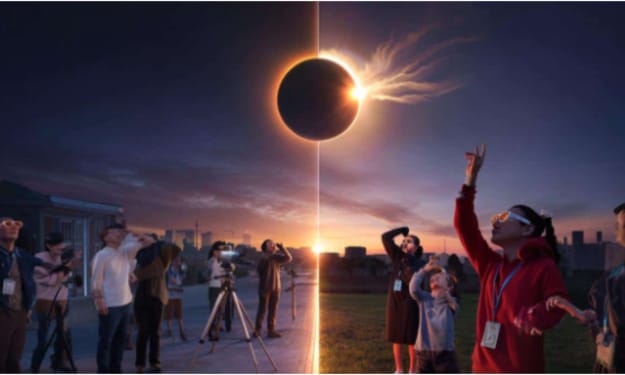
Scientists Celebrate Longest Solar Eclipse of the Century While Religious Leaders Call It a Dark Omen That Should Keep Children Indoors. AI-Generated.
The world witnessed one of the most extraordinary astronomical events of modern times today — the longest solar eclipse of the century. Across continents, skies darkened for several minutes as the Moon perfectly aligned with the Sun, creating a breathtaking spectacle that captivated scientists, photographers, and stargazers alike.
By Sajida Sikandar9 days ago in The Swamp
Starmer Pledges Crackdown on ‘Addictive Elements’ of Social Media. AI-Generated.
In a bold move that signals a tougher stance on Big Tech, UK Prime Minister Keir Starmer has pledged to take action against what he calls the “addictive elements” of social media platforms. His proposal focuses on curbing features that encourage excessive screen time, particularly among children and teenagers.
By Sajida Sikandar10 days ago in The Swamp
Baal on Fire, Iran’s Fiery Message to the West
1. A Revolutionary Anniversary with a Twist On February 11, 2026, tens of thousands of Iranians took part in state-organised rallies marking the 47th anniversary of Iran’s 1979 Islamic Revolution. These rallies — held nationwide in cities from Tehran to Isfahan — blended political chanting, patriotic slogans and symbolic acts meant to underline Iran’s resistance to perceived foreign enemies.
By USA daily update 11 days ago in The Swamp
Gold Holds Firm in Global & Local Markets as Silver Gains Momentum. AI-Generated.
In a week marked by market volatility, gold prices have remained remarkably steady across global and local markets, while silver has seen notable gains, catching the eye of investors and traders alike. With uncertainty in equities and currency fluctuations, precious metals continue to serve as key anchors for both investment and industrial demand.
By Aqib Hussain13 days ago in The Swamp
Intelligence by Deception: How Ukraine Turned a Fake Starlink Service Into a Battlefield Trap. AI-Generated.
In modern warfare, the battlefield is no longer limited to trenches, tanks, and artillery fire. Today, wars are fought in the digital shadows — through satellite networks, encrypted apps, cyber deception, and data manipulation. A recent operation by Ukrainian forces demonstrates just how powerful digital intelligence can be.
By Ayesha Lashari13 days ago in The Swamp
Skywatching in February 2026. AI-Generated.
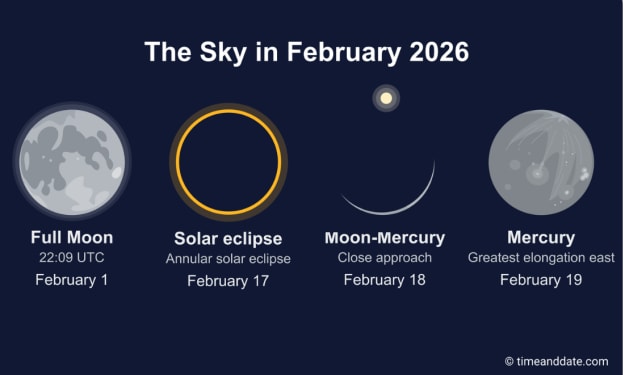
February 2026 offers skywatchers a dramatic blend of brilliant planets, deep-sky treasures, and crisp winter constellations. Long nights and cold, clear air make this one of the best months of the year to step outside and look up. Whether you’re an early riser catching planets before dawn or an evening observer scanning star clusters, this month’s sky promises memorable moments. Below is your complete guide to skywatching in February 2026. Brilliant Planets Light Up the Sky Venus Dazzles Before Sunrise The unmistakable glow of Venus dominates the predawn sky throughout February. Rising well before the Sun, Venus shines like a brilliant beacon in the east. Its steady, silvery light outshines every star and most planets, making it easy to spot even for beginners. With binoculars or a small telescope, observers may notice Venus displaying a distinct phase, similar to the Moon. As it orbits closer to Earth in its interior path around the Sun, its crescent shape becomes more pronounced. February mornings are an excellent time to appreciate this planetary transformation. Jupiter Reigns in the Evening High in the evening sky, Jupiter remains a dominant presence. As the largest planet in our solar system, Jupiter shines steadily and does not twinkle like nearby stars. Through a modest telescope, you can witness the planet’s cloud bands and possibly its four largest moons — Io, Europa, Ganymede, and Callisto — often called the Galilean moons after their discoverer, Galileo Galilei. Watching these moons shift position night after night adds a dynamic dimension to winter observing. Mars Adds a Reddish Glow The ruddy light of Mars continues to catch attention in February’s night sky. Though not as bright as during opposition, Mars is still easily visible to the naked eye. With a telescope, patient observers might detect subtle surface markings or the planet’s polar ice caps, depending on atmospheric conditions. Mars’ distinct orange hue makes it easy to identify among surrounding stars. The Splendor of Winter Constellations February evenings are prime time for the grand parade of winter constellations. Orion the Hunter The most recognizable constellation of the season is Orion. Its three evenly spaced belt stars form a straight line that serves as a celestial signpost. Below the belt lies the Orion Nebula, one of the most breathtaking deep-sky objects visible without advanced equipment. This stellar nursery appears as a faint, misty patch to the naked eye under dark skies and reveals intricate detail through binoculars or a telescope. Taurus and the Pleiades To the upper right of Orion sits Taurus, the Bull. Taurus hosts two famous star clusters. The first is the Hyades cluster, forming a V-shape that outlines the Bull’s face. The second is the stunning Pleiades, also known as the Seven Sisters. This compact cluster sparkles like a tiny dipper of diamonds and is best viewed through binoculars, which reveal dozens of stars. Gemini Shines Bright Nearby, Gemini rises prominently. Marked by the bright twin stars Castor and Pollux, Gemini is another zodiac constellation that commands attention on winter nights. Pollux, slightly brighter and more golden in color, makes an attractive contrast with its twin. A Glimpse of the Moon’s Phases February 2026 offers several striking lunar phases. The Full Moon, often called the Snow Moon in North America due to heavy winter snowfall, illuminates the sky mid-month. While bright moonlight can wash out faint stars, it also provides an excellent opportunity to explore lunar craters and mountain ranges with binoculars or a telescope. During the First Quarter and Last Quarter phases, shadows along the Moon’s terminator (the line dividing light and dark) enhance surface detail. These phases are ideal for close inspection of lunar features. Deep-Sky Delights for Dark Nights When the Moon is absent from the sky, February’s long nights reveal extraordinary deep-sky objects. The Orion Nebula remains the crown jewel, but other treasures await patient observers. The Beehive Cluster in Cancer and various galaxies in Leo begin climbing higher in the late evening, hinting at the approaching spring galaxy season. Even suburban observers can appreciate bright clusters and nebulae with binoculars. Rural skywatchers, however, will be rewarded with far richer detail and faint background stars invisible under city lights. Tips for Comfortable Winter Observing Skywatching in February requires preparation. Cold temperatures can quickly cut an observing session short if you’re not dressed properly. Wear multiple thermal layers. Use insulated gloves that still allow you to handle equipment. Bring a thermos of a warm drink. Allow telescopes time to acclimate to outdoor temperatures for clearer views. Red flashlights help preserve night vision while reading star charts. And remember — patience is key. The longer your eyes adjust to darkness, the more stars you’ll see. Why February Is Special for Stargazers February offers a unique balance: long nights like January but slightly milder conditions as spring approaches. The winter constellations remain in full display, while early hints of spring star patterns rise later in the evening. The crisp air often provides exceptional atmospheric clarity, making stars appear sharper and more brilliant. For photographers, this can mean improved opportunities to capture Orion, Taurus, and bright planetary conjunctions. Final Thoughts Skywatching in February 2026 combines dazzling planets, iconic constellations, and deep-sky wonders into one unforgettable month. From the radiant glow of Venus before sunrise to Jupiter’s commanding evening presence and Orion’s majestic stance overhead, the heavens offer something for every observer. Bundle up, step outside, and take a moment to reconnect with the cosmos. The winter sky is waiting — brilliant, vast, and full of stories written in starlight.
By Aqib Hussain13 days ago in The Swamp