travel
The best travel locations around the world for politics fans and history buffs to get an inside look into government buildings and political landmarks.
Lebanon’s Second Airport Could Receive Passengers by Summer, Officials Say. AI-Generated.
Lebanese officials have announced that the country’s long-awaited second commercial airport could begin receiving passenger flights by the summer, a development seen as both a practical boost to transportation and a symbolic step toward economic recovery after years of crisis. The airport, located in northern Lebanon near the coastal city of Tripoli, has been undergoing renovation and infrastructure upgrades aimed at easing pressure on the country’s only major international gateway, Beirut-Rafic Hariri International Airport. Officials say the project is in its final stages, with runways, passenger terminals, and security systems nearing readiness. A Strategic Alternative to Beirut For decades, Beirut’s airport has served as Lebanon’s sole hub for international travel, making it vulnerable to disruptions caused by political unrest, regional conflict, or technical failures. The opening of a second airport is expected to improve resilience and provide an alternative route for both civilian and humanitarian flights. A senior transport ministry official said the northern airport would initially handle a limited number of domestic and regional flights, with gradual expansion to international routes once operational stability is confirmed. “Our priority is safety and reliability. We want to ensure the airport meets international standards before opening fully to passengers,” the official said. Economic and Regional Impact Supporters of the project argue that the airport could become a catalyst for economic activity in northern Lebanon, a region that has long suffered from high unemployment and underinvestment. Local business leaders believe increased air traffic could boost tourism, encourage foreign investment, and create new jobs in aviation, hospitality, and logistics. Tripoli’s port and industrial zones are expected to benefit from improved connectivity, allowing the city to serve as a secondary gateway for trade and travel. Analysts note that this could help decentralize Lebanon’s economy, which has traditionally been concentrated around Beirut. “This is not just an airport project; it is a regional development strategy,” said an economist at a Beirut-based research institute. “If managed properly, it could bring long-term benefits to the north and reduce pressure on the capital.” Security and Political Considerations Security remains one of the main concerns surrounding the project. Lebanon’s volatile political environment and ongoing regional tensions have raised questions about whether the new airport can be adequately protected and managed. Officials insist that advanced screening systems and coordination with national security agencies will be in place before any commercial flights begin. The government has also emphasized that the airport will operate under full civilian authority, countering fears that it could become entangled in political or military disputes. International aviation bodies have reportedly been consulted to ensure compliance with safety and regulatory standards. Infrastructure Challenges Despite optimism, challenges remain. Lebanon’s financial crisis has severely limited public spending, forcing authorities to rely on international assistance and private partnerships to complete construction and modernization. Power supply, fuel availability, and staffing are additional hurdles that must be addressed before summer operations can begin. Engineers working on the site said that runway resurfacing and navigation equipment installation were among the most complex tasks. “We are racing against time, but progress has been steady,” one project manager said. “If funding continues and there are no major political disruptions, we can meet the target.” Relief for Travelers and Airlines Airlines have shown cautious interest in using the new airport, particularly for short-haul routes within the Middle East. Travel industry representatives say an alternative hub could help reduce congestion at Beirut’s airport, which often struggles with overcrowding during peak seasons and periods of political instability. For Lebanese citizens, the new airport could offer shorter travel times for those living in the north and provide reassurance that the country’s transport network is becoming more robust. “It’s about having options,” said a Tripoli resident who frequently travels for work. “If something happens in Beirut, at least we won’t be completely cut off from the world.” A Symbol of Recovery Beyond logistics, the airport project carries symbolic weight. Lebanon has endured years of economic collapse, the aftermath of the Beirut port explosion, and political paralysis. Opening a second airport would signal that at least some national infrastructure projects can move forward despite adversity. Officials caution that timelines remain tentative and dependent on final safety approvals. Still, the announcement has generated cautious hope among citizens and business leaders alike. “If this airport opens as planned, it will show that Lebanon is capable of rebuilding and adapting,” said a former aviation official. “It won’t solve all our problems, but it’s a step in the right direction.” As summer approaches, attention will focus on whether the country can meet its ambitious deadline and turn a long-discussed plan into a functioning gateway for passengers and commerce.
By Fiaz Ahmed a day ago in The Swamp
The Bizarre Story of the World’s First Floating Hotel. AI-Generated.
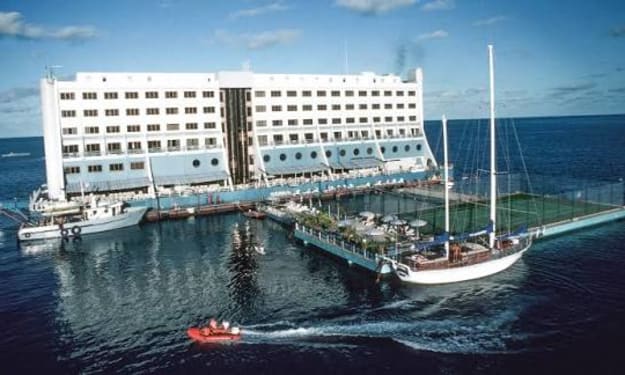
In the late 1980s, an ambitious idea promised to redefine luxury travel: a fully operational hotel floating directly on the ocean. Marketed as a revolutionary way to experience marine beauty without long boat trips, the project became the world’s first floating hotel—an engineering marvel whose fate would turn into one of the strangest journeys in modern tourism history. The structure was originally launched as the Four Seasons Barrier Reef, positioned near the Great Barrier Reef. Built in Singapore and towed thousands of kilometers to Australian waters in 1988, the hotel resembled a stationary cruise ship anchored above one of the planet’s most fragile ecosystems. It boasted nearly 200 luxury rooms, fine-dining restaurants, bars, a tennis court, and even an underwater viewing chamber that allowed guests to observe coral and fish without diving. The vision belonged to entrepreneur Doug Tarca, who believed travelers would pay a premium to sleep directly over the reef and wake to panoramic ocean views. A Bold Dream Meets Harsh Reality Before the hotel could even welcome its first guests, nature intervened. Cyclones damaged its mooring system and delayed its opening, pushing costs far beyond initial projections. By the time operations began, expenses had skyrocketed while reservations lagged behind expectations. Running a hotel at sea proved far more complicated than anticipated. Every meal, towel, and fuel delivery had to be transported by boat or helicopter. Waste management and freshwater supply became constant technical challenges. Saltwater corrosion rapidly increased maintenance costs, and rough weather frequently disrupted guest experiences. Although early visitors praised the novelty and scenery, the business model quickly collapsed. Within a year, the project declared bankruptcy. What was meant to be the future of tourism had become a financial disaster. A Second Life in Vietnam Rather than scrapping the structure, investors sold it to new owners who relocated it to Vietnam. Renamed the Saigon Floating Hotel, it was anchored along the Saigon River in Ho Chi Minh City. There, it found a surprising new purpose—not as a luxury resort, but as a nightlife destination. Its floating bars and clubs became popular with locals and foreign visitors alike. Neon lights replaced reef excursions, and the hotel became a symbol of novelty and excess during Vietnam’s economic opening in the 1990s. For several years, the floating hotel thrived as a social hotspot. But aging infrastructure, rising maintenance costs, and shifting political priorities eventually led to its decline once again. Final Journey to North Korea In the late 1990s, the structure was sold for a third time and towed across Asia to North Korea’s Mount Kumgang tourist zone. There, it was intended to host South Korean tourists as part of a rare cooperative venture between the two Koreas. For a brief period, the hotel served as a symbol of fragile diplomatic progress. But political tensions soon ended the tourism program, and the floating hotel was abandoned along the coastline. Left without maintenance, it rusted visibly year after year. In 2019, North Korean authorities reportedly condemned the building as outdated and unfit for modern tourism. Orders were given for it to be dismantled, bringing its strange global journey to an end. Why It Failed Experts say the project failed because it was decades ahead of its time. Environmental exposure, massive logistical demands, and the absence of modern offshore technology made the hotel economically unsustainable. Today’s floating structures benefit from advanced materials and automation that did not exist in the 1980s. “The concept was visionary,” said one maritime architect. “But the technology and business planning weren’t ready for the realities of operating a luxury facility in open water.” A Legacy of Ambition Though it never achieved long-term success, the world’s first floating hotel left an important legacy. It demonstrated humanity’s willingness to push architectural boundaries and inspired later experiments in floating resorts, offshore platforms, and even proposals for floating cities. Its story—spanning Australia, Vietnam, and North Korea—remains one of the most unusual chapters in modern travel history: a five-star dream that drifted across oceans and political systems before disappearing into legend. What began as a bold symbol of innovation ultimately became a cautionary tale of ambition colliding with nature, economics, and geopolitics.
By Fiaz Ahmed 4 days ago in The Swamp
Goodbye Portugal: French Retirees Are Now Turning to This Atlantic Coast Town, a “New Haven of Peace”. AI-Generated.
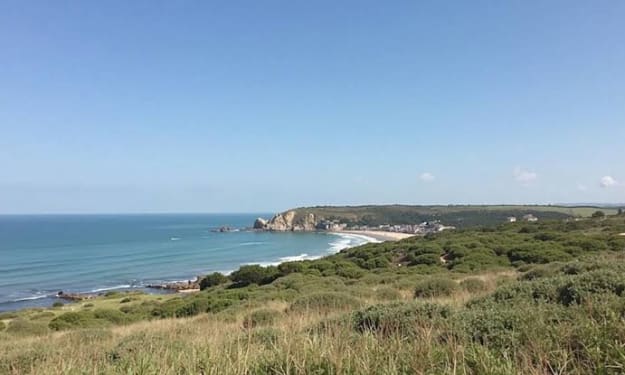
As Portugal’s popularity among retirees continues to grow, a new trend is emerging: French retirees are increasingly turning their sights northward, settling in a quieter Atlantic coast town in France that promises a slower pace of life, affordable living, and breathtaking coastal views. Locals and expats alike are calling it a “new haven of peace” for those seeking comfort, community, and natural beauty in their golden years. The town, located along France’s Nouvelle-Aquitaine coastline, offers a blend of serene beaches, rolling dunes, and historic architecture. For retirees looking to leave behind the crowds and high property prices of southern Portugal, this region represents a compelling alternative. Local real estate agents report a notable uptick in inquiries from French citizens over the past two years, many of whom are drawn by the combination of tranquil surroundings and a strong expat network. Why Retirees Are Moving Several factors are fueling this migration. The cost of living in Portugal has been rising steadily, particularly in coastal regions popular with foreign retirees. Housing prices, property taxes, and everyday expenses have climbed, prompting many to look for more affordable options closer to home. In contrast, this Atlantic coast town offers lower property prices compared to Portugal’s hotspots, while still providing a high quality of life. Residences range from traditional stone houses to modern apartments with sea views, catering to a variety of budgets. Health services, public transportation, and recreational facilities are also well developed, making it an attractive destination for seniors seeking convenience alongside tranquility. “Here, we wake up to the sound of the ocean, enjoy local markets, and still feel connected to the community,” said Jean-Luc Martin, a retired teacher who relocated from Lisbon last year. “It’s peaceful, but we’re not isolated. Everything we need is within reach.” A Strong Expat Community One of the town’s key draws is its growing French expat community, which provides social connections and support for newcomers. Cafés, cultural centers, and hobby clubs have emerged to cater specifically to retirees, offering opportunities to meet like-minded individuals and build friendships quickly. Local authorities have recognized the benefits of this influx, noting that retirees contribute positively to the economy through housing investments, local shopping, and participation in community events. Cultural exchanges and volunteer activities have also strengthened ties between French newcomers and long-standing residents, creating a welcoming and vibrant environment. Lifestyle and Leisure The town’s appeal goes beyond practical considerations. Retirees enjoy access to walking trails along the coastline, cycling paths through pine forests, and beaches that remain largely uncrowded even in summer. Culinary experiences, including seafood markets and regional wine tasting, enrich daily life. Seasonal festivals and local artisans provide opportunities for cultural immersion, allowing residents to feel fully integrated into the rhythm of the community. For those seeking peace and security without sacrificing the pleasures of coastal living, this town offers the ideal balance. Retirees can maintain an active lifestyle while also enjoying quiet afternoons by the Atlantic, reading, painting, or strolling along the dunes. Looking Ahead Experts predict that the trend of French retirees choosing quieter domestic coastal towns over overseas destinations will continue. Factors such as proximity to family, healthcare accessibility, and stability in property laws are increasingly important, particularly for seniors concerned about long-term residency and healthcare support. Local planners are preparing for modest growth, ensuring that infrastructure can support new residents without altering the town’s tranquil character. Real estate developers are responding carefully, focusing on sustainable development and preserving green spaces. Conclusion For French retirees weary of rising costs and overcrowding in Portugal, this Atlantic coast town represents a fresh start in a peaceful setting. With scenic beaches, affordable housing, and a welcoming expat network, it has become a “new haven of peace” for those seeking to enjoy their retirement years with comfort, community, and connection to nature.
By Fiaz Ahmed 5 days ago in The Swamp
State Department Warns Americans of ‘Extremely Dangerous’ Avalanche Conditions Across Europe. AI-Generated.
The U.S. State Department has issued an urgent travel advisory for Americans planning to visit Europe this winter, warning that unusually heavy snowfall and volatile weather patterns are creating “extremely dangerous” avalanche conditions in multiple alpine regions. Officials stressed that travelers should exercise extreme caution, monitor local advisories, and avoid high-risk areas unless properly trained and equipped. High-Risk Regions According to the advisory, countries particularly affected include France, Switzerland, Austria, and parts of Italy. Ski resorts, alpine passes, and remote mountainous regions have experienced record snowfalls over the past several weeks, dramatically increasing avalanche risk. The department specifically noted that backcountry areas, unpatrolled slopes, and off-piste routes are extremely hazardous. Even experienced mountaineers and skiers face significant risk due to unstable snowpack, unpredictable weather, and rapidly changing conditions. “The combination of recent heavy snow, wind accumulation, and fluctuating temperatures has created layers in the snowpack that are prone to collapse,” said a State Department spokesperson. “Avalanches can occur without warning, making travel in these areas extremely dangerous.” Recommendations for Travelers The advisory outlines several precautions for Americans traveling to Europe during this period: Avoid off-piste skiing or mountaineering unless part of an organized, professional expedition with safety equipment. Check local avalanche forecasts and weather updates daily. Carry appropriate safety gear, including transceivers, shovels, and probes if venturing into snowy terrain. Notify local authorities or resort staff of planned excursions in high-risk areas. Consider postponing travel to mountainous regions until conditions stabilize. The State Department emphasized that the advisory applies not only to winter sports enthusiasts but also to hikers, climbers, and motorists who may encounter avalanche-prone areas. Roads through alpine passes can be blocked or damaged by snow slides, and some villages in remote regions may be temporarily isolated. Regional Authorities Respond European authorities have ramped up warnings and safety measures in response to the snow conditions. In France and Switzerland, avalanche alerts have reached the highest levels in several regions, prompting temporary closures of ski lifts and mountain roads. Austrian officials have deployed additional rescue teams and patrolled popular backcountry areas to monitor snow stability. Meteorologists report that while temperatures are fluctuating across the continent, the current snowpack is particularly vulnerable due to layers of ice and powder accumulation. Experts warn that even minor disturbances, such as wind gusts or small tremors, could trigger significant avalanches. Growing Concerns About Climate and Safety While extreme snowfall can create prime conditions for winter sports, climate researchers note that unpredictable weather and rapid accumulation of snow in some areas have amplified risks. Officials warn that travelers should not underestimate the danger, even in familiar resorts. The advisory also highlights the importance of emergency preparedness, urging travelers to have contingency plans, secure accommodations, and clear communication options in case of isolation or natural disasters. Looking Ahead With forecasts predicting continued snowfall over the next several days in multiple alpine regions, the State Department has urged Americans to remain vigilant. Travelers are advised to maintain situational awareness, respect local safety instructions, and avoid unnecessary exposure to high-risk terrain. As winter progresses, authorities across Europe are expected to continue monitoring avalanche risk closely, implementing preventive measures, and issuing updated warnings. For Americans planning vacations in the Alps or other mountainous regions, vigilance and caution remain essential to ensure safety.
By Fiaz Ahmed 6 days ago in The Swamp
The Protection-of-Innocence Reciprocity Doctrine. AI-Generated.
Core Moral Premise The highest duty of any legitimate social order is the protection of innocent life. Innocent life has absolute moral primacy. Any system that systematically insulates predators, tolerates predatory asymmetry, rewards hypocrisy, or allows aggressors to retain insulation has inverted its purpose and forfeited legitimacy. Truth, justice, reciprocity, humility, mercy, forgiveness, and vertical accountability are structural necessities rather than optional virtues. Vertical accountability means recognition of and submission to a moral law higher than oneself. Authority must flow toward those who most consistently demonstrate sustained competence in moral and epistemic discipline. This competence is shown through observable conduct and trajectory over time, not through doctrinal label, tribal identity, credential alone, or self-profession.
By Peter Thwing - Host of the FST Podcast7 days ago in The Swamp
From Boom to Burden: How Overtourism Hit European Cities. AI-Generated.
For decades, Europe’s historic cities thrived on tourism, drawing millions of visitors with their architecture, culture, and culinary heritage. Cities like Venice, Barcelona, and Amsterdam became global icons, celebrated for their charm and vibrant streets. But in recent years, the very influx that fueled economic growth has turned into a burden, sparking debates about sustainability, quality of life, and urban resilience. The Rise of Mass Tourism The rise of low-cost airlines, online booking platforms, and the explosion of social media has made European cities more accessible than ever. According to the European Travel Commission, international arrivals to major European cities grew by over 50% in the last decade before the pandemic. Visitors flocked to cultural landmarks, historic districts, and local markets, bringing economic benefits to hotels, restaurants, and service industries. In Venice, for example, the city welcomed more than 20 million visitors annually, compared to a resident population of just 260,000. Barcelona faced similar pressures, with narrow streets and historic neighborhoods inundated by tourists, leading to friction between locals and visitors. Amsterdam reported overcrowding in museums and public transport, with some neighborhoods experiencing daily foot traffic far beyond capacity. Economic Gains and Hidden Costs Tourism has unquestionably fueled European economies, providing jobs and stimulating small businesses. Cities leveraged visitor spending to renovate infrastructure and preserve heritage sites. The local economy of Venice, for instance, relies heavily on ticketed attractions, cruises, and souvenir sales, while Barcelona’s hospitality sector employs thousands. Yet the benefits came with hidden costs. Housing markets have been distorted as short-term rental platforms like Airbnb encouraged landlords to convert apartments into tourist accommodations, pushing locals out. Public services, sanitation, and transportation systems have been stretched to breaking point, while everyday residents struggle with noise, litter, and congestion. Environmental damage is another concern. Heavy foot traffic accelerates wear on historic structures, and coastal cities like Venice face erosion and rising flood risks intensified by cruise ship emissions. Air pollution and carbon footprints have increased, raising questions about the long-term sustainability of mass tourism. Policy Responses and Pushback Local governments have begun to respond. Venice has introduced daily visitor limits and new ticketing systems for popular attractions. Barcelona imposed restrictions on short-term rentals and launched campaigns urging tourists to respect residential neighborhoods. Amsterdam has promoted less crowded cultural sites and encouraged off-peak travel. However, enforcement remains a challenge. Many cities rely on voluntary compliance, and the pressure to maintain revenue streams can conflict with measures aimed at reducing tourist numbers. Social tensions persist, with residents protesting in public squares and online forums, demanding that tourism be managed rather than left unchecked. Lessons for Urban Tourism Experts argue that Europe’s overtourism crisis provides a cautionary tale for global cities. Sustainable tourism policies, equitable distribution of visitors, and investment in local infrastructure are essential. Digital tracking, advance booking systems, and differential pricing can help manage visitor flow while preserving city life. Additionally, cities are increasingly looking at community-led tourism, where local stakeholders have a say in how neighborhoods are used and how cultural heritage is shared with visitors. Balancing economic gain with livability has become the defining challenge of urban tourism policy. The Road Ahead While the pandemic temporarily reduced visitor numbers, the rebound in travel has reignited pressures on European cities. Authorities now face the dual challenge of revitalizing economies dependent on tourism while mitigating the social, environmental, and cultural costs of mass visitation. The story of Europe’s overtourism is one of transformation — from boom to burden. As cities chart their futures, the lesson is clear: unchecked tourism may yield short-term prosperity, but without thoughtful management, it risks undermining the very attractions that drew visitors in the first place.
By Fiaz Ahmed 8 days ago in The Swamp
Hundred-Year Reveal: Catalonian Chalet Confirmed as Gaudí Work in Centenary Year. AI-Generated.
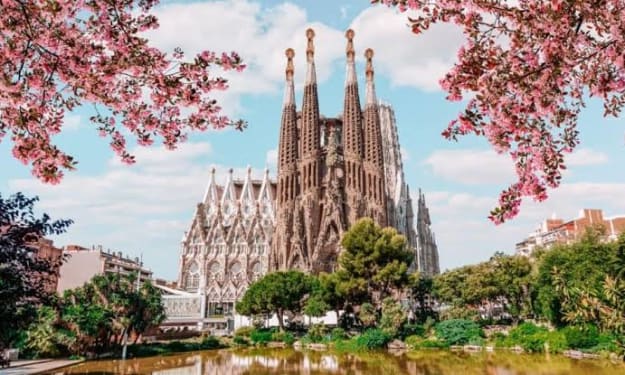
A Catalonian chalet long admired for its whimsical architecture has been officially confirmed as the work of legendary architect Antoni Gaudí, almost a century after it was first built. Experts announced the discovery in 2026, coinciding with the centenary of the architect’s death, offering a remarkable new insight into the early phases of Gaudí’s creative journey. Architectural Confirmation The chalet, located in a quiet corner of Catalonia, had been previously attributed to an anonymous designer, though its organic forms, curved lines, and intricate detailing suggested a Gaudí influence. After extensive archival research, structural analysis, and stylistic comparison, historians confirmed the chalet’s provenance as part of Gaudí’s oeuvre. “The evidence is overwhelming,” said Dr. Marta Puig, a Gaudí scholar who led the investigation. “From the fluid forms in the roofline to the mosaic ornamentation, every element aligns with his early style. This chalet offers a unique window into the evolution of his architectural language.” The structure features signature elements of Gaudí’s work, including undulating facades, intricate ironwork, and a playful integration of natural motifs. Unlike his more famous public works such as Sagrada Familia or Park Güell, this private residence reflects a period when Gaudí was experimenting with forms and materials, blending Catalan Modernism with organic inspiration drawn from the surrounding landscape. Historical Context Built in 1926, the chalet coincided with a period of intense experimentation for Gaudí, who was exploring residential design alongside his monumental projects in Barcelona. The discovery sheds light on his work outside the city, revealing how he adapted his visionary ideas to more intimate, domestic environments. Local historians note that the chalet was commissioned by a wealthy Catalonian industrialist who had close ties to the Barcelona artistic community. Original sketches, recently uncovered in private archives, show Gaudí’s hand in every detail—from the distinctive roof curves to the sculptural chimneys. “This finding allows us to trace the dialogue between Gaudí and his patrons,” said architectural historian Josep Riera. “It illustrates the degree of creative freedom he enjoyed and the boldness of his design choices even in private commissions.” Cultural Significance The confirmation has been met with excitement in Catalonia and beyond. Cultural authorities are considering the chalet for heritage protection, ensuring it is preserved as part of Gaudí’s legacy. Tours and educational programs may be developed to allow the public to experience a lesser-known facet of the architect’s work. “This is more than a building,” said Puig. “It is a piece of living history that connects us to Gaudí’s imagination, almost a hundred years later.” The centenary year amplifies the significance, providing a symbolic moment for reflection on the breadth of his contributions to modern architecture. Challenges and Preservation Despite the jubilation, experts caution that the chalet requires careful conservation. Time and exposure to the elements have caused deterioration in some of the decorative elements. Conservationists recommend immediate stabilization measures, including restoration of mosaic tiles and reinforcement of structural elements, to protect it from further decay. The revelation also raises questions about other overlooked Gaudí works in the region. Scholars hope that similar archival research could uncover additional early projects, further enriching the understanding of the architect’s development. Legacy and Public Engagement The chalet will likely become a focal point for cultural tourism in Catalonia, alongside Gaudí’s more famous landmarks. Local authorities emphasize that any public access will be carefully managed to balance tourism with preservation, ensuring the site remains intact for future generations. “This centenary discovery reminds us that Gaudí’s influence extends far beyond his iconic city landmarks,” said Riera. “Every curve, every detail carries a story, and now we have a new story to share with the world.” Conclusion Almost a hundred years after its construction, the chalet’s confirmation as a Gaudí masterpiece represents a remarkable addition to the architect’s body of work. The centenary of his death provides a poignant backdrop for this revelation, highlighting both the enduring legacy of Gaudí and the continued fascination with his innovative, organic vision. Preservation efforts and public engagement will ensure that this newly recognized treasure continues to inspire architects, historians, and visitors for decades to come.
By Fiaz Ahmed 8 days ago in The Swamp
Mapped: Every Continent Ranked by Number of Countries. AI-Generated.
When we look at a world map, it often feels orderly and balanced. Continents appear neatly divided into nations, each with defined borders and identities. But beneath that visual simplicity lies a fascinating imbalance: some continents contain dozens of independent countries, while others have only a handful—or none at all.
By Sajida Sikandar12 days ago in The Swamp
United Kingdom Joins Norway, Italy, Iceland, Switzerland, France, and More European Countries in Taking a Stand on Sustainable Tourism with New Levies, Cruise Taxes, and Stay Limits. AI-Generated.
Travel in Europe is entering a new chapter—one where sustainability is no longer just a buzzword but a policy priority. From bustling historic cities to fragile natural landscapes, destinations are struggling with the effects of overtourism. Now, governments are responding with new visitor levies, cruise taxes, and stay limits designed to protect communities and preserve the environments that make Europe so desirable in the first place.
By Sajida Sikandar12 days ago in The Swamp
Emirates to End Algiers Flights, Final Service Set for February 2027. AI-Generated.
Dubai-based airline Emirates has announced it will discontinue its passenger services to Algiers, with the final scheduled flight set to operate in February 2027. The decision marks the end of more than two decades of air connectivity between the Gulf carrier and Algeria’s capital, reflecting broader strategic adjustments within the airline’s global network. The carrier confirmed that the move follows an extensive review of route performance and future operational priorities. While Emirates did not provide a single reason for the withdrawal, company officials cited a combination of commercial challenges, fleet planning considerations, and shifting demand patterns across Africa and Europe. Longstanding Route Comes to an End Emirates launched flights to Algiers in the early 2000s as part of its rapid expansion into North Africa. The route has served both business and leisure travelers, as well as a large Algerian diaspora connecting through Dubai to destinations in Asia, Australia, and the Americas. Over the years, the airline adjusted frequencies and aircraft types in response to fluctuating demand. At its peak, the route operated daily services using wide-body aircraft, offering onward connections through Dubai’s global hub. However, industry analysts note that North African routes have become increasingly competitive, with European and regional carriers expanding their presence while economic pressures have affected passenger volumes. Strategic Network Realignment In a statement, Emirates said the decision forms part of a wider effort to optimize its route network and allocate aircraft to markets with stronger long-term growth potential. “Our network planning is constantly under review to ensure we deploy capacity where it best serves customer demand and operational efficiency,” the airline said. “We remain committed to Africa as a key market, but adjustments are necessary as conditions evolve.” The airline has recently expanded services to several Asian and European cities, while also increasing frequencies on high-performing long-haul routes. The gradual phase-out of the Algiers service over the next two years is intended to give passengers and partners time to adapt. Impact on Travelers and Trade The withdrawal will affect both leisure travelers and businesses that rely on Emirates’ global network for cargo and passenger connections. Algeria has maintained strong trade links with the Middle East and Asia, particularly in the energy sector, and the Dubai hub has served as an important transit point. Travel agents in Algiers expressed concern that fewer long-haul options could lead to higher ticket prices and longer travel times for passengers heading to Asia-Pacific destinations. “This route provided convenient one-stop connections,” said one local travel consultant. “Its closure will push many travelers toward European hubs instead.” Emirates confirmed that customers holding tickets beyond February 2027 will be rebooked on alternative routes or offered refunds in line with its standard policy. Political and Economic Context The airline industry has faced mounting pressures from rising fuel costs, currency fluctuations, and regional regulatory challenges. Algeria’s aviation market has also been affected by economic reforms and shifts in tourism flows following the pandemic years. Some aviation experts believe bilateral air service agreements and airport infrastructure constraints may also have played a role in the decision. “Operating long-haul flights profitably requires not only demand but supportive policy frameworks and cost stability,” said an aviation analyst based in the Gulf. “Airlines are becoming more selective about where they invest capacity.” Future of Emirates in Africa Despite the Algiers decision, Emirates reiterated its commitment to the African continent, where it currently serves more than 20 destinations. The airline has recently strengthened partnerships with regional carriers and invested in cargo operations to support African exports. Executives hinted that resources freed up from underperforming routes could be redirected to emerging markets with stronger tourism and business prospects. “Our focus is on sustainable growth,” the company said. “We will continue to explore opportunities in Africa where demand aligns with our network strategy.” Looking Ahead With nearly two years remaining before the final flight, Emirates plans to maintain normal operations on the Algiers route while working with authorities and travel partners to manage the transition smoothly. For many travelers, the end of the route will mark the close of a long chapter in air travel between Algeria and the Gulf. While the airline’s global footprint continues to expand elsewhere, the decision underscores how even long-established routes are subject to change in an industry shaped by economics, competition, and shifting passenger demand. As February 2027 approaches, passengers and businesses alike will be watching to see whether other carriers step in to fill the gap left by one of the world’s largest airlines.
By Fiaz Ahmed 13 days ago in The Swamp
Train-sylvania! My Family Rail Adventure Through the Heart of Romania. AI-Generated.
There’s something magical about seeing a country by train—especially when that country is Romania, where medieval towns rise from misty valleys and mountains roll endlessly beyond the horizon. When my family decided to explore Transylvania by rail, we didn’t just plan a vacation. We planned an adventure. And what unfolded was a slow-travel experience filled with castles, cobblestone streets, and the gentle rhythm of steel wheels on tracks.
By Aqib Hussain14 days ago in The Swamp