
How Fintech Is Reshaping Digital Banking and the Global Financial Ecosystem
The Future of Digital Banking: How Fintech Is Transforming Payments, Security, and Financial Innovation
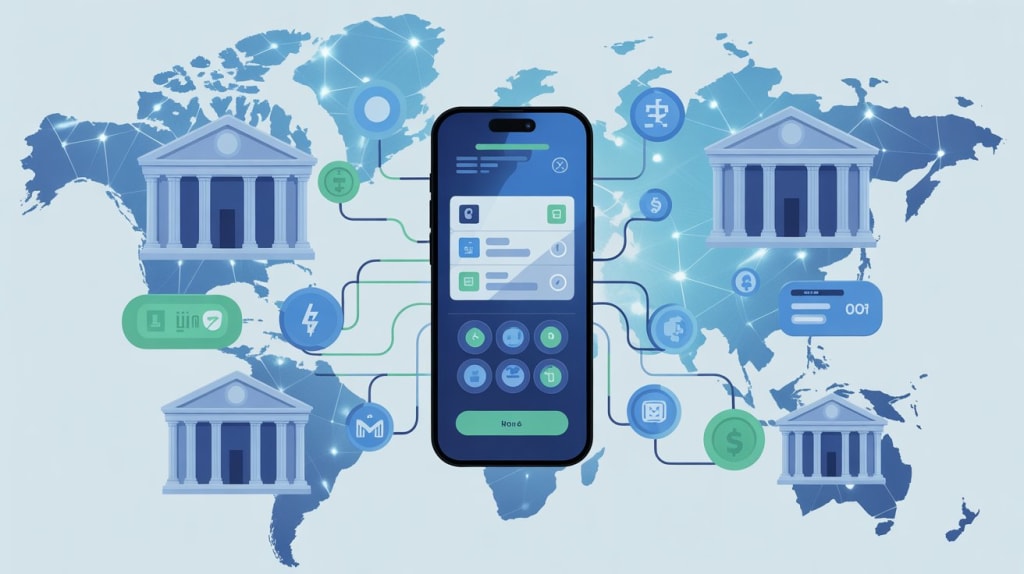
The financial industry has entered a new era where technology plays a central role in delivering banking services. Financial technology, commonly referred to as fintech, has rapidly reshaped how financial institutions operate and how consumers interact with money. Over the past decade, fintech innovations have transformed traditional banking models by introducing digital platforms, automated financial tools, and secure payment systems that make financial services faster and more accessible.
Today, digital banking is no longer limited to checking balances or transferring money online. Fintech companies and modern banks are building comprehensive digital ecosystems where customers can manage investments, apply for loans, send international payments, and monitor financial health from a single mobile application. This transformation is creating a more connected financial environment where technology improves both efficiency and customer experience.
As fintech continues to evolve, it is playing a crucial role in shaping the future of digital banking and redefining the global financial landscape.
The Evolution of Banking in the Digital Economy
Banking has evolved significantly over the past few decades. Traditionally, banking services were built around physical infrastructure such as branch offices and manual documentation. Customers had to visit banks for most financial transactions, including account openings, money transfers, and loan applications.
The first major shift occurred with the introduction of online banking platforms. These systems allowed customers to access their accounts through websites and perform basic transactions without visiting a branch. However, the digital transformation accelerated rapidly with the growth of smartphones and high-speed internet connectivity.
Today, financial institutions are moving toward fully digital banking systems where nearly every service can be completed through mobile apps or online platforms.
Growth of Mobile Banking Platforms
Mobile banking applications have become the backbone of modern digital banking. These applications allow users to access banking services anytime and anywhere.
Modern mobile banking platforms provide a wide range of features such as real-time transaction alerts, automated budgeting tools, digital payments, and investment management services. Many banks also offer integrated financial dashboards that help users track their spending habits and manage their financial goals more effectively.
The widespread adoption of mobile banking has significantly changed customer expectations. Consumers now demand instant financial services, seamless digital experiences, and secure online transactions.
Emergence of Neobanks
Another important development in digital banking is the rise of neobanks. Neobanks are fully digital financial institutions that operate without physical branches. These banks rely entirely on mobile apps and online platforms to deliver banking services.
Neobanks often focus on providing user-friendly interfaces, lower fees, and faster financial services compared to traditional banks. By leveraging advanced technologies such as cloud computing and data analytics, neobanks can offer personalized financial services while maintaining lower operational costs.
The growth of neobanks is increasing competition within the banking sector and encouraging traditional financial institutions to accelerate their digital transformation efforts.
Digital Payments and the Shift Toward Cashless Economies
One of the most noticeable impacts of fintech is the transformation of payment systems. Digital payments have become an essential part of everyday financial transactions, enabling consumers and businesses to transfer money quickly and securely.
Payment technologies have evolved beyond traditional debit and credit card transactions. Consumers now have access to a variety of digital payment options including mobile wallets, QR code payments, and peer-to-peer payment applications.
These technologies allow individuals to complete transactions within seconds, making financial interactions more efficient and convenient.
Mobile Wallet Ecosystems
Mobile wallets have gained widespread popularity in recent years. Applications such as Apple Pay, Google Pay, and PayPal allow users to store payment information securely on their smartphones and make transactions with a simple tap or scan.
Mobile wallets also integrate additional financial services such as loyalty programs, digital tickets, and financial tracking tools. This integration creates a seamless digital payment experience for users.
In many developing regions, mobile wallet platforms have played a significant role in expanding access to financial services for individuals who previously lacked traditional bank accounts.
Payment Gateways and Global Commerce
For businesses, fintech-powered payment gateways have simplified the process of accepting payments from customers worldwide. Platforms such as Stripe and Square allow companies to process online payments securely while managing transaction data and financial records.
These payment infrastructures enable businesses to expand into global markets while maintaining secure and efficient payment processing systems.
Financial analysts and industry professionals often follow trusted financial platforms such as Thefintechzoom.it.com to stay informed about technological developments in digital payments, financial innovation, and emerging trends in the fintech ecosystem.
Artificial Intelligence and Data-Driven Financial Services
Artificial intelligence has become one of the most transformative technologies within the fintech industry. Financial institutions use AI-powered systems to analyze financial data, automate operations, and deliver more personalized financial services.
By processing large volumes of data in real time, AI systems help financial institutions make faster and more accurate decisions.
AI in Fraud Detection and Security
Fraud detection is one of the most critical applications of artificial intelligence in finance. AI systems continuously monitor financial transactions and identify suspicious patterns that may indicate fraudulent activity.
Machine learning algorithms improve fraud detection accuracy over time by learning from past transaction data. This allows banks to respond quickly to potential security threats and protect customer accounts.
AI-Powered Customer Experience
Artificial intelligence also improves customer service within digital banking platforms. AI chatbots and virtual assistants provide instant support by answering customer inquiries, guiding users through financial processes, and resolving common issues.
These systems help financial institutions provide round-the-clock customer service while reducing operational costs.
Intelligent Financial Advisory Services
Some fintech platforms are using artificial intelligence to create robo-advisors that provide automated investment advice. These digital advisory tools analyze financial goals, risk tolerance, and market conditions to recommend personalized investment strategies.
Robo-advisors are making investment services more accessible to a broader range of individuals who may not have access to traditional financial advisors.
Blockchain Technology and Financial Transparency
Blockchain technology has become an important foundation for many fintech innovations. A blockchain is a decentralized digital ledger that records transactions across a distributed network of computers.
This structure ensures that financial records are transparent, secure, and difficult to manipulate.
Cross-Border Transactions
Traditional international money transfers often involve multiple financial intermediaries and long processing times. Blockchain technology enables faster and more cost-effective cross-border transactions by removing many of these intermediaries.
Blockchain-based payment systems can process international transfers within minutes rather than days.
Smart Contracts and Automated Financial Agreements
Smart contracts are self-executing agreements stored on blockchain networks. These contracts automatically perform transactions when predefined conditions are met.
Smart contracts are increasingly used in industries such as insurance, trade finance, and asset management because they reduce administrative complexity and increase transaction transparency.
Growth of Decentralized Finance
Decentralized finance, commonly known as DeFi, represents another major fintech innovation built on blockchain technology. DeFi platforms allow users to access financial services such as lending, borrowing, and trading without relying on traditional banks.
Although still in its early stages, decentralized finance has the potential to significantly reshape the global financial system.
Financial Inclusion and Digital Accessibility
Fintech has made significant progress in addressing one of the long-standing challenges of the financial industry: financial exclusion.
Millions of individuals around the world have historically lacked access to basic banking services due to geographic barriers or strict banking requirements. Fintech platforms are helping overcome these barriers by providing digital financial services accessible through smartphones.
Mobile Financial Services in Developing Markets
In many emerging economies, mobile financial services have enabled individuals to participate in the formal financial system for the first time. These platforms allow users to open accounts, send money, and manage savings without visiting a bank branch.
This accessibility has helped small businesses and entrepreneurs access financial tools that support economic growth and financial stability.
Digital Tools for Small Businesses
Fintech companies also provide valuable tools for entrepreneurs and small businesses. Cloud-based accounting software, digital invoicing systems, and automated payment processors simplify financial management and reduce administrative burdens.
These tools allow businesses to operate more efficiently while improving financial transparency.
Cybersecurity and Trust in Digital Finance
As financial services become increasingly digital, cybersecurity has become a critical component of fintech innovation. Protecting sensitive financial data is essential for maintaining trust between financial institutions and their customers.
Banks and fintech companies invest heavily in advanced cybersecurity technologies to safeguard digital banking platforms.
Advanced Security Technologies
Modern digital banking platforms rely on encryption protocols, biometric authentication systems, and multi-factor authentication methods to secure financial transactions.
Biometric verification technologies such as fingerprint scanning and facial recognition provide an additional layer of protection for digital banking accounts.
Building Customer Awareness
Financial institutions also focus on educating customers about cybersecurity best practices. Encouraging users to create strong passwords, monitor account activity, and avoid suspicious online behavior helps reduce the risk of cyber attacks.
A strong cybersecurity framework is essential for the long-term success of digital financial services.
Emerging Trends Shaping the Future of Digital Banking
The fintech industry continues to evolve as new technologies and financial models emerge. Several key trends are expected to influence the next generation of digital banking services.
Open Banking Ecosystems
Open banking allows financial institutions to share customer financial data securely with authorized third-party providers through application programming interfaces. This system encourages innovation by allowing fintech companies to build new financial products and services on top of existing banking infrastructure.
Embedded Finance
Embedded finance integrates financial services directly into non-financial platforms such as e-commerce websites and mobile applications. This allows users to access financial services seamlessly while using other digital platforms.
For example, online marketplaces may offer instant financing options during the checkout process.
Hyper-Personalized Banking Experiences
Advanced data analytics and artificial intelligence are enabling financial institutions to offer highly personalized financial services. Digital banking platforms can analyze user behavior to provide customized financial recommendations, budgeting advice, and investment strategies.
Personalization will likely become a key competitive advantage in the future of digital banking.
Conclusion
Fintech has fundamentally transformed the financial industry by integrating advanced technologies into traditional banking systems. Innovations such as artificial intelligence, blockchain, mobile payments, and cloud-based platforms have created a more efficient and accessible financial ecosystem.
Digital banking services now provide faster transactions, improved financial management tools, and greater financial inclusion for individuals and businesses worldwide.
As fintech continues to advance, the future of banking will become increasingly digital, intelligent, and interconnected. Financial institutions that embrace technological innovation will be better positioned to deliver secure, personalized, and efficient financial services in the evolving global economy.
About the Creator
Backlinks Cart
Mohsin (CEO BacklinksCart Agency).
Check Our Agency Backlinks Platfrom " Backlinkscart.com"
For any edits or link insertions. Whatsapp" +92 309-1821105"
Gmail: [email protected]
Keep reading
More stories from Backlinks Cart and writers in Trader and other communities.
How Technology Is Reshaping the Global Financial System
The global financial system has entered a period of rapid technological transformation. Over the last two decades, advances in digital infrastructure, artificial intelligence, blockchain networks, and data analytics have changed the way financial institutions operate and how individuals interact with financial services. What once required multiple intermediaries, physical documentation, and slow processing times can now be completed within seconds through digital platforms.
By Backlinks Cartabout 3 hours ago in Trader
Fundus Camera Market Size & Forecast 2026–2034
The global Fundus Camera Market is poised for steady expansion over the next decade. According to Renub Research, the market is projected to grow from US$ 493 Million in 2025 to US$ 828.68 Million by 2034, registering a CAGR of 5.94% during the forecast period 2026–2034.
By Sakshi Sharma7 days ago in Trader
Bayer Share Price Trends: Is Now the Right Time to Invest?
The bayer share price has been moving in ways that are attracting attention from investors. Many are asking whether now is the right time to buy, or if caution is better. Watching the bayer share price trends closely can help investors make smarter choices. They look at the bayer share price trends in simple, clear language. We explore both opportunities and risks so readers can understand the full picture before making decisions.
By John.doe7984 days ago in Trader
The BAFTA Awards
By now, in a stunning departure from recent years, most of the world is aware of what happened at the BAFTA film awards. Social Media Headlines will tell you the bare bones: that John Davidson, a Tourette's Syndrome advocate, shouted a racial slur at two Actors of Colour, Michael B Jordan and Delroy Lindo.
By Natasja Rose3 days ago in Psyche


Comments
There are no comments for this story
Be the first to respond and start the conversation.